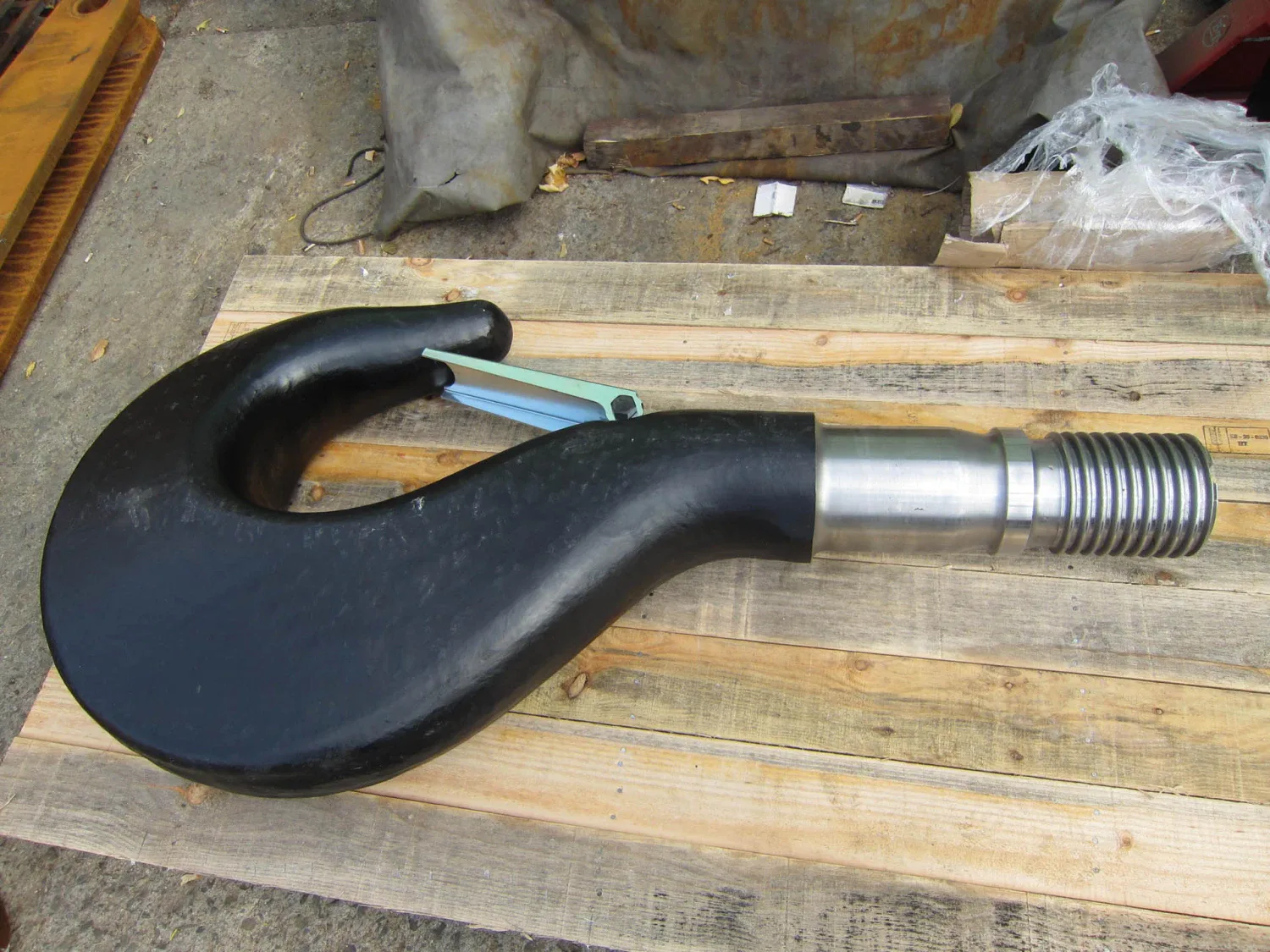
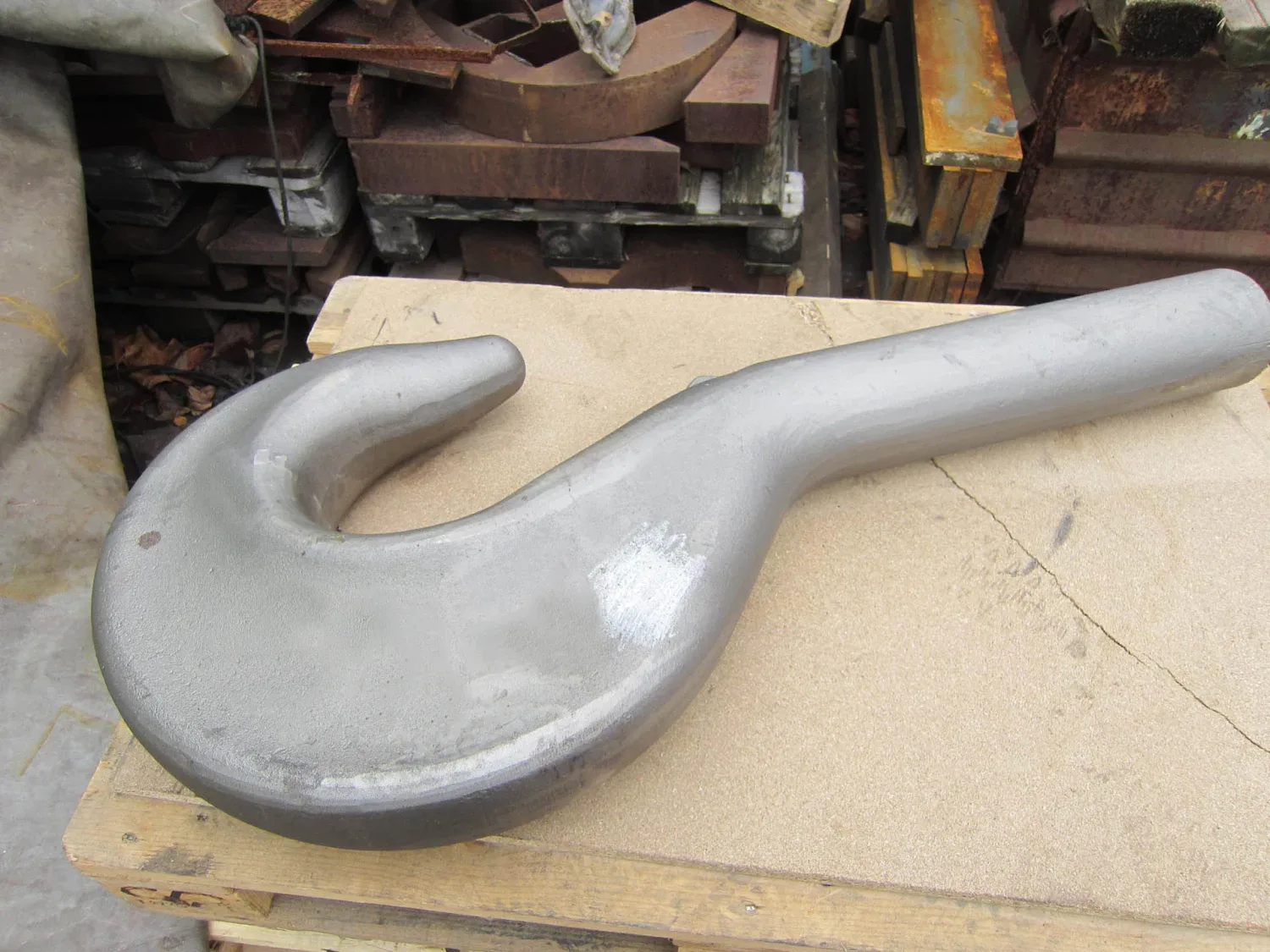
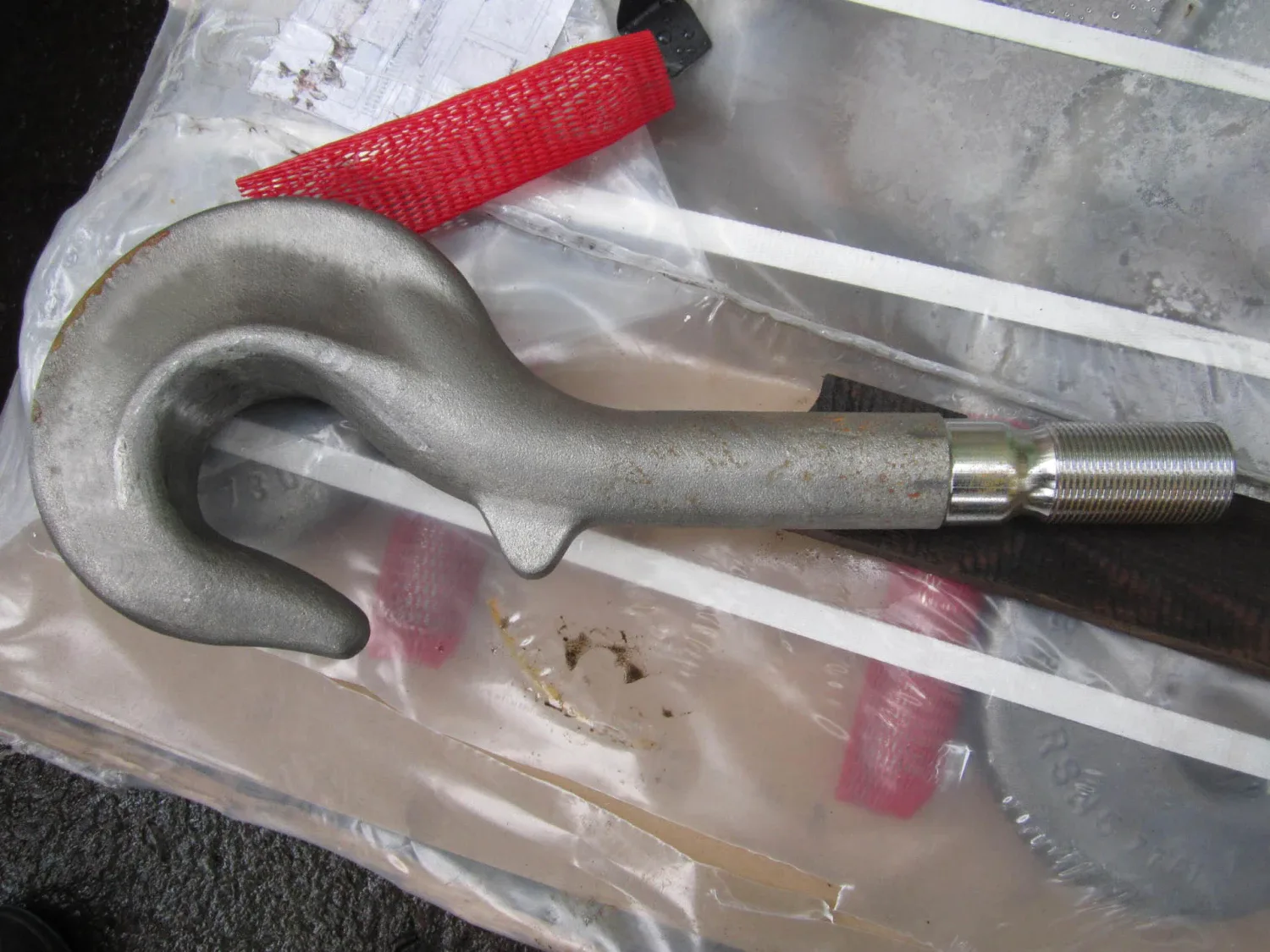
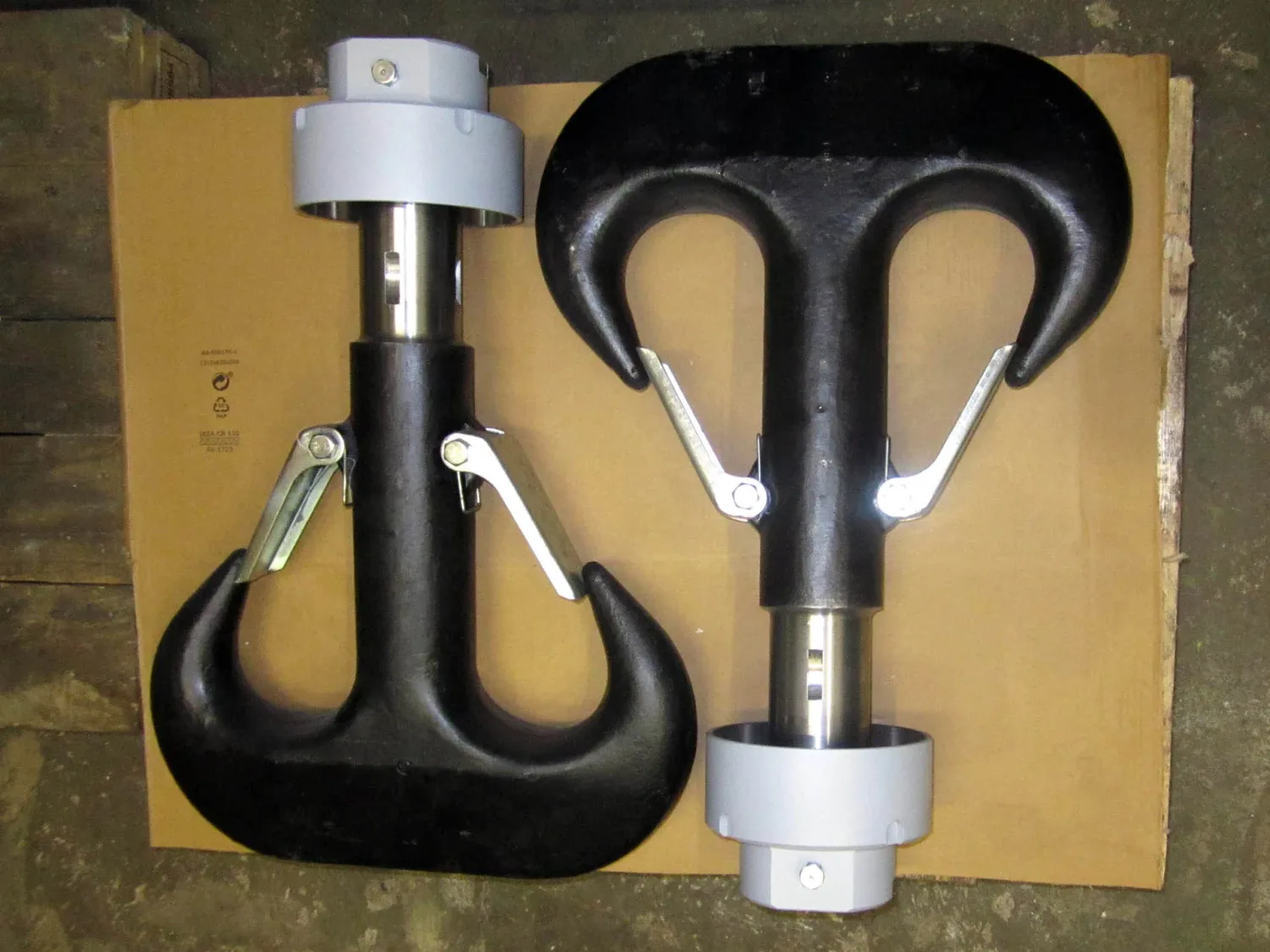
Forged crane hooks are among the most commonly used hook types for suspending loads or lifting attachments. They are available in both single and double hook configurations, with the appropriate design selected according to the required lifting capacity, lifting arrangement, and operating loads. Manufactured in accordance with DIN 15400, forged hooks are widely used across a broad range of crane applications, from standard industrial lifting equipment to heavy-duty material handling systems.
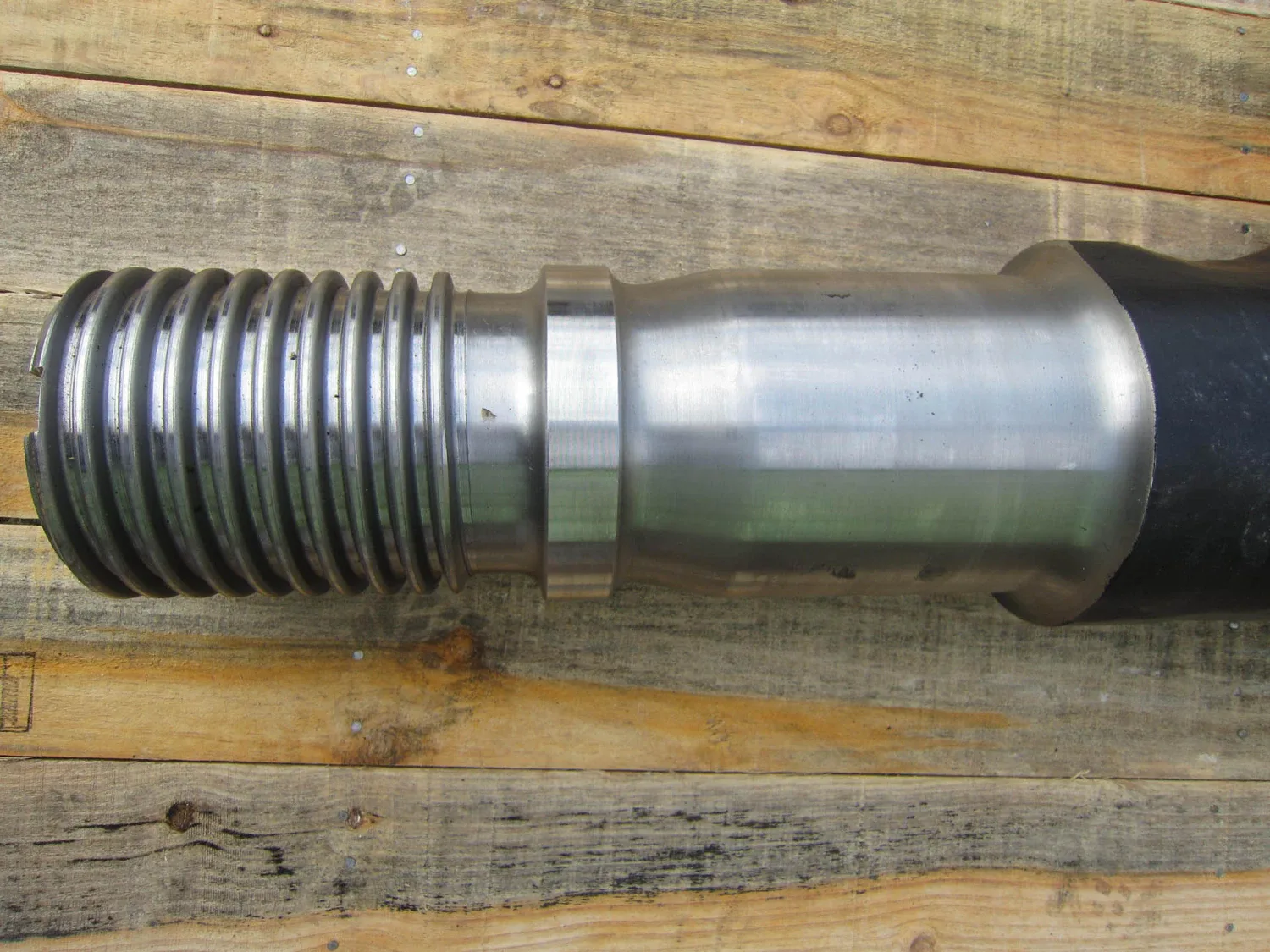
The length of the hook is selected to suit the specific hook block, with particular attention given to the quality of the threaded shank used for mounting. The thread must transition smoothly into the shank without stress-raising undercuts or sharp geometrical changes, ensuring the safe transfer of operational loads. Depending on the lifting capacity and application, the hook may be provided with a metric, round, or trapezoidal thread. We supply forged crane hooks both as components of new hook blocks and as replacement parts for the repair, modernization, and refurbishment of existing crane systems.
When specifying or replacing a forged crane hook, we assess not only the hook itself but also its integration with the retaining nut, bearing assembly, hook block, suspension components, and the crane's operating conditions. The inspection includes evaluating wear, deformation, thread condition, possible cracks, the operation of the safety latch, and the overall integrity of the lifting assembly. A properly selected forged hook ensures smooth load handling, secure load engagement, and the long-term safe and reliable operation of the crane.
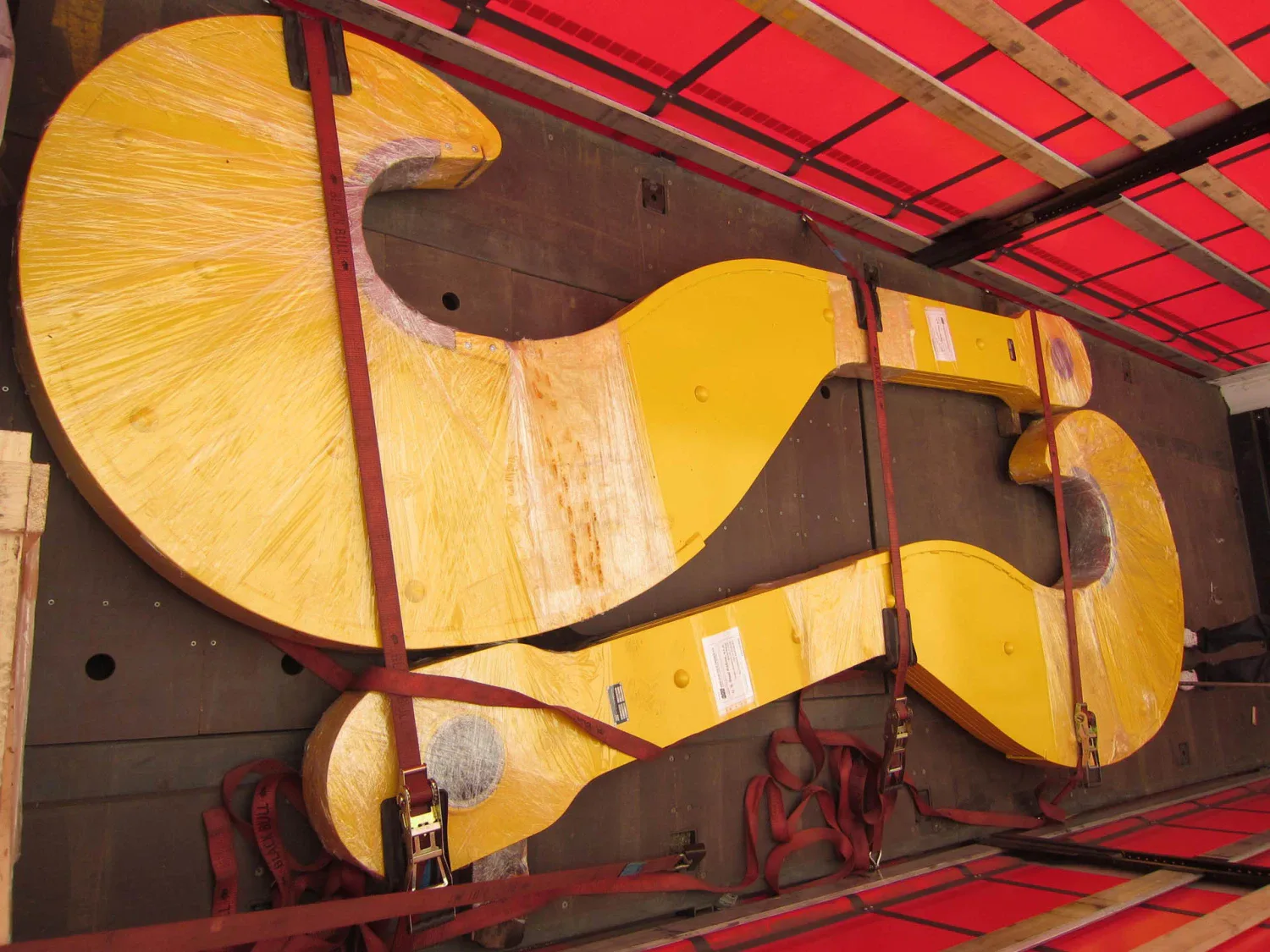
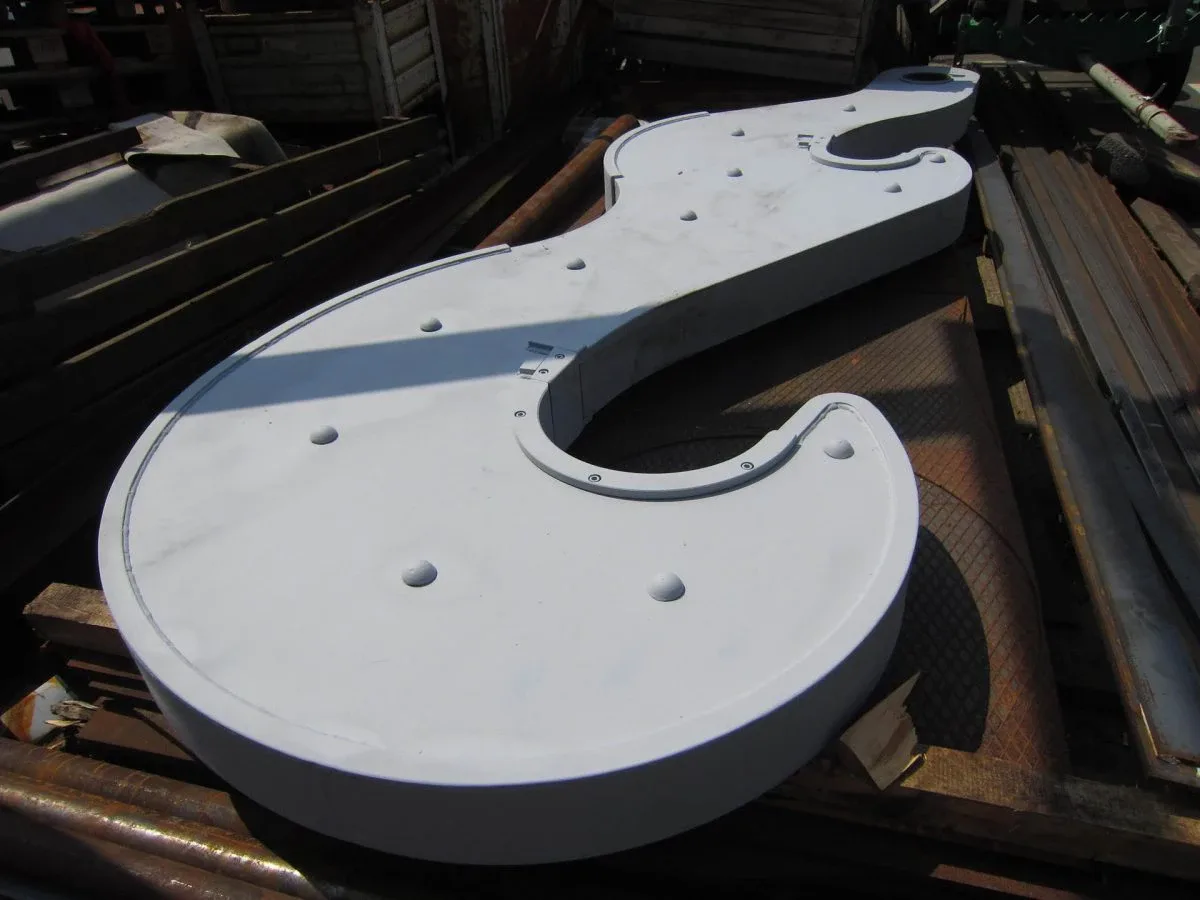
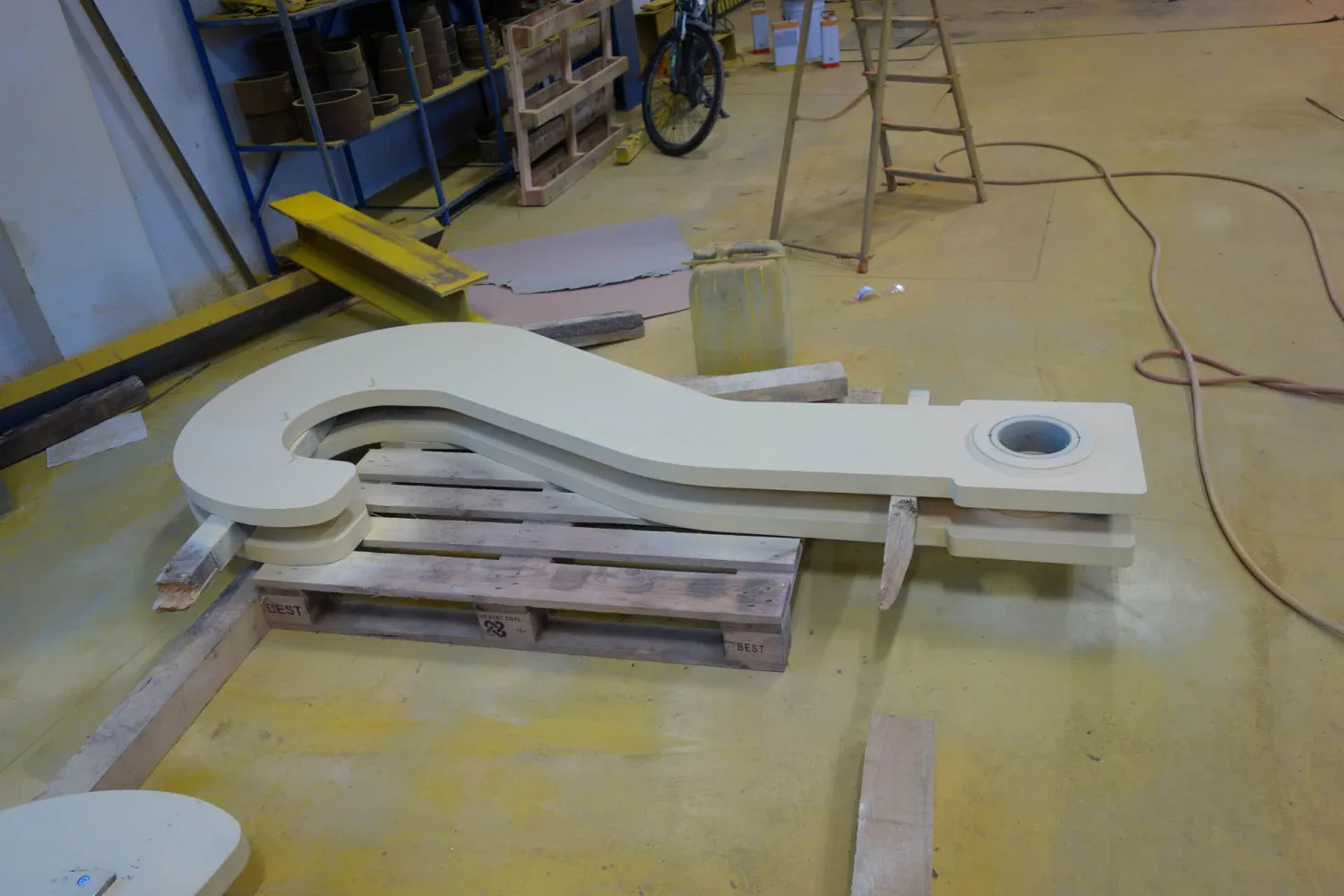
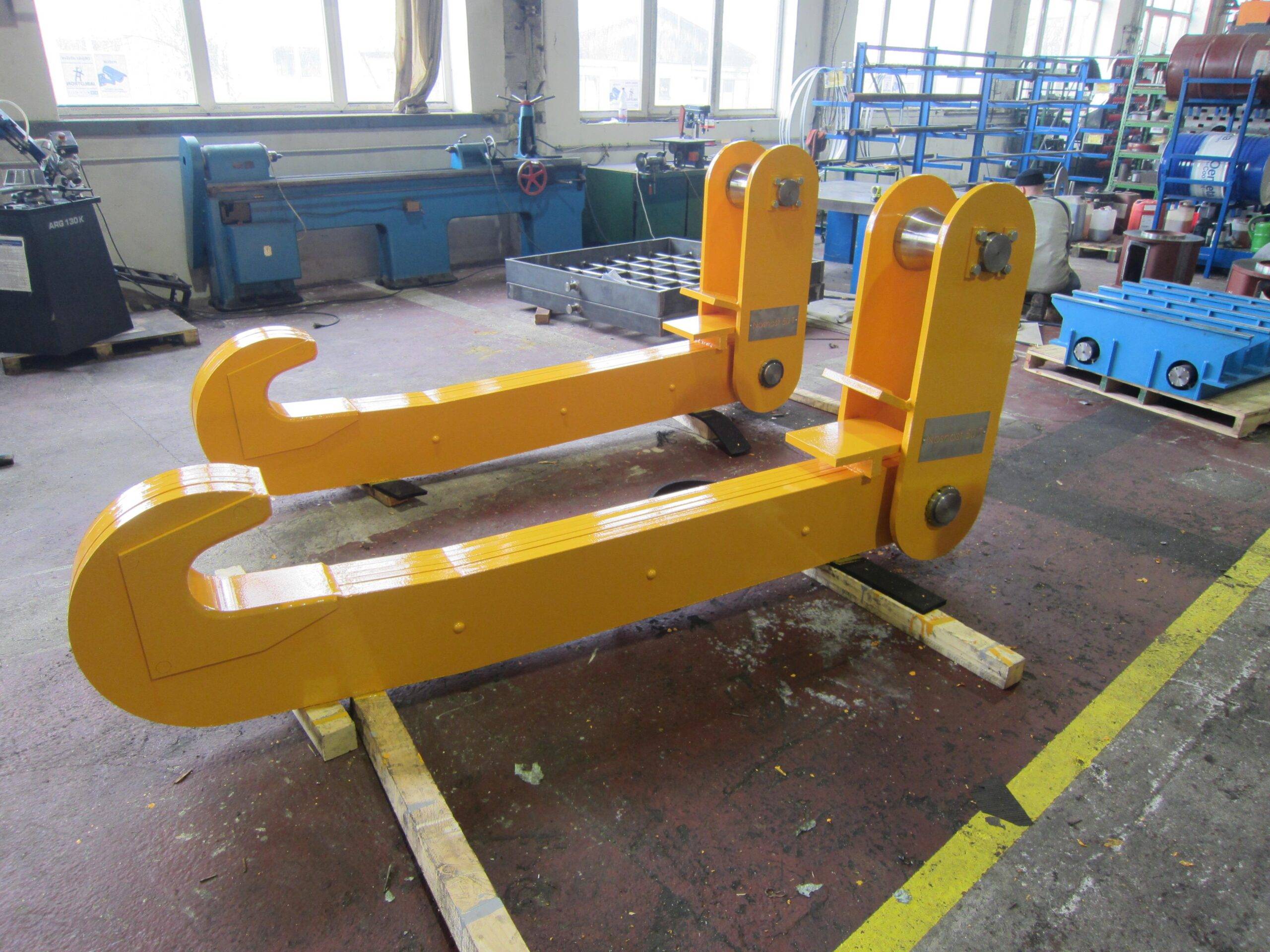
Lamellar crane hooks are load hooks assembled from multiple steel plates (lamellae). They are primarily used for handling molten metal in ladles within foundries and steelworks, but are also suitable for lifting other large or operationally demanding loads. Their laminated construction provides excellent load-carrying capacity, making them well suited for applications where high strength, reliability, durability, and the secure support of the load pin are essential.
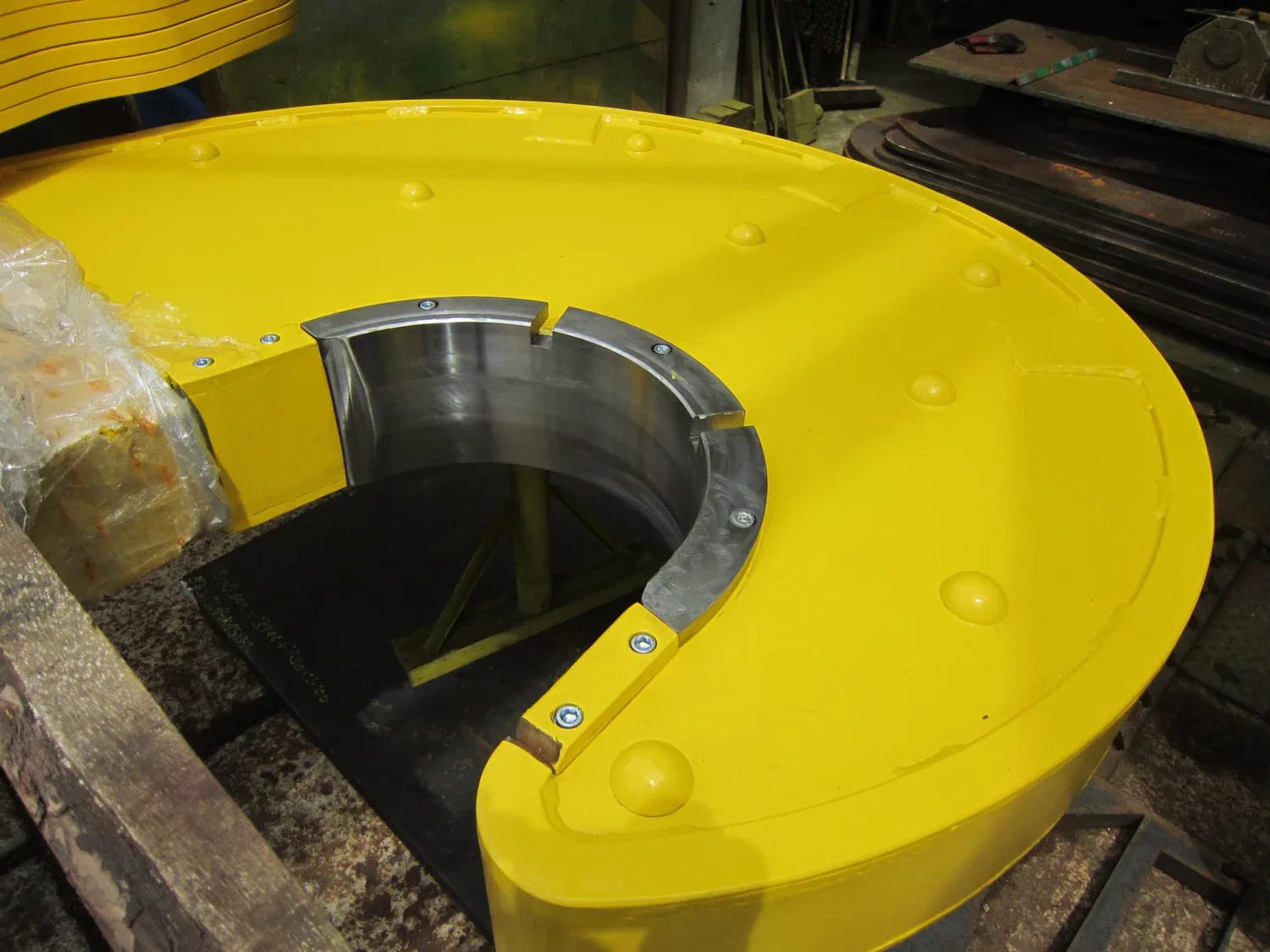
The individual steel plates are joined together by rivets, enabling the laminated hook to safely withstand high loads even in demanding metallurgical environments. The load-bearing surface incorporates a replaceable seating insert, which provides secure support for the ladle trunnion and distributes the load evenly across the individual laminations. During the design process, particular attention is given to high operating temperatures, duty cycle, handling methods, and the inspection and maintenance requirements necessary to ensure the continued safe operation of the hook.
Regular inspection of lamellar crane hooks should include the condition of the individual laminations, rivets, load-bearing surfaces, seating inserts, and the overall geometry of the hook assembly. Early detection of wear or deformation helps prevent failures when handling heavy loads or operating under high-temperature conditions. Whether you require a new laminated hook, replacement of an existing assembly, or modernization of a hook block, we will provide a solution tailored to the required lifting capacity, operating environment, and the specific application of your crane.