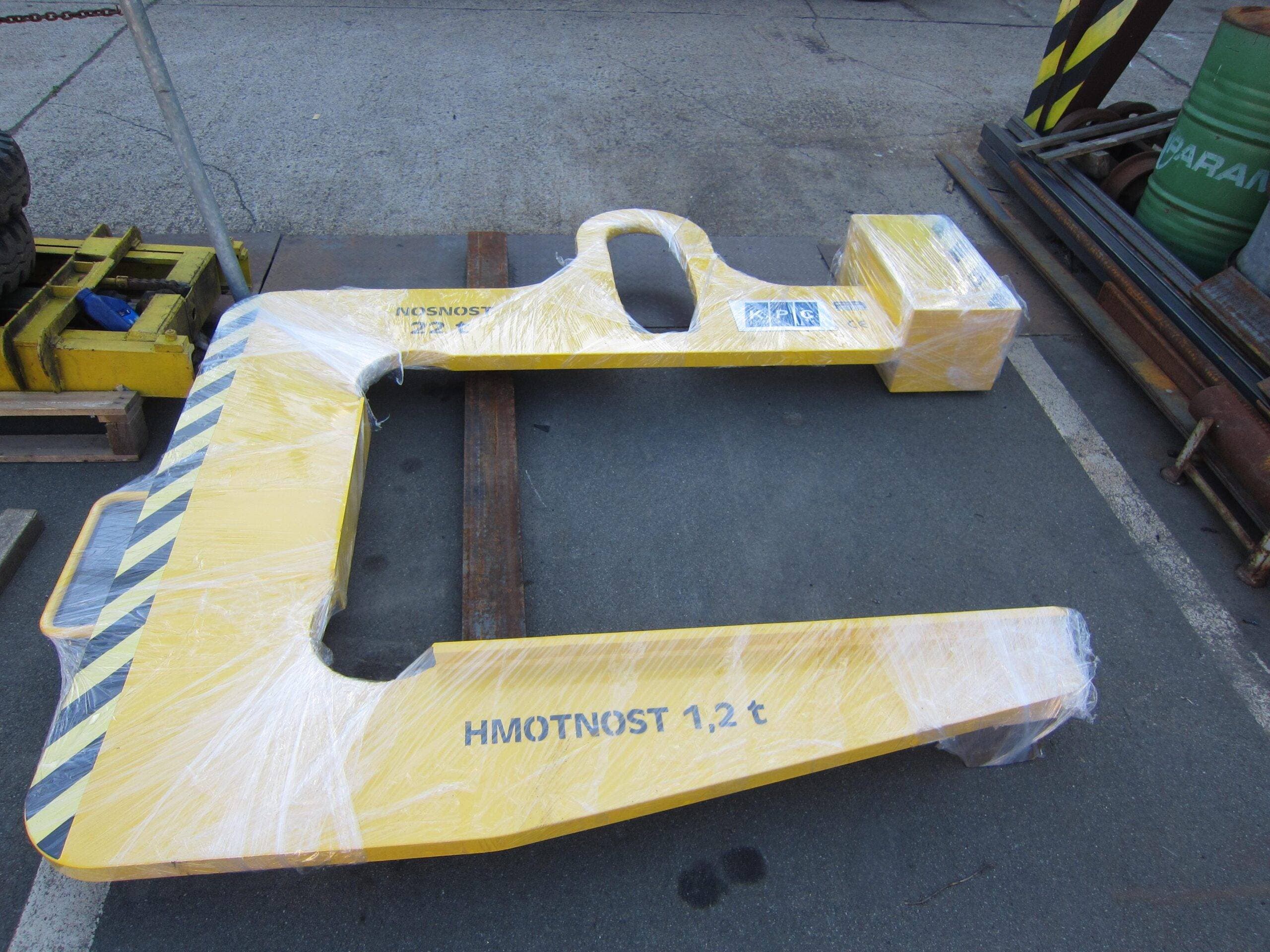
C-Hooks for Safe Handling of Coils and Rolls
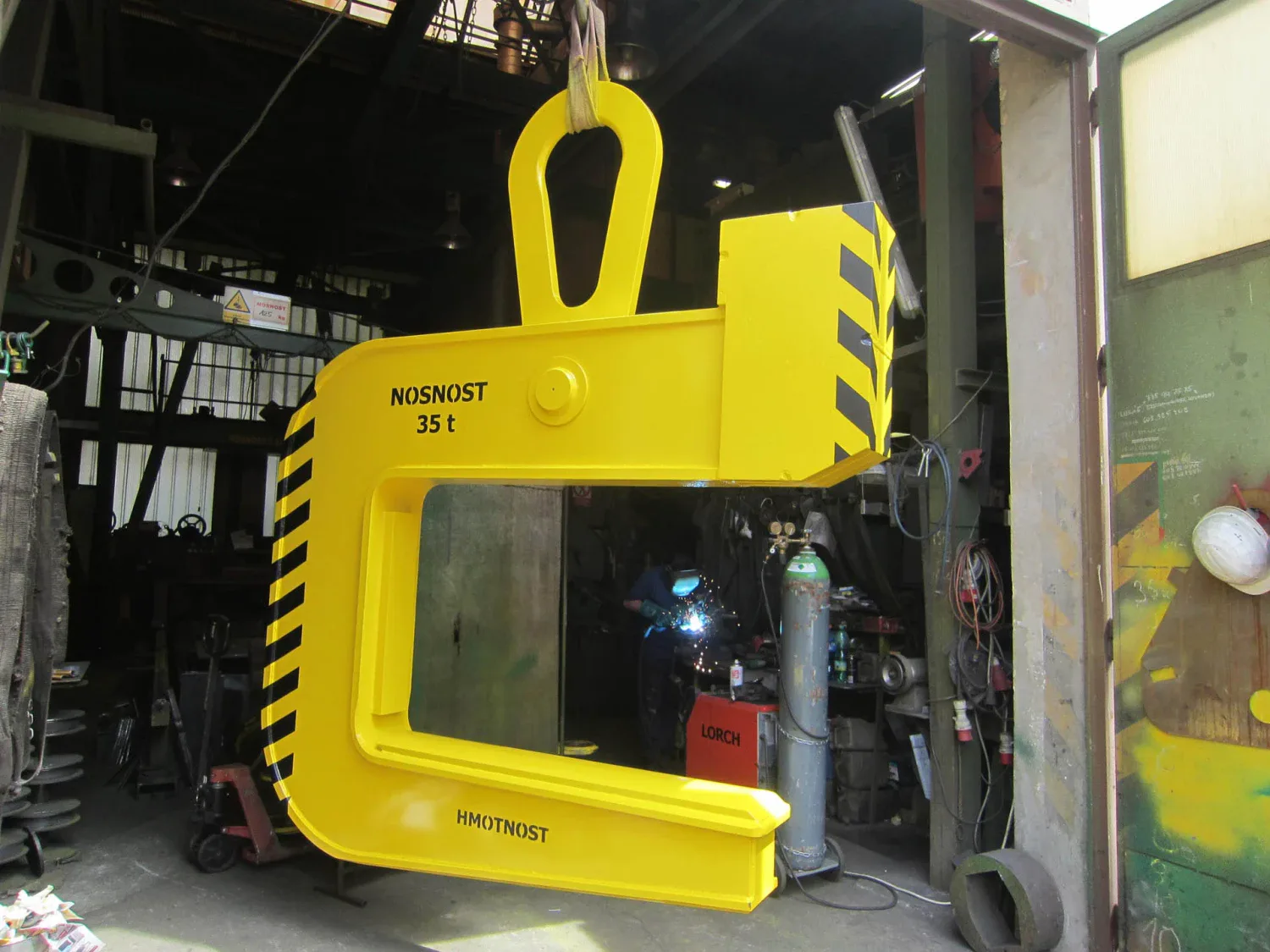
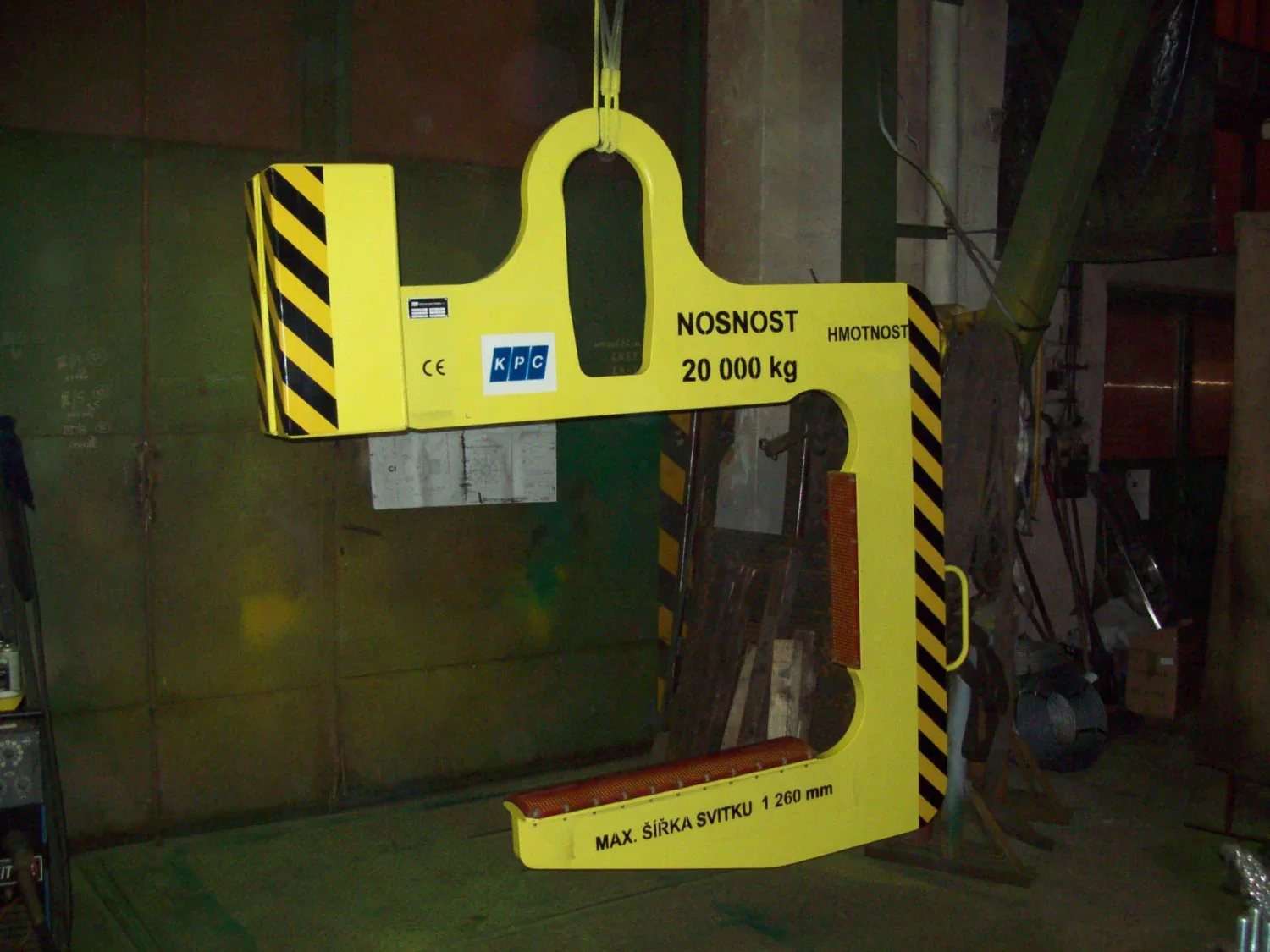
C-hooks are designed for the safe and efficient handling of coils, rolls, rings, and other loads with a hollow center. They are primarily used in applications where the load must be picked up, transported, and accurately positioned without the need for complex slinging arrangements. Typical applications include steel service centers, manufacturing plants, rolling mills, logistics facilities, and other industrial operations where coiled or ring-shaped materials are handled on a regular basis.
Each C-hook is individually engineered to suit the specific load, taking into account its weight, width, diameter, center of gravity, and handling method. We also consider the crane type, lifting height, available operating space, frequency of use, and operator requirements. A properly designed C-hook improves handling efficiency, reduces the risk of material damage, and enhances safety during everyday lifting operations.
C-Hook Design Tailored to the Load and Operating Conditions
The design of a C-hook begins with a detailed assessment of the dimensions and characteristics of the load to be handled. Steel coils, industrial rolls, rings, and other non-standard circular loads each require a different design approach. Key design parameters include the internal diameter, load width, center of gravity, lifting method, and the level of stability required during both lifting and crane travel operations.
The handling process is another important aspect of the design. A C-hook must allow safe insertion into the load, secure lifting, controlled transport, and accurate placement at the required location. In applications involving repetitive material handling, the hook's geometry and balance have a significant impact on handling speed, operator comfort, and the reduction of unnecessary downtime.
Construction, Balance, and Safety
The construction of a C-hook must be designed to match the actual operating loads and environmental conditions. We carefully engineer the load-bearing structure, suspension arrangement, arm geometry, protective features, optional load-guiding elements, and the overall balance of the lifting attachment. When handling heavy or large-diameter loads, maintaining stable behavior during lifting is essential to prevent unwanted tilting, shock loading, or uncontrolled movement of the material.
Safety depends not only on the rated lifting capacity but also on the suspension method, the condition of the hook, the integrity of welded joints, the wear of load-bearing surfaces, and correct operating procedures. Depending on the application, the design may also incorporate load surface protection, mechanical stops, guide elements, or other custom features tailored to the characteristics of the material being handled. The objective is to provide a C-hook that enables safe, reliable material handling while minimizing risks to both the operator and the surrounding working environment.
Operational Performance and Long-Term Maintenance
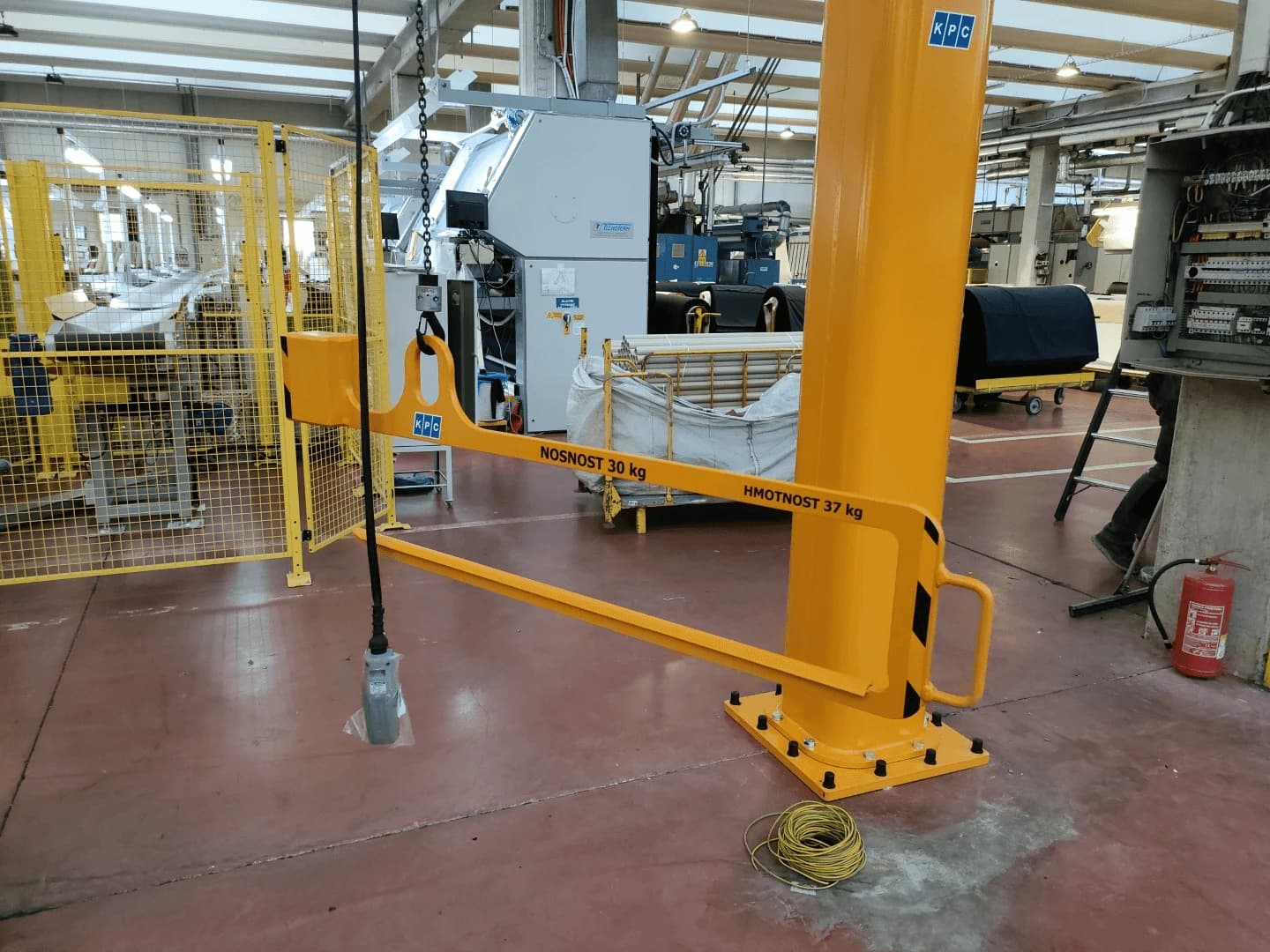
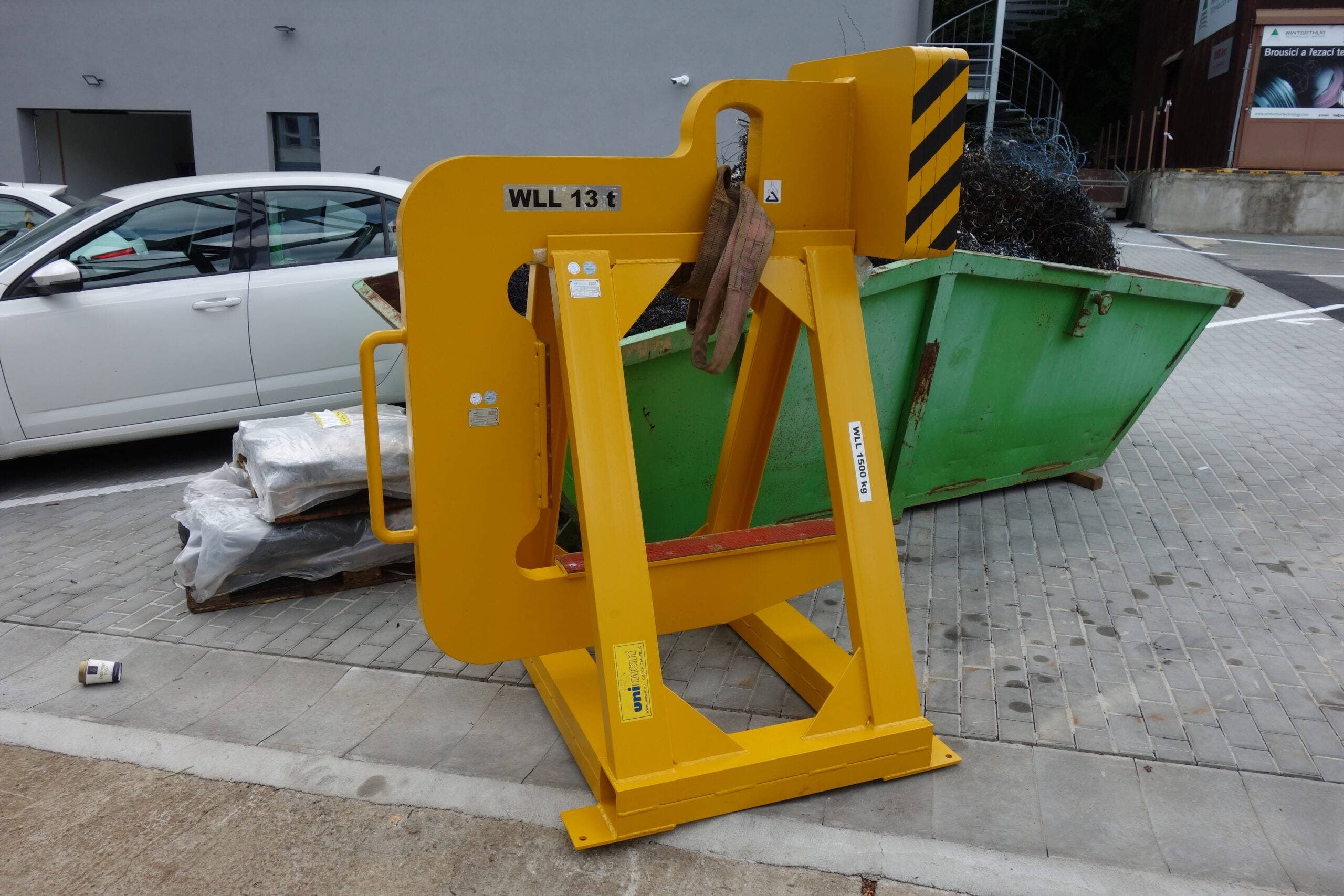
In facilities where coils or rolls are handled on a daily basis, it is important to consider not only the C-hook design itself but also its practical use in everyday operations. Key factors include the speed of load engagement, sufficient clearance for inserting the hook into the load, clear and predictable handling, and the ability to safely store the C-hook outside the working area when not in use. Where multiple operators use the same equipment, a simple and intuitive design helps reduce the risk of operating errors and promotes safe, efficient material handling.
Regular inspection is an essential part of the safe operation of any C-hook. Routine checks should include the condition of the suspension eye, load-bearing structure, welded joints, load contact surfaces, protective elements, and any signs of permanent deformation. Early identification of wear or damage helps prevent safety issues and reduces the risk of unplanned downtime. For demanding applications, we recommend establishing inspection intervals based on the frequency of use, load weights, and the operating environment. This proactive approach supports effective maintenance planning, extends the service life of the equipment, and ensures safe, reliable material handling throughout its operational lifetime.
Custom C-Hooks with Engineering Support, Service, and Modifications
We design and supply C-hooks both as standalone lifting attachments and as integral components of complete crane and material handling systems. Depending on the project requirements, our scope of supply can include engineering design, manufacturing, technical documentation, installation integration, commissioning support, and recommendations for routine inspection and preventive maintenance.
For existing equipment, we also provide modifications, repairs, and adaptation of C-hooks to accommodate new load types. Changes in material dimensions, weight, storage methods, or handling procedures may mean that the original C-hook is no longer suitable for the application. In such cases, we assess the technical condition of the existing equipment and recommend the most appropriate solution, whether that involves modification, structural reinforcement, the addition of protective features, or the manufacture of a new custom-engineered C-hook.
A properly engineered C-hook simplifies the handling of coils and rolls, reduces handling times, and minimizes the physical effort required from the operator. If you require a solution for a specific load, we will design a C-hook tailored to its dimensions, weight, operating conditions, and the type of crane used, ensuring safe, efficient, and reliable material handling.