Flexible pin couplings are used to transmit torque between two shafts while also absorbing shock loads generated during starting, braking, or changes in operating load. Their resilient intermediate element compensates for minor shaft misalignment and helps reduce dynamic stresses acting on the motor, gearbox, bearings, and other components of the drive system.
Flexible pin couplings are particularly suitable for applications where smooth starting, low operating noise, and gentle torque transmission are important. The coupling type is selected according to the load characteristics, operating duty, and the required service life. When replacing couplings in older equipment, we assess whether the original design remains appropriate for current operating conditions or whether a more robust or maintenance-friendly solution would provide better long-term performance.
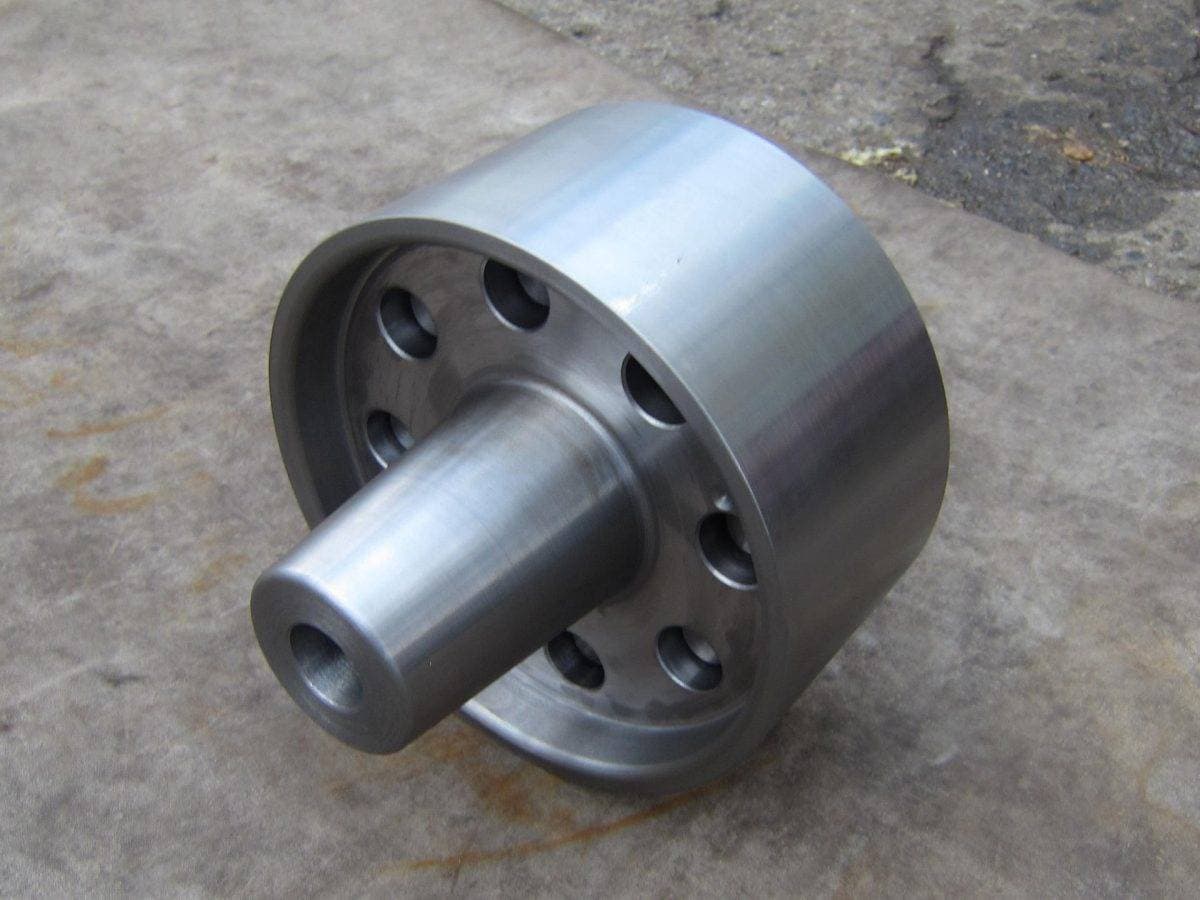
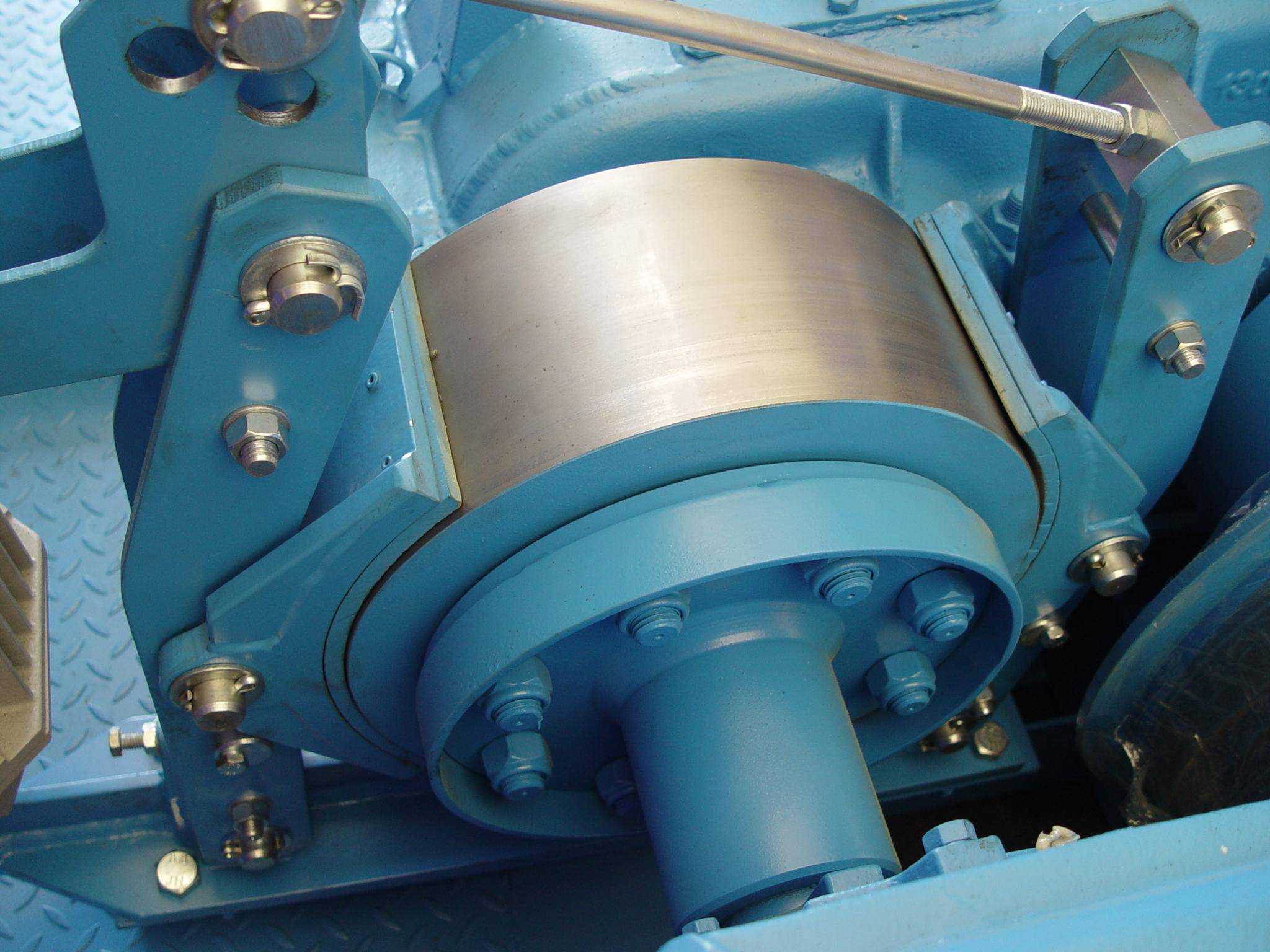
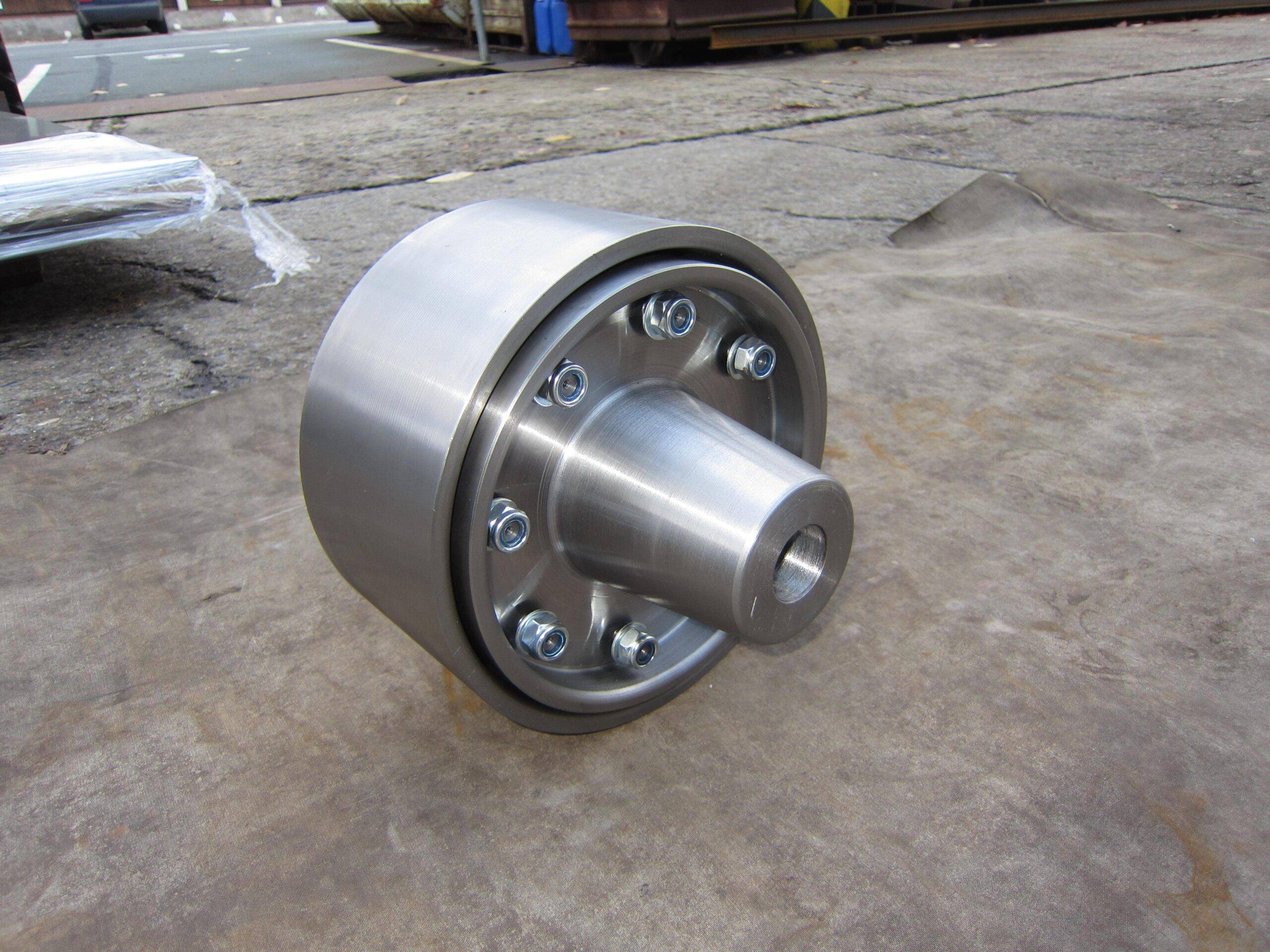

Gear couplings are used in applications where high torque must be transmitted within a compact design while also accommodating minor shaft misalignment. Their toothed construction provides reliable power transmission despite small axial, angular, or radial deviations between connected shafts. They are commonly used to connect gearboxes to crane travel wheels or other driven components within crane drive systems.
A properly engineered gear coupling reduces localized stress within the drive train, protects bearings and gearboxes, and contributes to smoother, more reliable equipment operation. During the design process, we evaluate the transmitted torque, rotational speed, operating duty, lubrication requirements, installation accuracy, and the condition of the associated drive components. When replacing a gear coupling, it is important to verify not only its dimensions and compatibility but also the underlying cause of the original component's wear or failure.
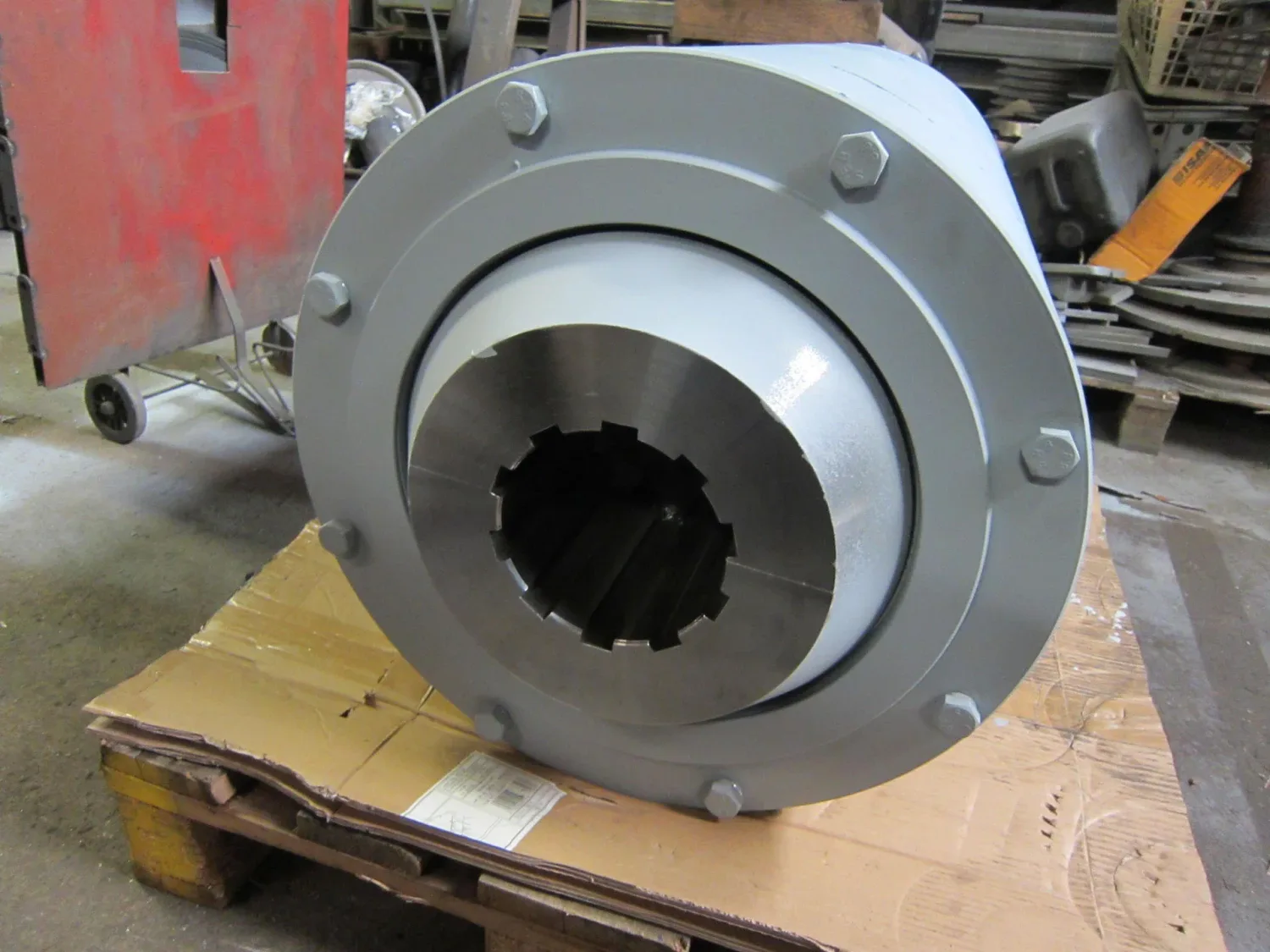
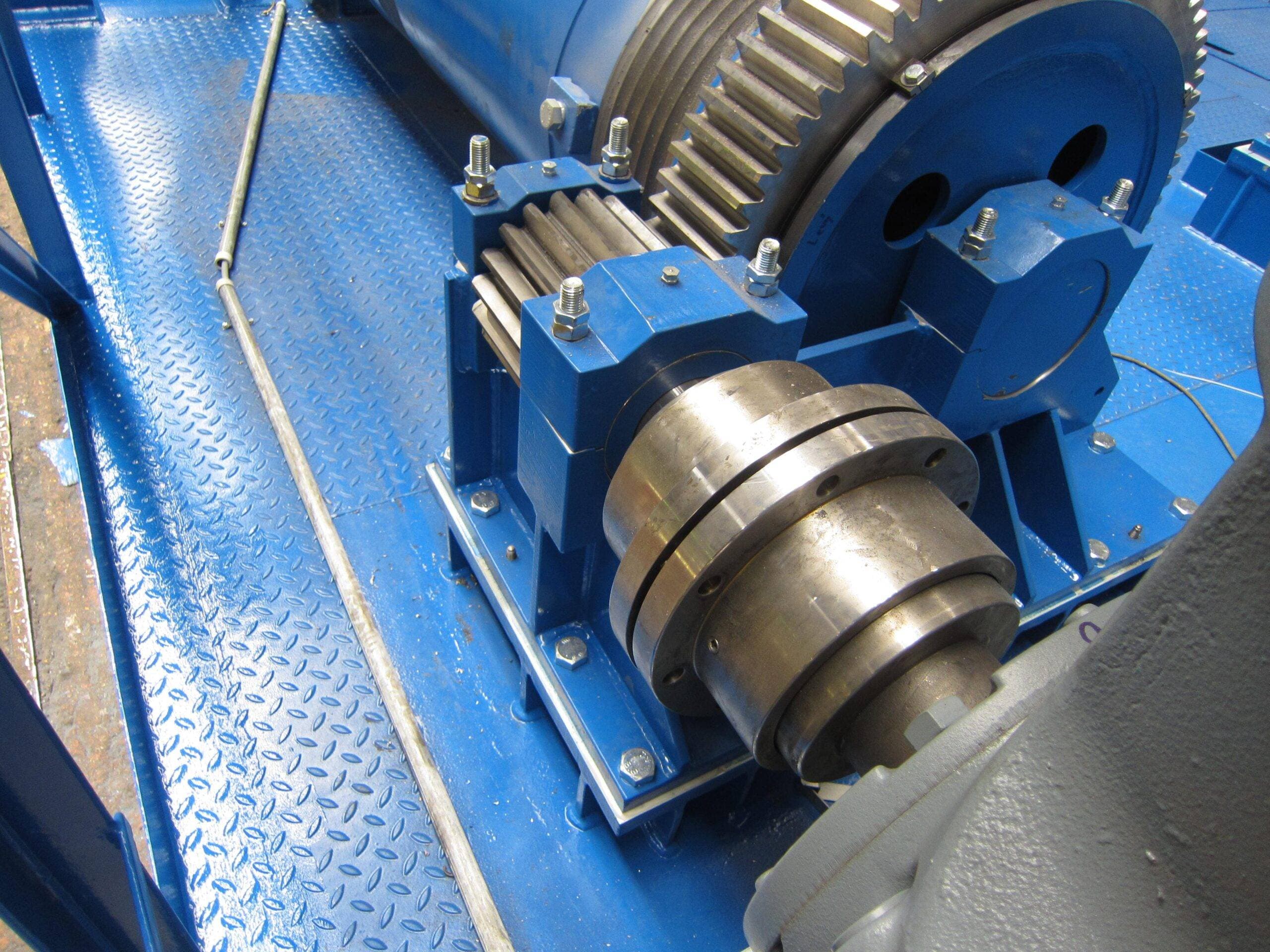
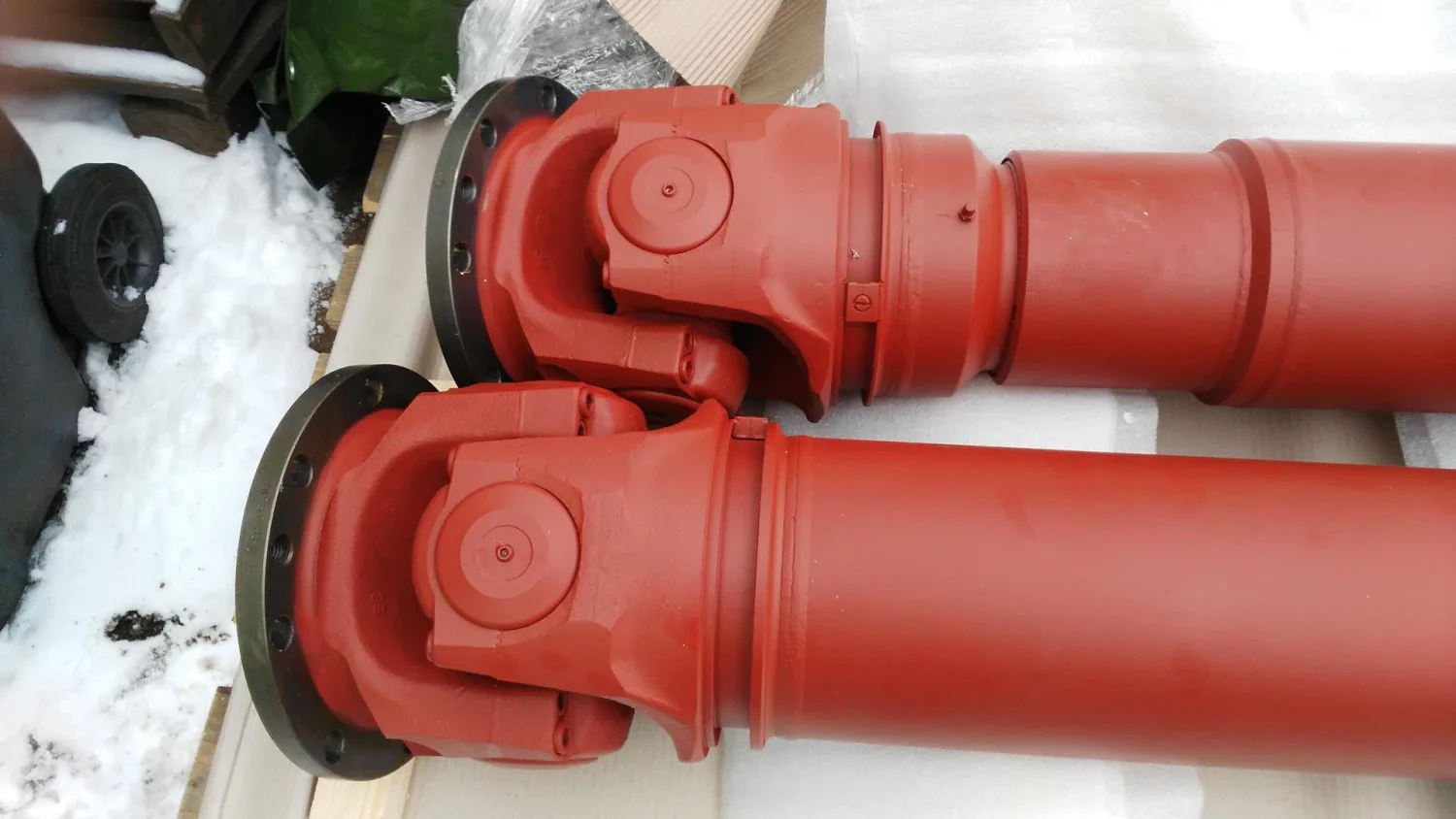
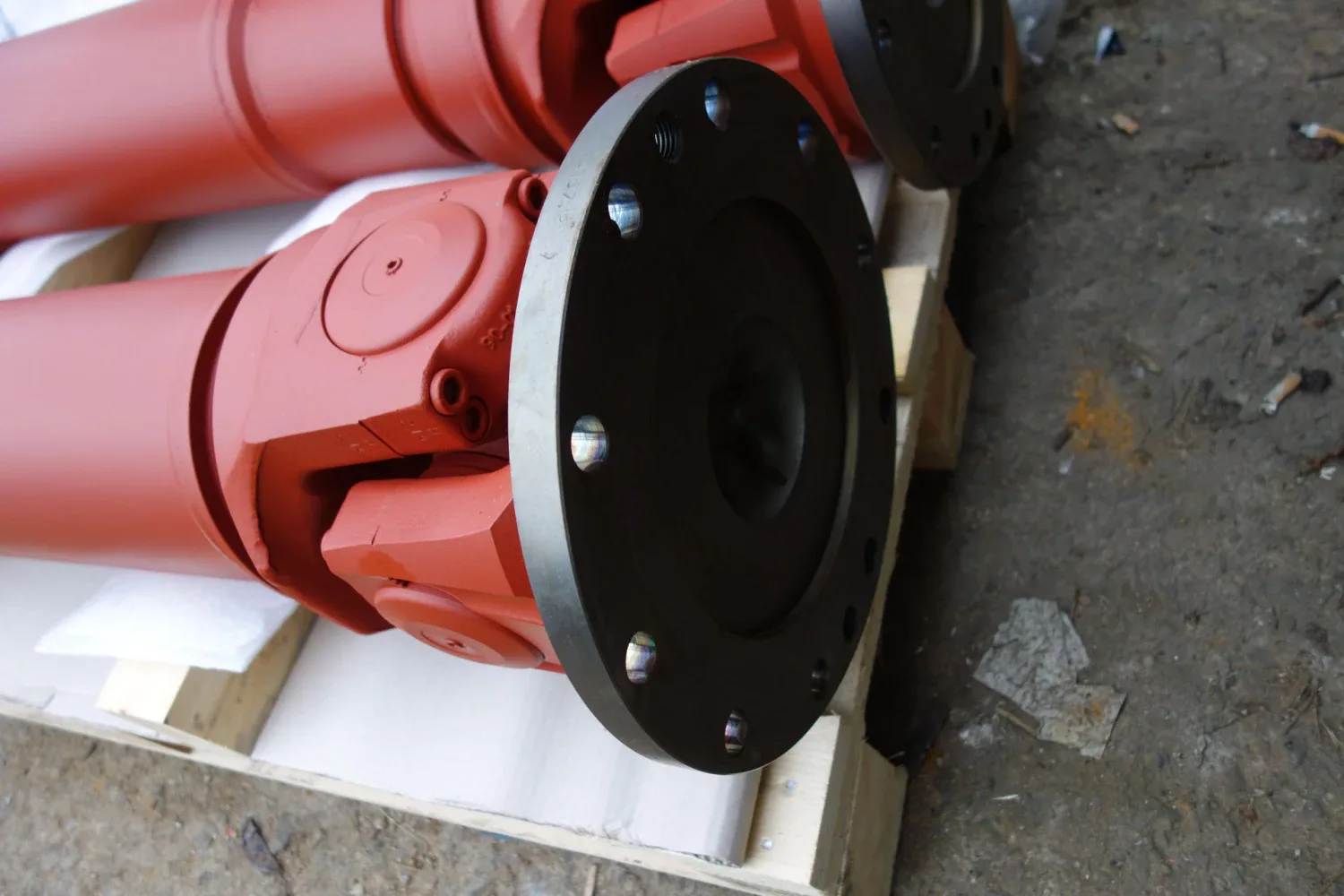
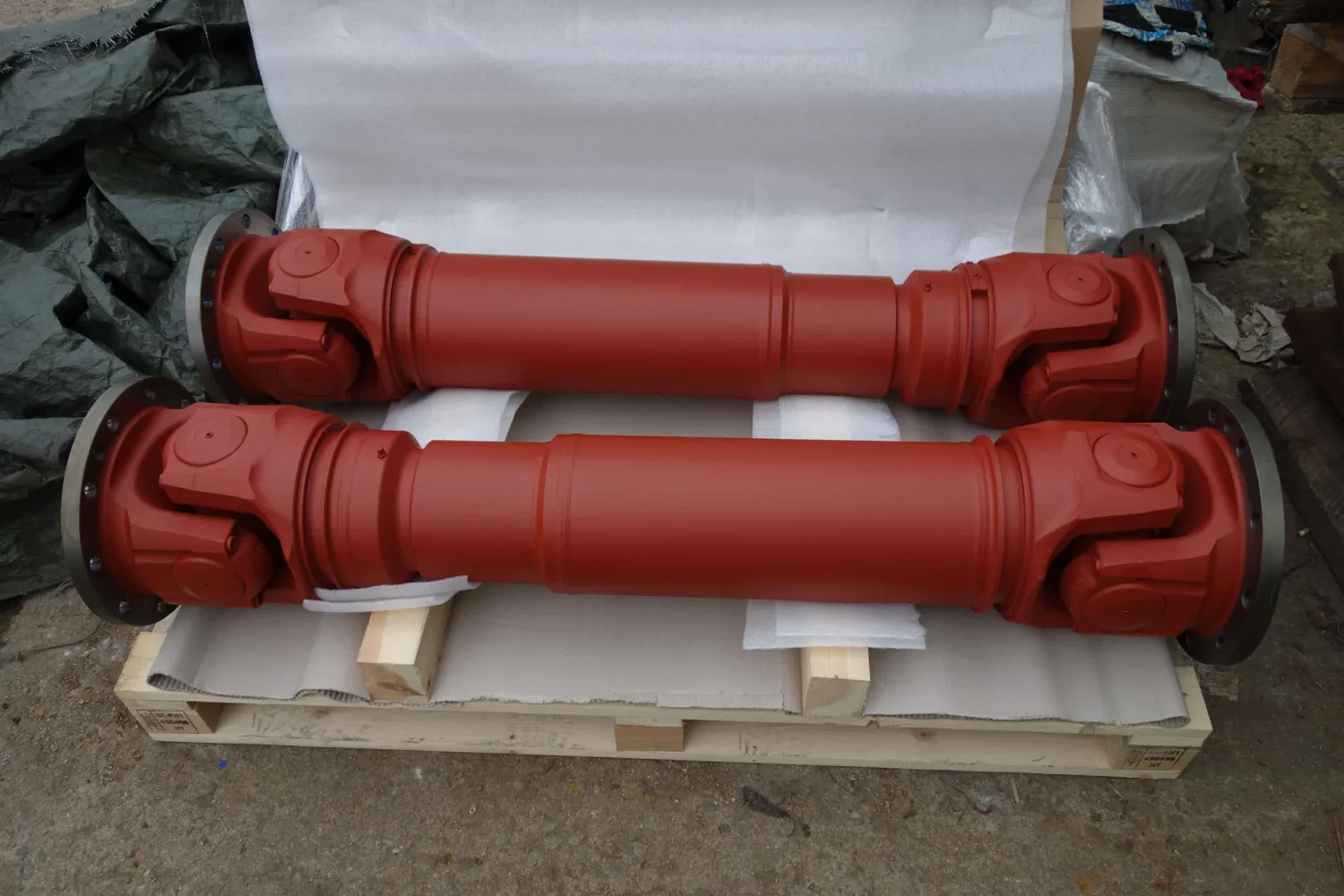
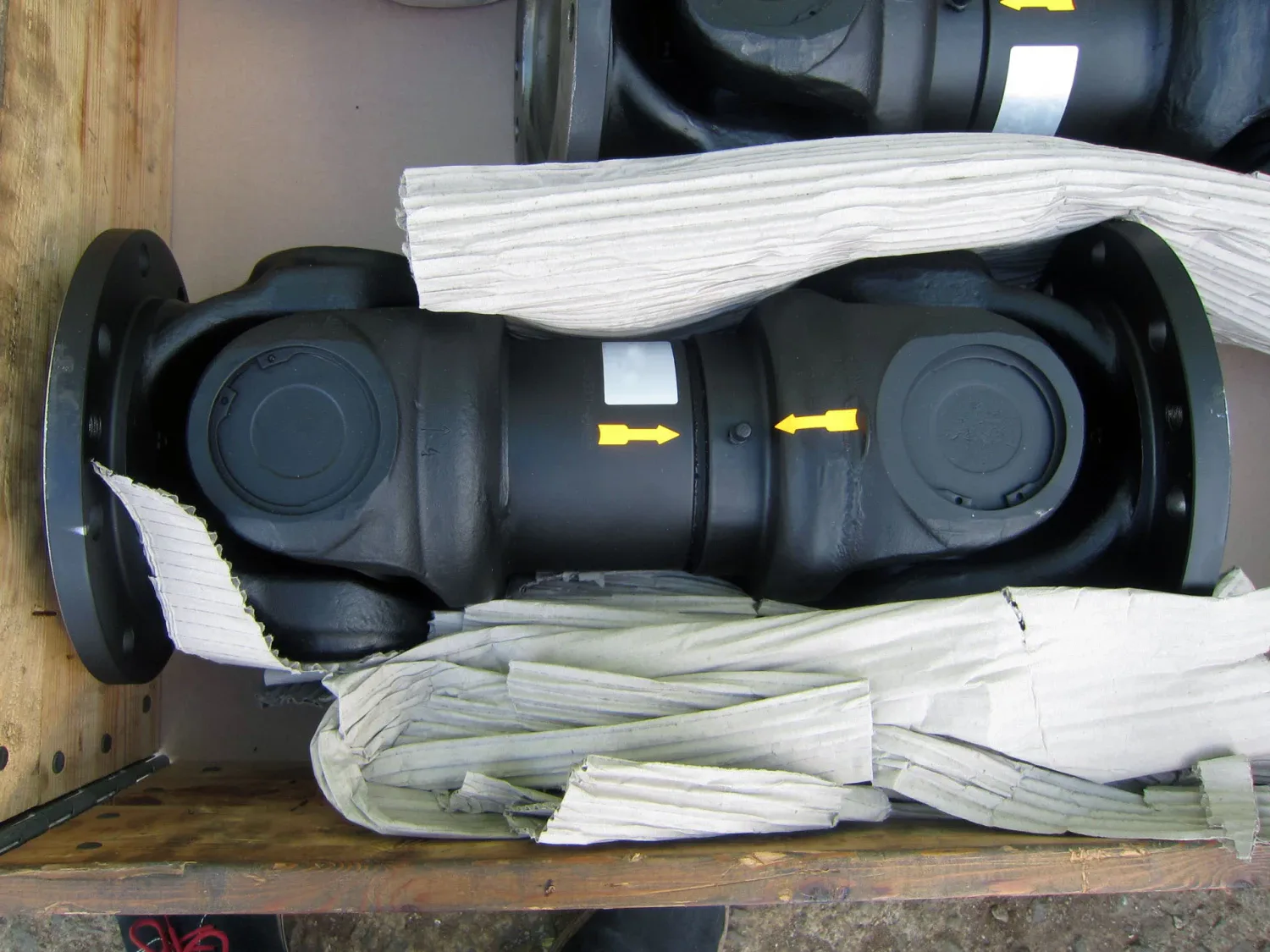
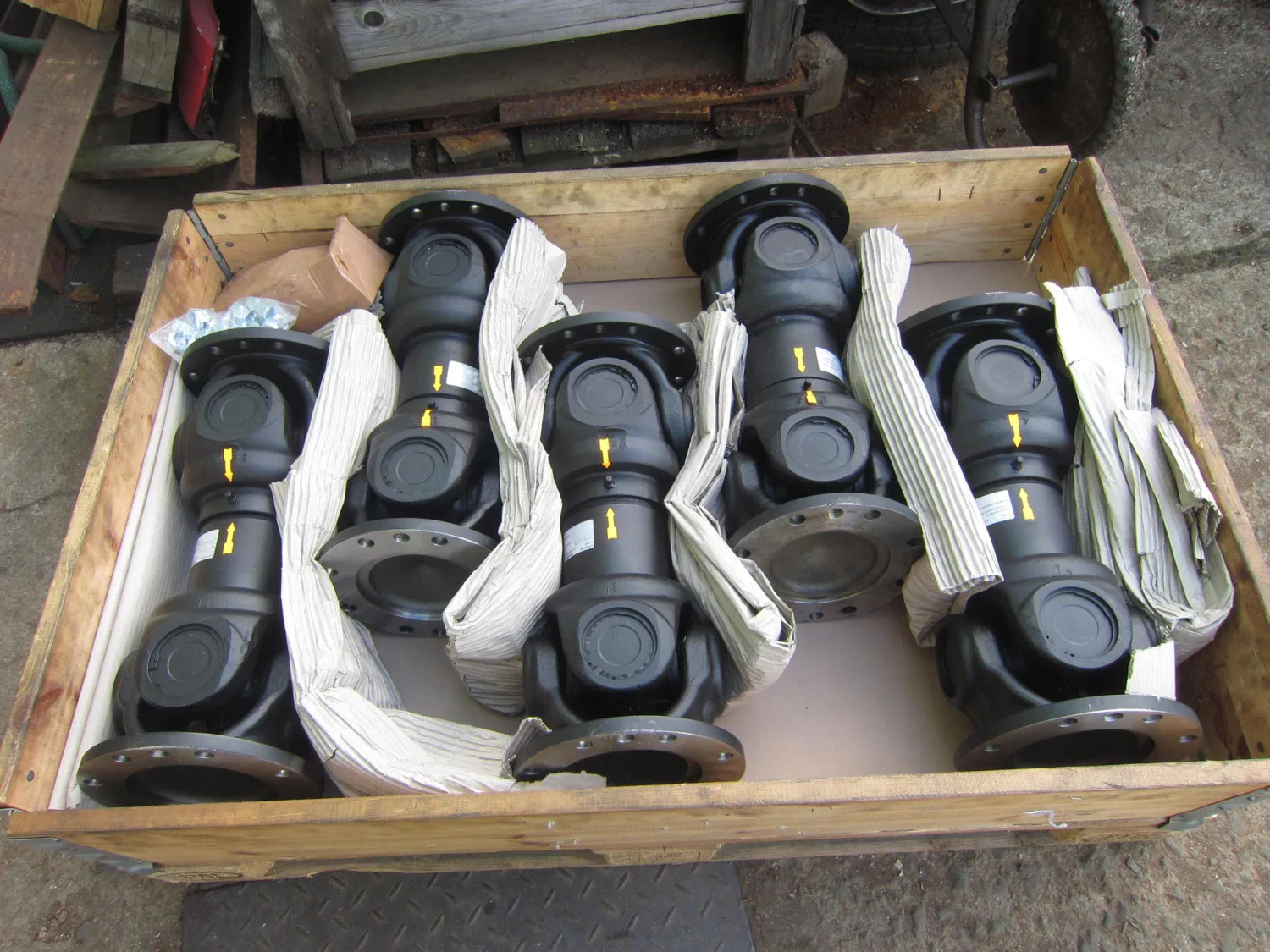
Cardan shafts are used where torque must be transmitted between shafts that are not perfectly aligned. In crane applications, they are commonly installed between the gearbox and the travel wheel, or wherever structural constraints, deflection, or limited installation space prevent the use of a direct shaft connection. They compensate for installation misalignment, structural movement, and the dynamic loads generated during crane operation, helping to ensure reliable and efficient power transmission.
A properly designed cardan shaft reduces shock loads within the drive system, protects associated components, and improves the smooth operation of the equipment. During the design process, we consider the shaft length, operating angles, transmitted torque, bearing arrangement, connection method, and maintenance accessibility. If the operating loads or drive configuration have changed, it is also advisable to assess the associated components to ensure that the upgraded system provides reliable long-term performance without recurring failures.