Overhead cranes for light and heavy industry
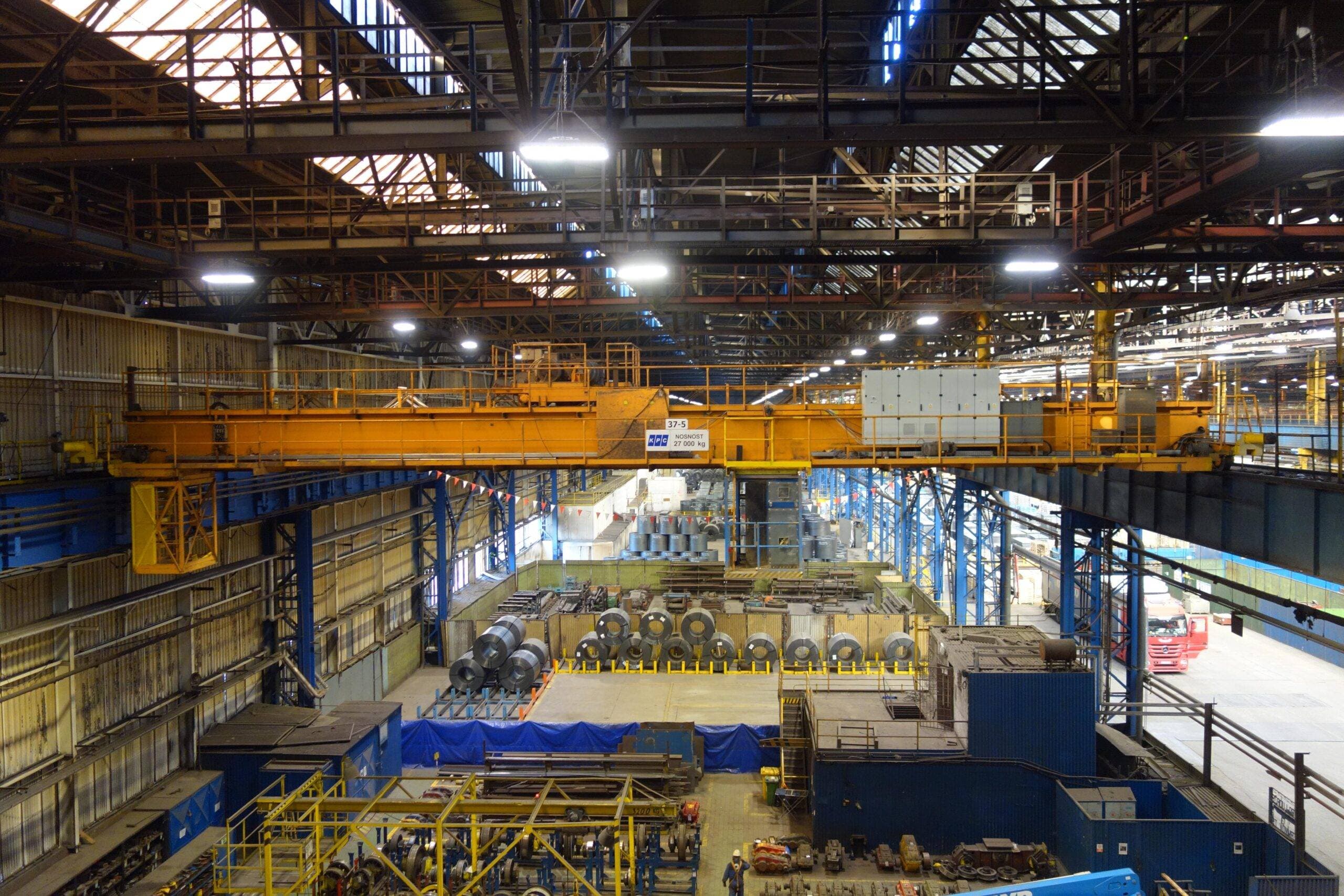
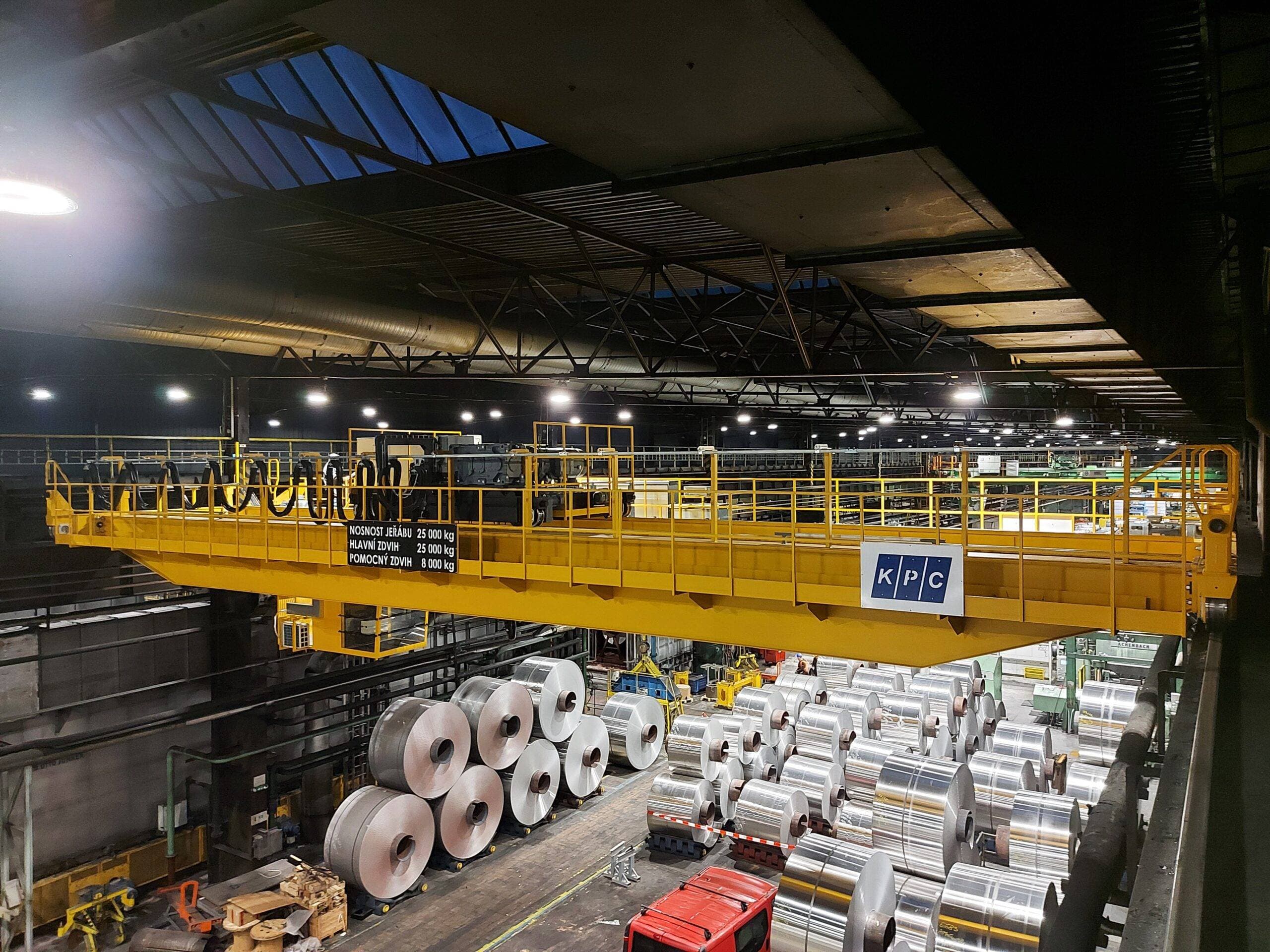
Overhead cranes are among the most frequently used lifting devices in production halls, warehouses, metallurgical plants, foundries, and other industrial facilities. Their main advantage is the ability to cover a large part of the hall's floor plan in both longitudinal and transverse directions, while safely handling loads of various sizes and weights. The structure consists of a bridge with one or more main girders, end carriages with travel wheels, and a lifting mechanism that moves along the crane's support structure.
Each overhead crane is designed according to the specific operation, type of loads handled, required load capacity, working environment, and intensity of use. Not only the maximum load capacity is important, but also the span, lifting height, runway length, control method, working speeds, and integration with other technologies in production. Thanks to the correct design, smooth handling, safe operation, and long service life of the entire system can be achieved.
Single-girder and double-girder overhead cranes
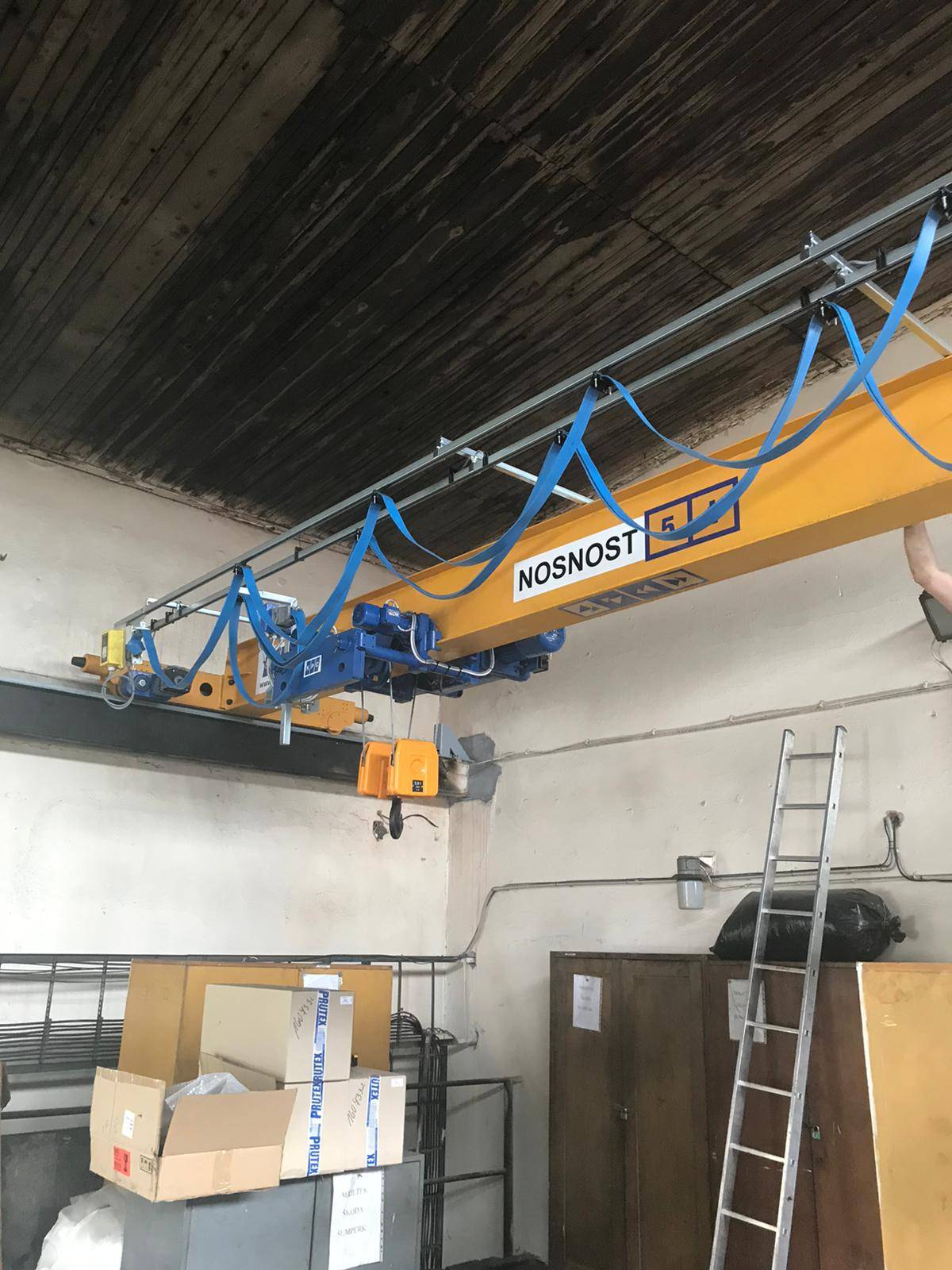
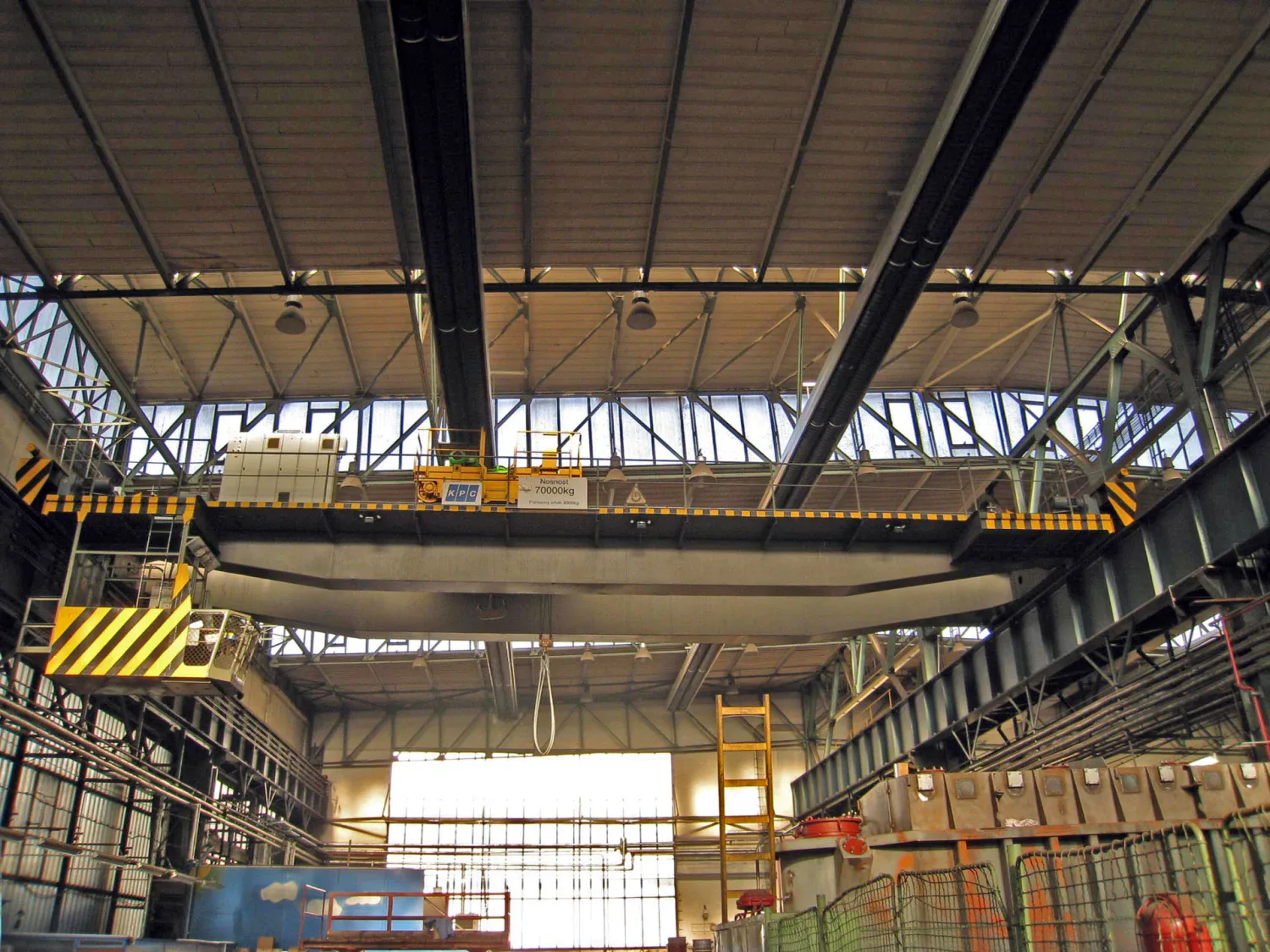
According to operating requirements, we supply both single-girder and double-girder overhead cranes. The single-girder design is particularly suitable for lighter and medium-duty operations where a reliable solution with a good balance between load capacity, structural height, and economic efficiency is required. They are used in factory halls, service operations, and warehouses, for example.
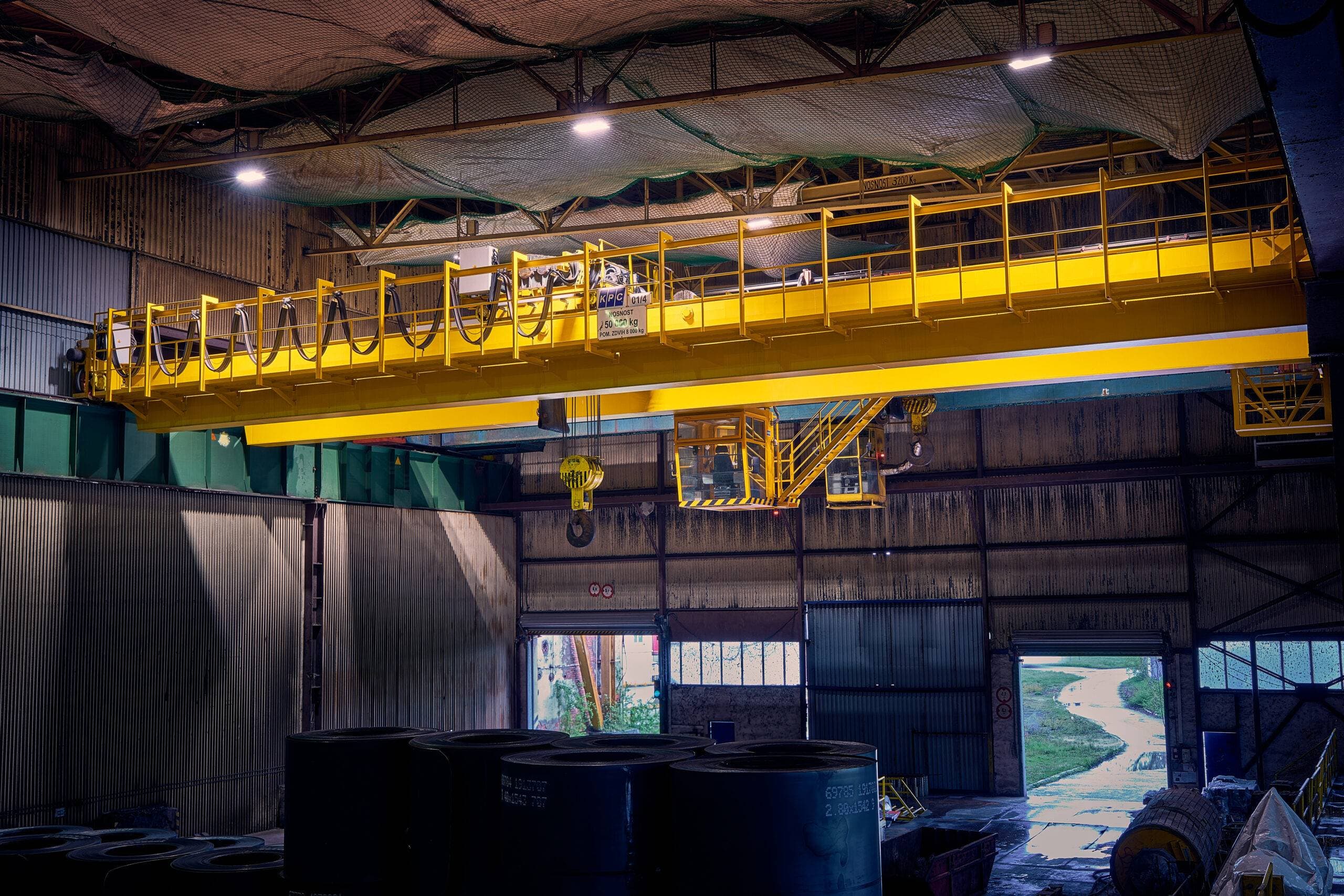
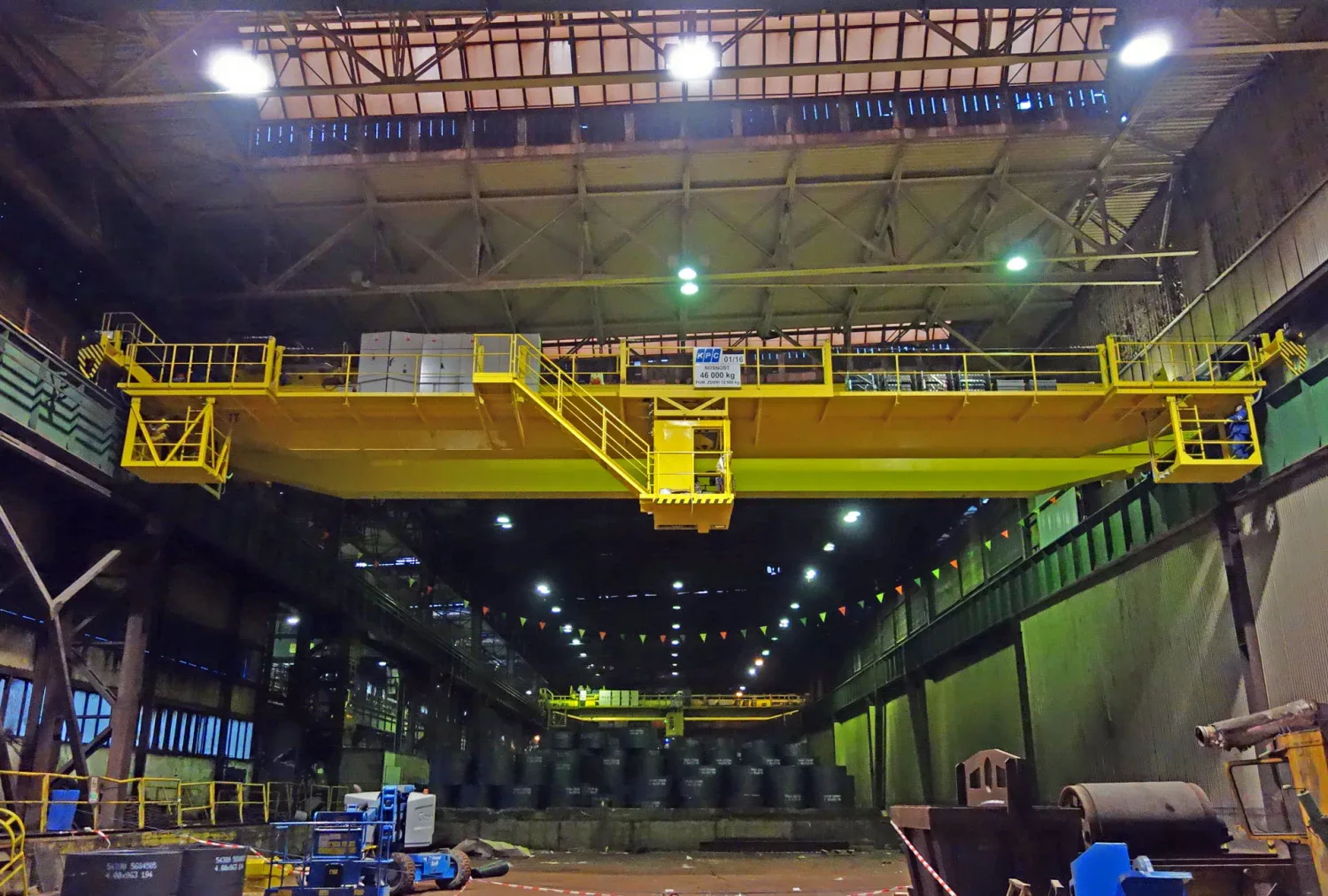
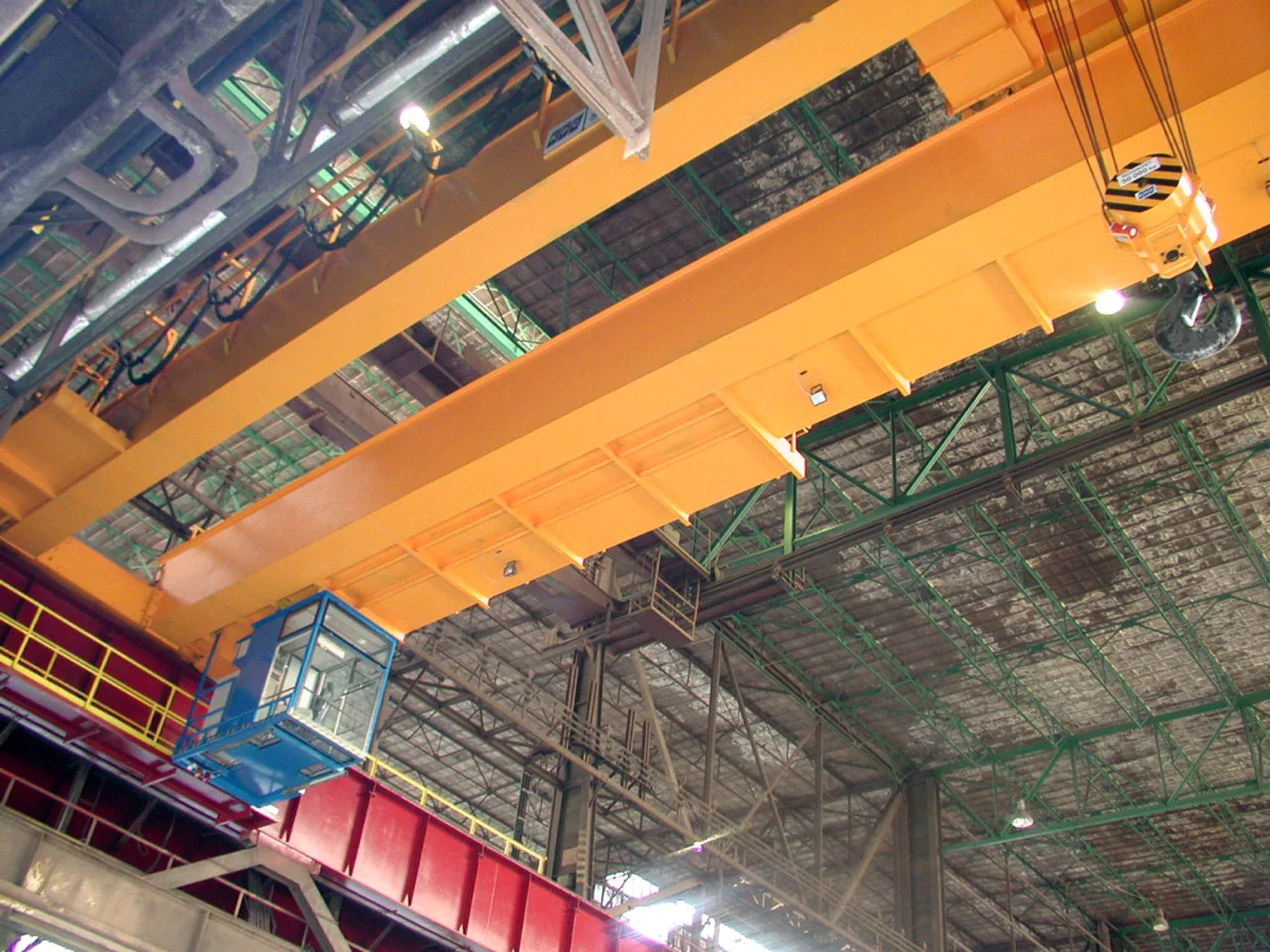
Double-girder overhead cranes are used where higher load capacity, larger spans, more demanding operating conditions, or better hook height utilisation are required. They are suitable for heavy industry, steelworks, foundries, power generation, and other operations where the equipment handles high loads and must withstand intensive use over the long term. In both cases, the crane can be adapted to the spatial possibilities of the hall and the specific handling process.
Equipment, controls and gripping means
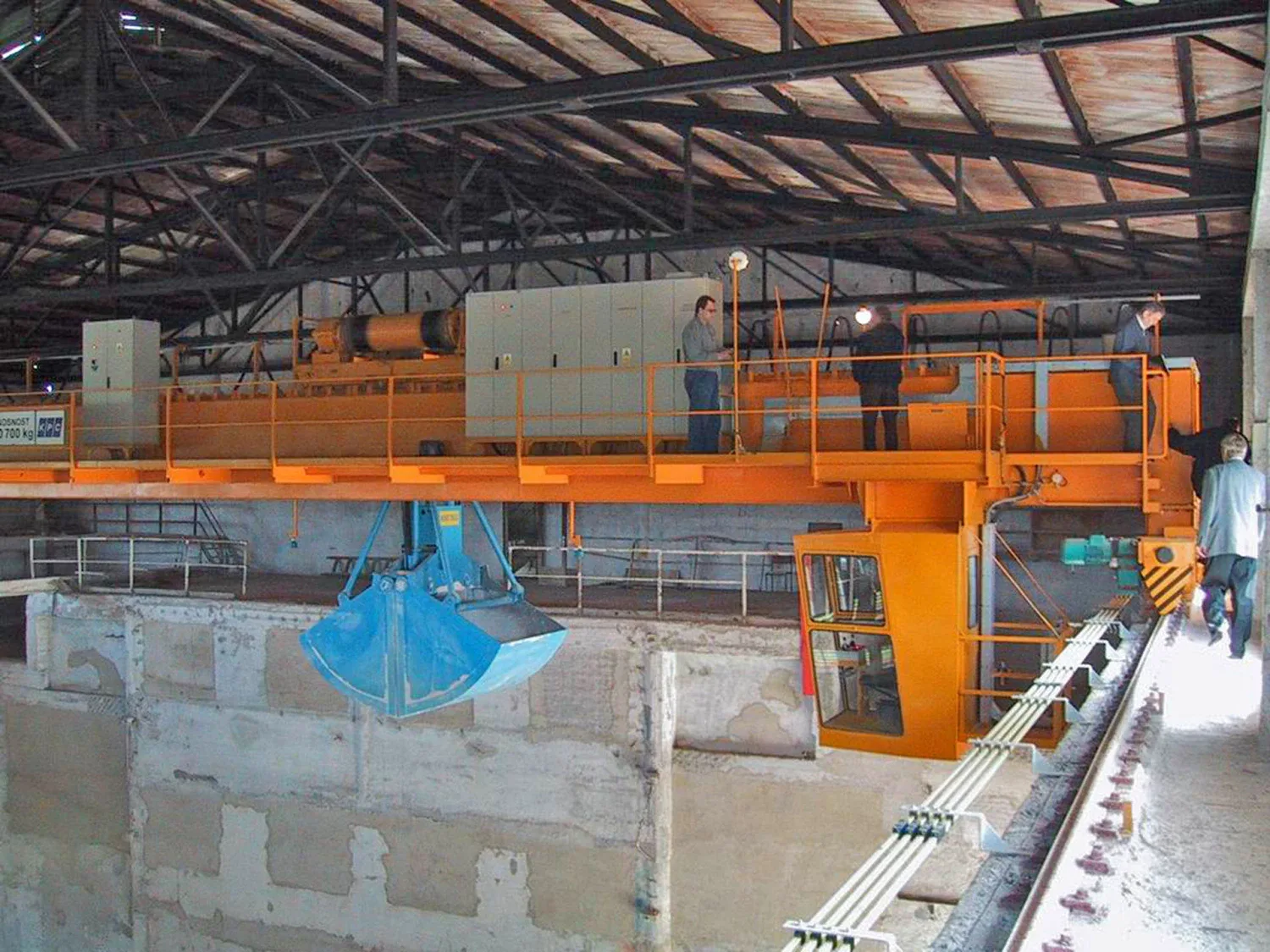
Cranes can be equipped with various types of crane crabs, hoists, hooks, beams, grabs, magnets, or other gripping devices. The choice of equipment depends on the material being handled in the operation and how precise or fast individual work tasks need to be. Handling steel structures requires a different design than handling castings, sheet metal, coils, or technological units.
Control can be provided by a pendant controller, radio remote control, or an operator's cabin. In the design, we consider operator safety, visibility of the work area, ergonomics, frequency of use, and requirements for precise load positioning. The solution can also include safety features, limit switches, load limiters, signalling, or other systems depending on the complexity of the operation.
Design according to hall, track and operation
When designing, it is necessary to consider not only the crane itself but also the condition and capabilities of the hall. Important factors include the supporting structure, the crane runway, the hook height, available handling space, and accessibility for installation and future servicing. If an overhead crane is being installed into an existing building, it is also advisable to check the technical condition of the structure and any need for modifications or reinforcement.
A correctly designed solution helps to limit unnecessary jolts, vibrations, travel inaccuracies, and excessive wear of components. For operations with higher intensity of use, it is also worthwhile to consider maintenance options, spare parts availability, and future upgrades. This allows the equipment to be operated safely and without unnecessary downtime in the long term.
Bespoke overhead cranes, including servicing
The delivery of a bridge crane can include design, production, assembly, commissioning, documentation, inspections, and subsequent servicing. In addition to new equipment, we also handle modernisation of existing cranes, component replacements, control system modifications, additions of safety features, or adaptation of equipment to new operational requirements.
A special group is made up of casting cranes designed for handling molten metal. These cranes often operate with very high load capacities and require exceptional emphasis on the safety, reliability, and durability of all structural and technological components. Whether you are dealing with an overhead crane for a new facility, upgrading existing equipment, or specific load handling, we will prepare a technical solution according to the actual conditions of your operation.
When preparing a solution, we also assess whether a new delivery, modernisation of existing equipment, or modification of selected parts is more suitable. In some operations, it may make sense to retain the functional structure and add only new controls, safety features, a hoist, or a gripping device. Such an approach can shorten downtime while improving reliability and operator comfort. Therefore, the design is always adapted to the actual operation, not just to tabular parameters.