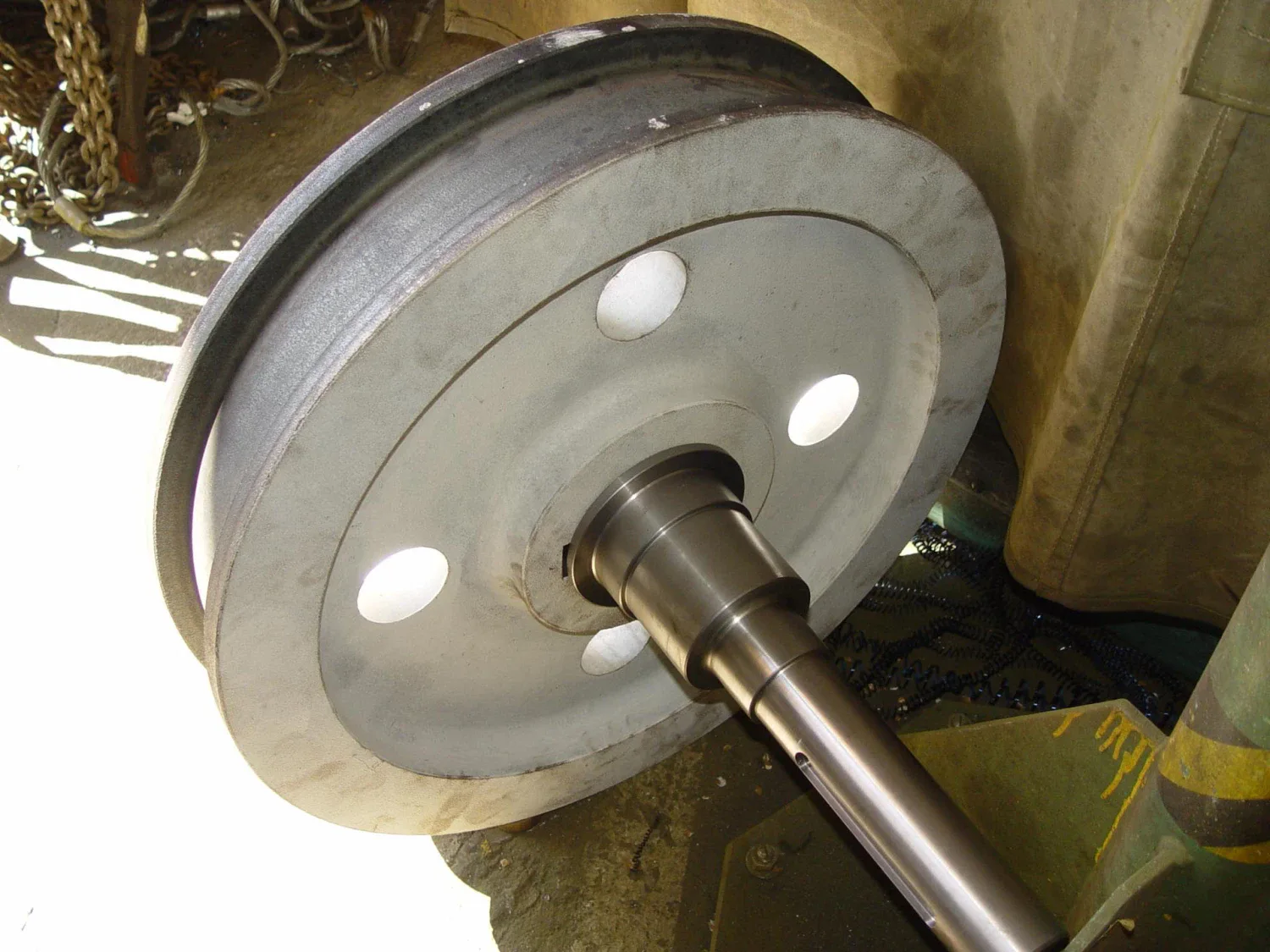
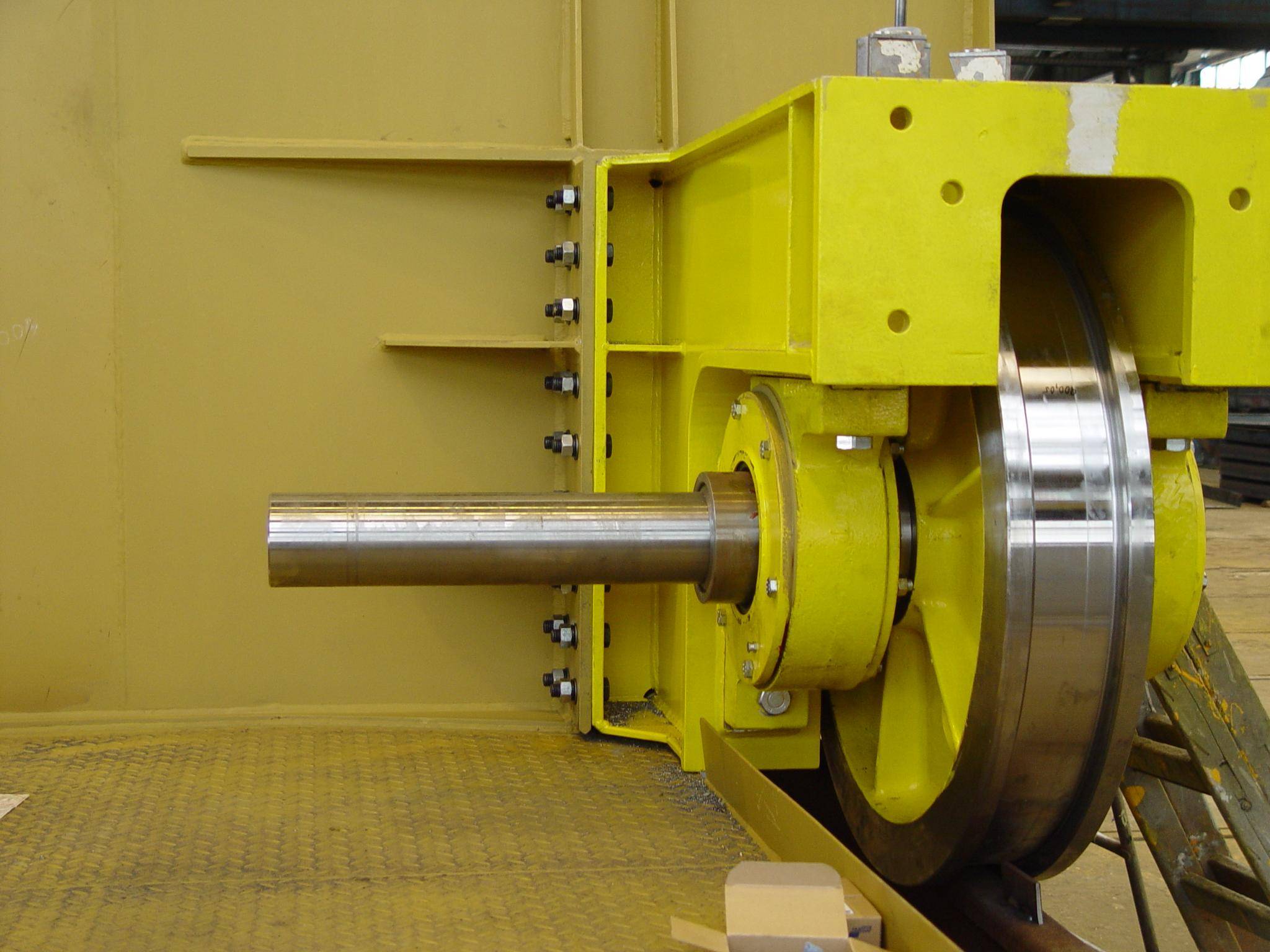
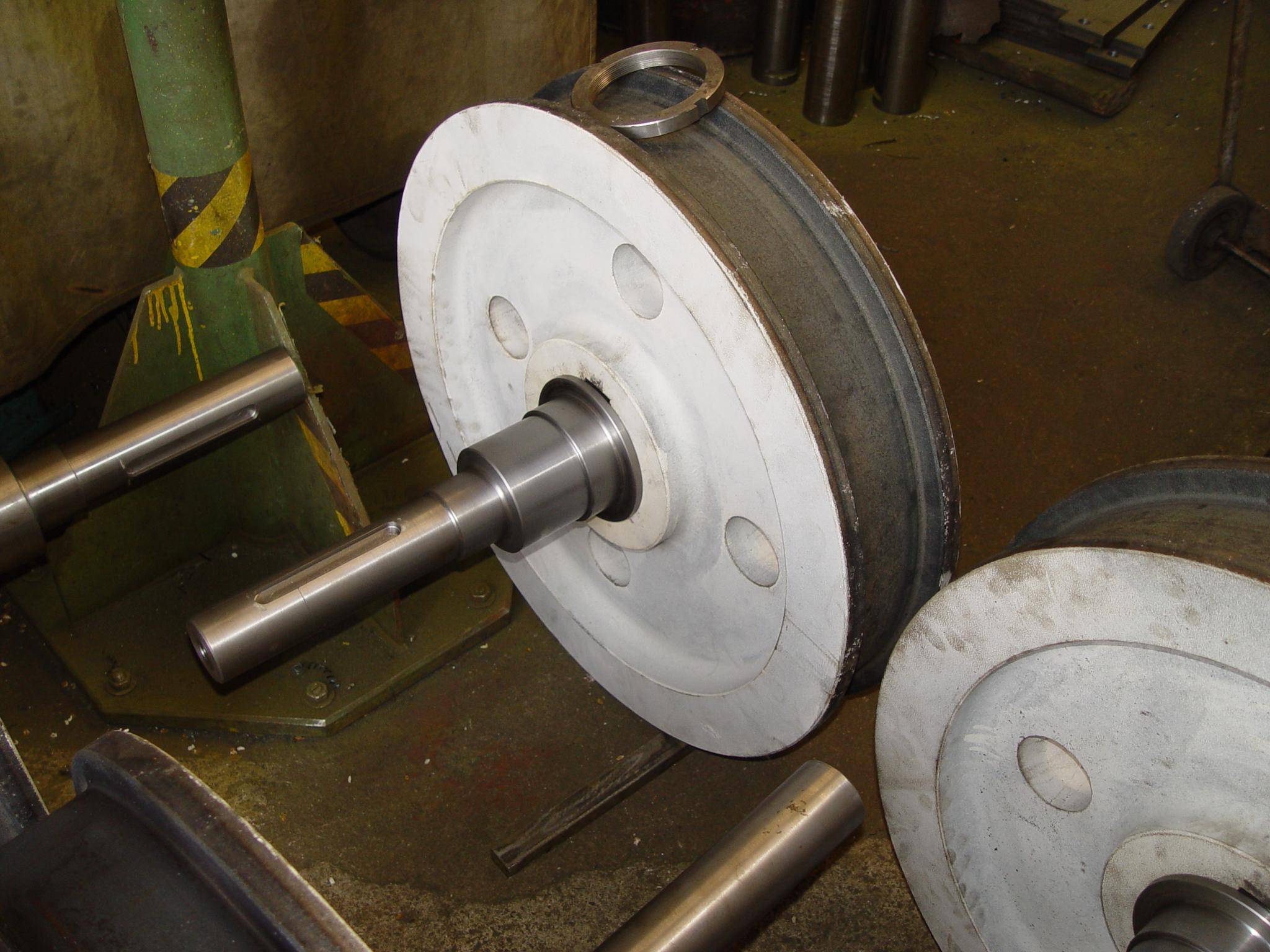
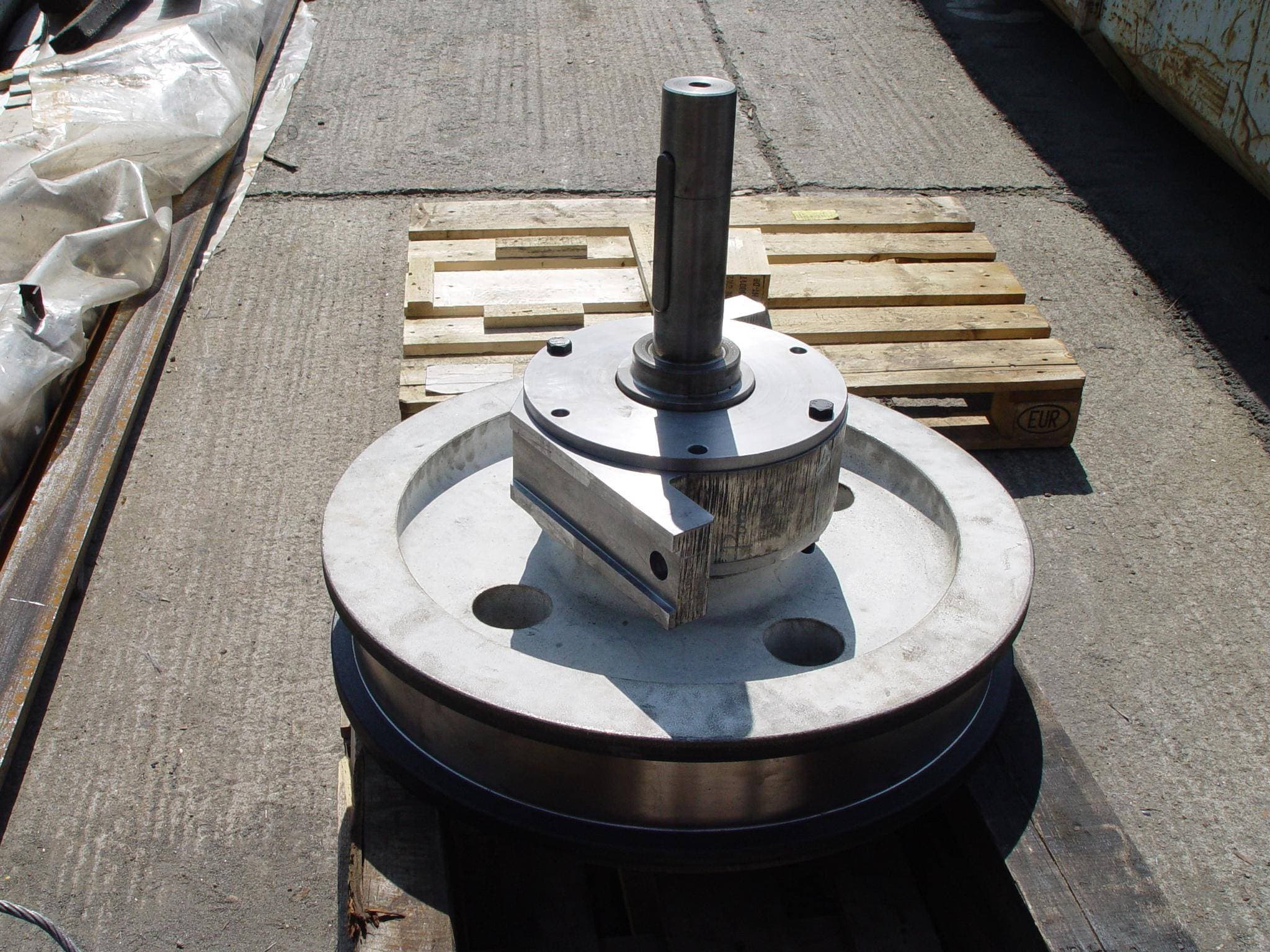
Crane Wheels for Overhead and Gantry Cranes
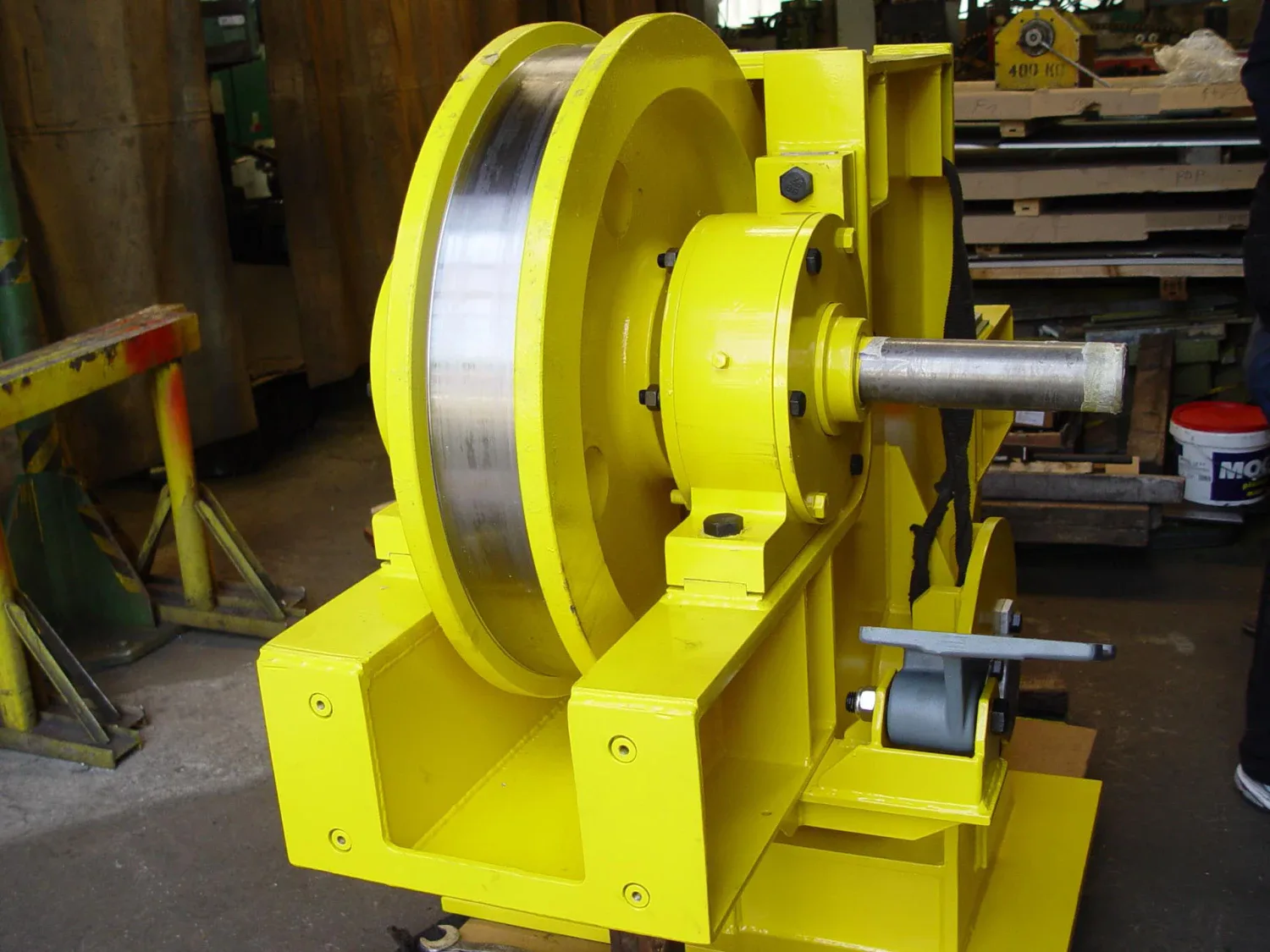
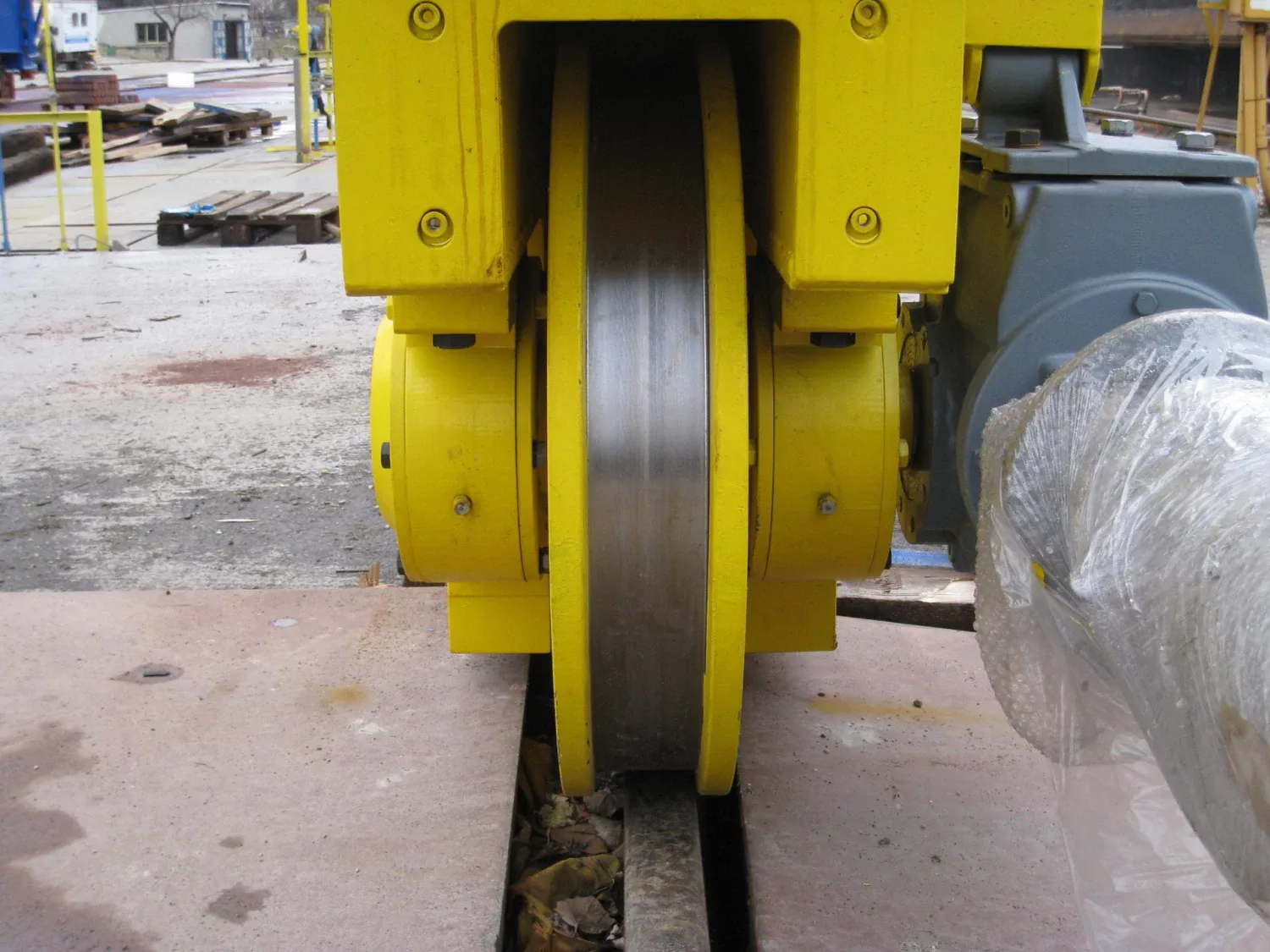
We supply crane wheels for overhead cranes, gantry cranes, and other types of lifting equipment, both as components of new crane systems and as replacement parts for modernization, refurbishment, and repair projects. Depending on the application, the wheels may be configured as either driven or non-driven. For driven wheels, proper integration with the drive unit, gearbox, braking system, and crane end carriage is essential to ensure reliable and efficient operation. For non-driven wheels, the primary considerations are precise mounting, high-quality bearing assemblies, and accurate guidance along the crane runway rails.
For every wheel replacement, we assess whether the issue is the result of normal wear or caused by another problem within the crane travel system. Excessive flange wear, uneven tread wear, operating noise, or vibration may indicate issues such as improper runway geometry, incorrect alignment, structural deformation, or unsuitable loading conditions. In such cases, simply replacing the wheel may not provide a long-term solution unless the underlying cause is also identified and corrected.
Manufacture, Refurbishment, and Replacement of Crane Wheels
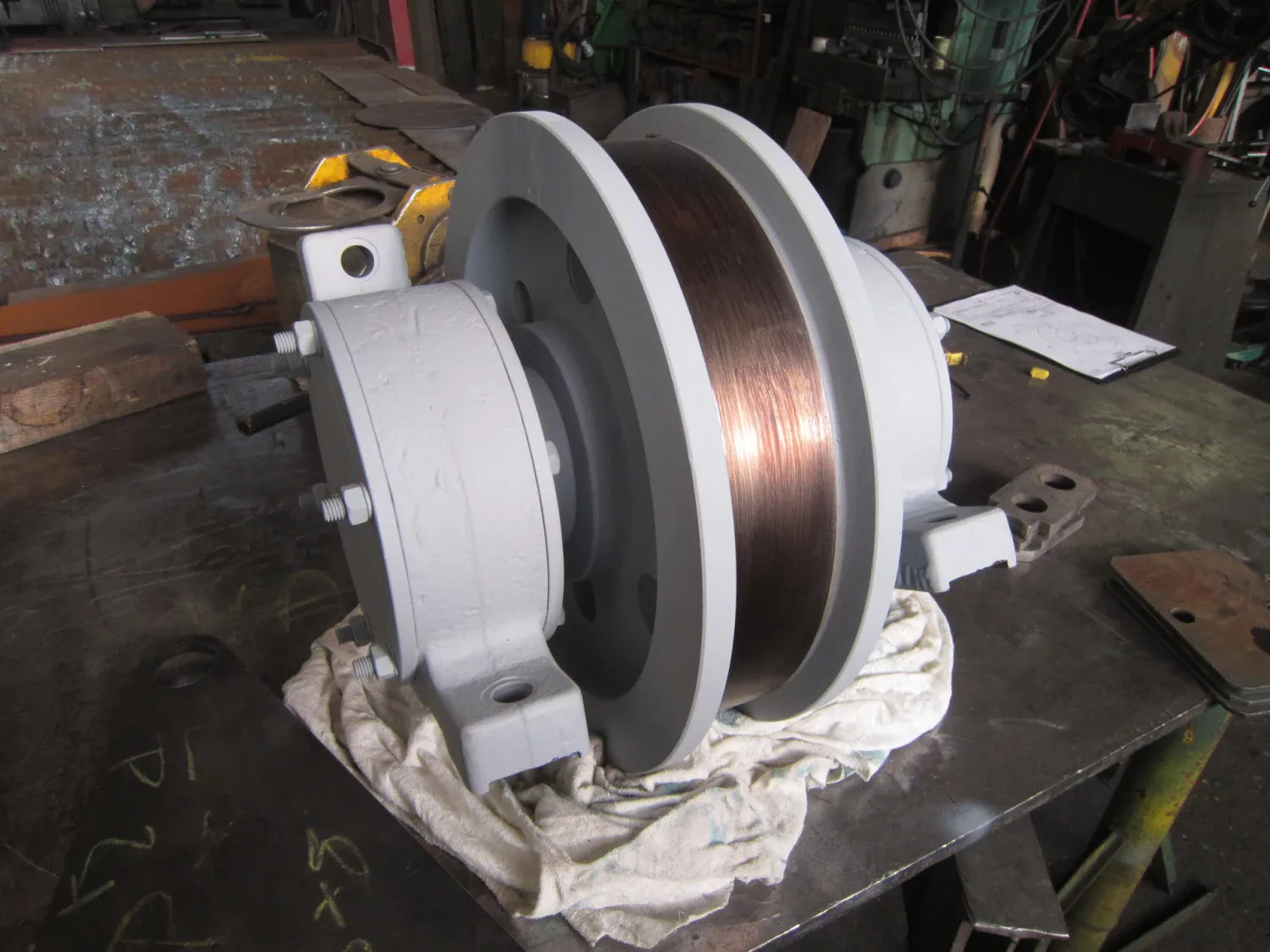
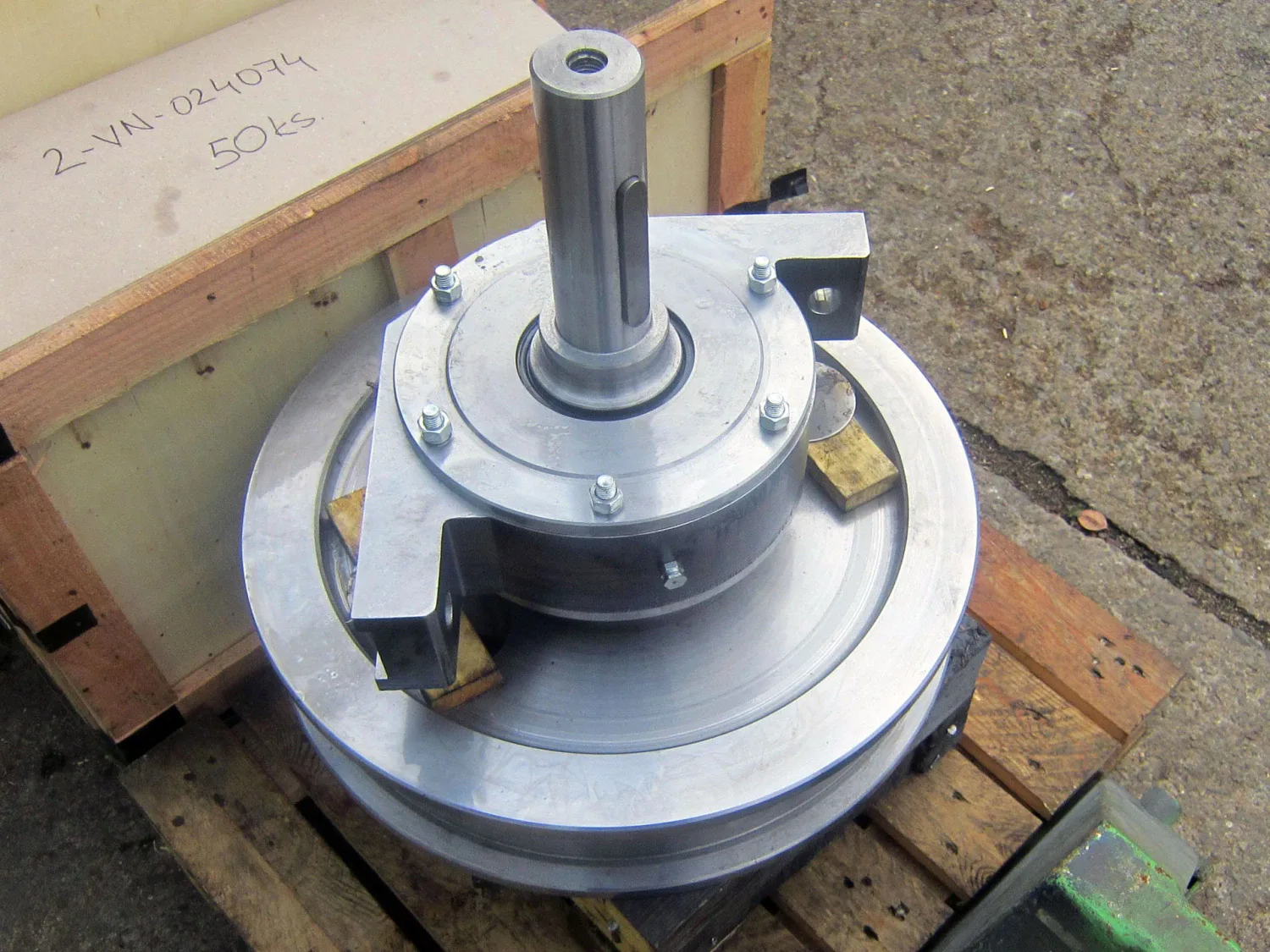
We manufacture and supply crane wheels to match the technical specifications of each individual crane. Our engineering process considers wheel dimensions, tread profile, material grade, hardness, bearing arrangement, compatibility with existing bearing assemblies, and installation within the existing crane end carriage. For older cranes, we evaluate the condition of the equipment to determine whether manufacturing new wheels, refurbishing the existing ones, or carrying out a more comprehensive upgrade of the travel assembly is the most appropriate solution.
During refurbishment or replacement, it is equally important to inspect the associated components of the travel system. This includes evaluating the condition of shafts, bearings, brakes, gearbox components, lubrication systems, the crane runway, and the rail fastening system. If any of these components are not functioning correctly, a newly installed wheel may quickly develop the same type of wear. For this reason, a comprehensive technical assessment is particularly valuable for cranes experiencing recurring travel-related problems.
Long-Term Reliability of the Crane Travel System
Properly engineered and correctly installed crane wheels contribute to smooth crane travel, more accurate load positioning, and reduced stress on the crane structure. In applications with intensive operating cycles, regular condition monitoring is recommended, with particular attention given to the tread profile, wheel flanges, bearing clearances, operating noise, and any changes in crane behavior during acceleration or braking.
We supply crane wheels together with technical assessment, engineering recommendations, and the selection of the most suitable wheel design for your application. Whether you are dealing with wheel wear, excessive operating noise, vibration, irregular crane travel, or a planned crane modernization, we will develop a solution based on the actual condition of the equipment, the operating environment, and the requirements for safe, reliable, long-term operation.
For outdoor gantry cranes, additional consideration must be given to moisture, contamination, temperature fluctuations, and the condition of crane rails exposed to weather conditions. Indoor overhead cranes, on the other hand, typically require quiet operation, precise positioning, and minimal maintenance. Based on the operating environment, we select the most appropriate wheel design and materials to match the actual loading conditions and the way the crane is used.
Our engineering recommendations may also include an assessment of whether the original travel system design should be retained or whether the entire assembly should be upgraded to better suit current operating requirements. In older crane installations, the weight of handled loads, frequency of operation, or duty cycle often changes over time. As a result, the original crane wheels may remain technically functional but no longer provide the optimal solution for today's operating conditions. In such cases, it is advisable to evaluate not only the wheels themselves but also the sizing of the crane end carriages, the condition of the runway rails, the braking system, and the overall runway geometry. This comprehensive approach helps identify the root causes of recurring issues and enables the implementation of a solution that extends the service life and improves the long-term reliability of the entire crane travel system.
With every project, we also consider practical installation and future maintenance requirements. Crane wheels are designed and selected to allow safe replacement, inspection, and servicing without unnecessary dismantling or extensive intervention in the crane structure. This approach helps reduce maintenance time, minimize downtime, and ensure efficient long-term operation.