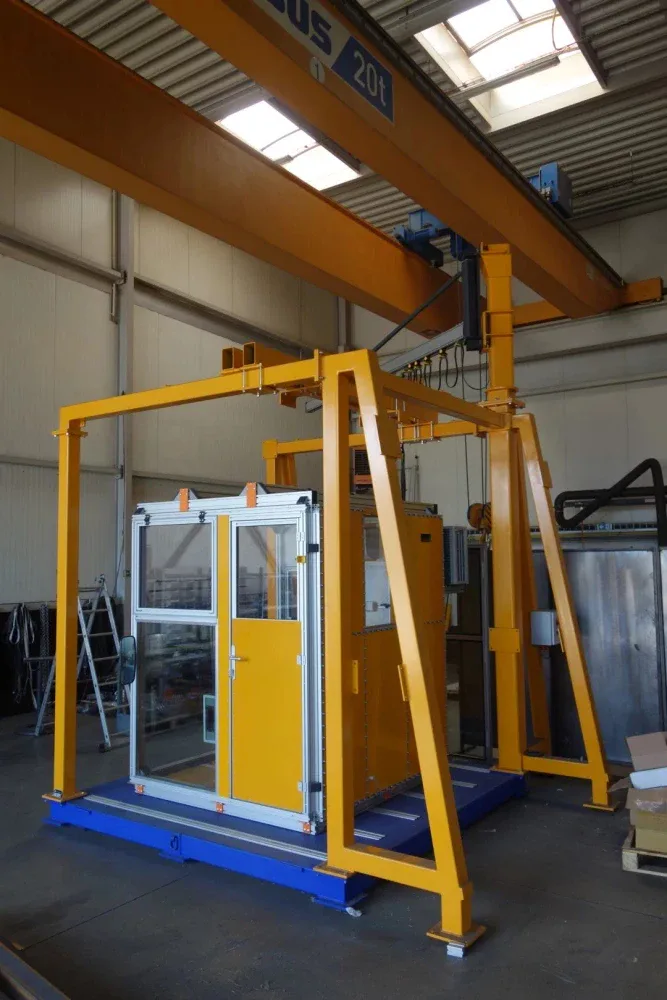
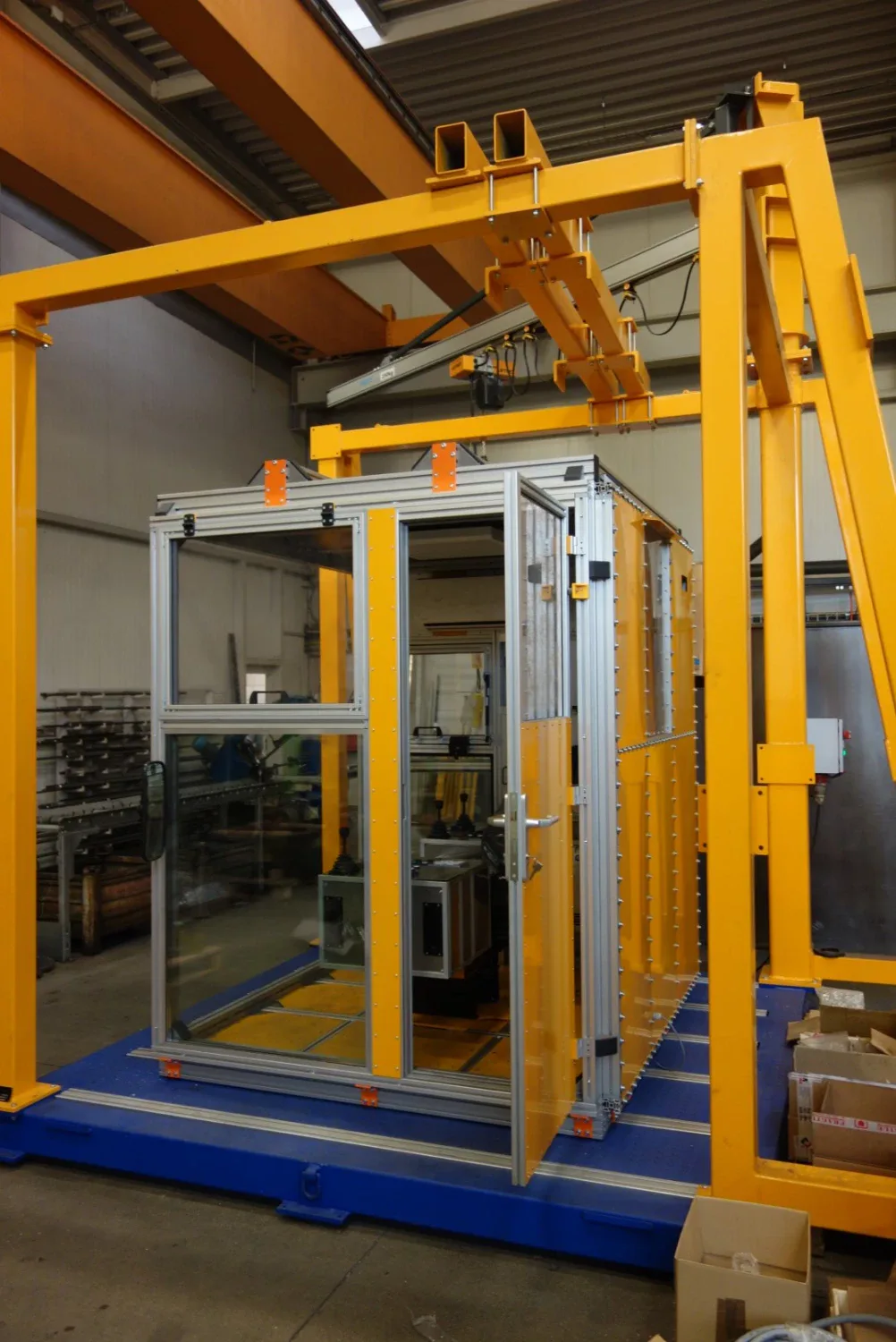
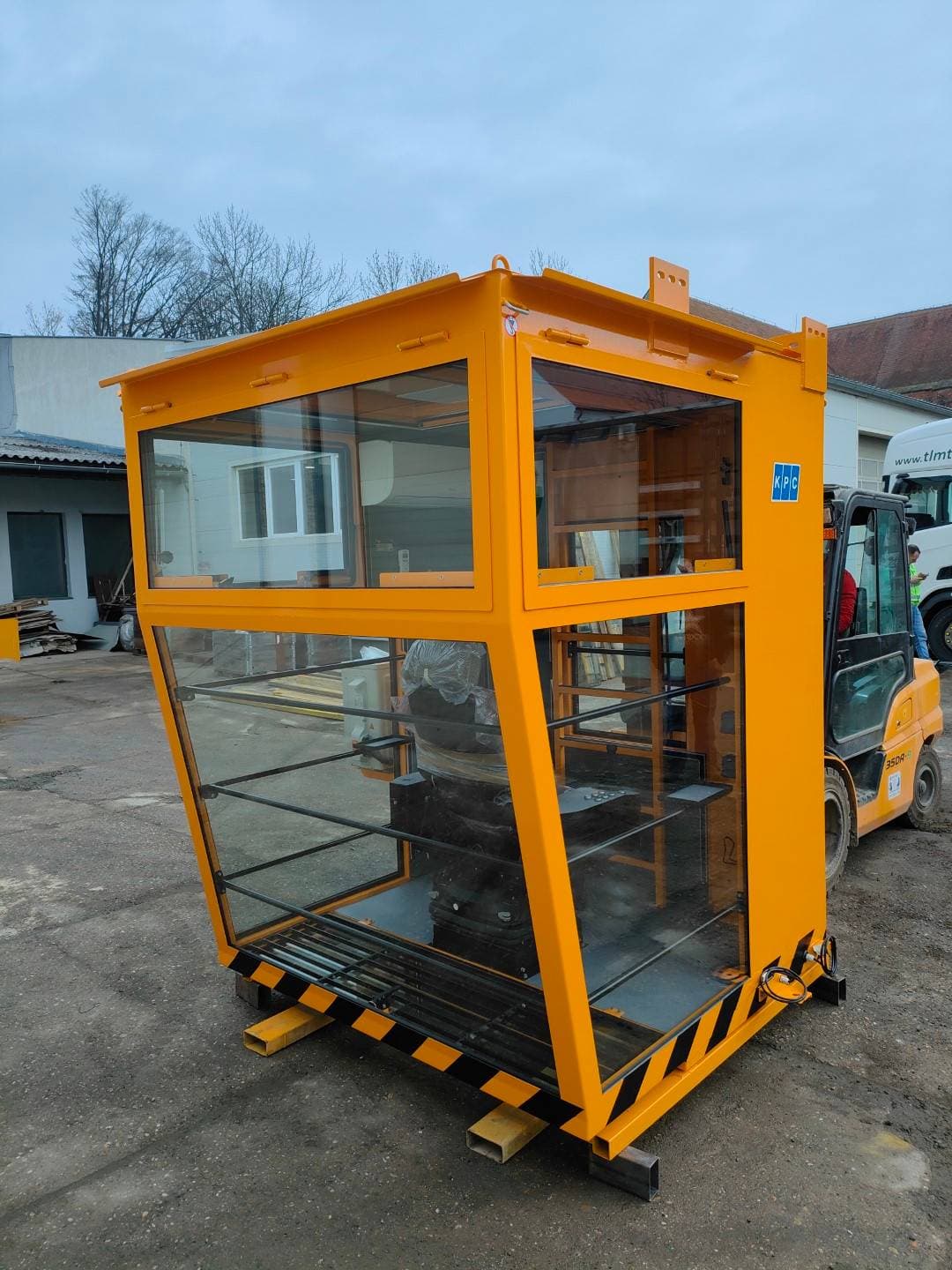
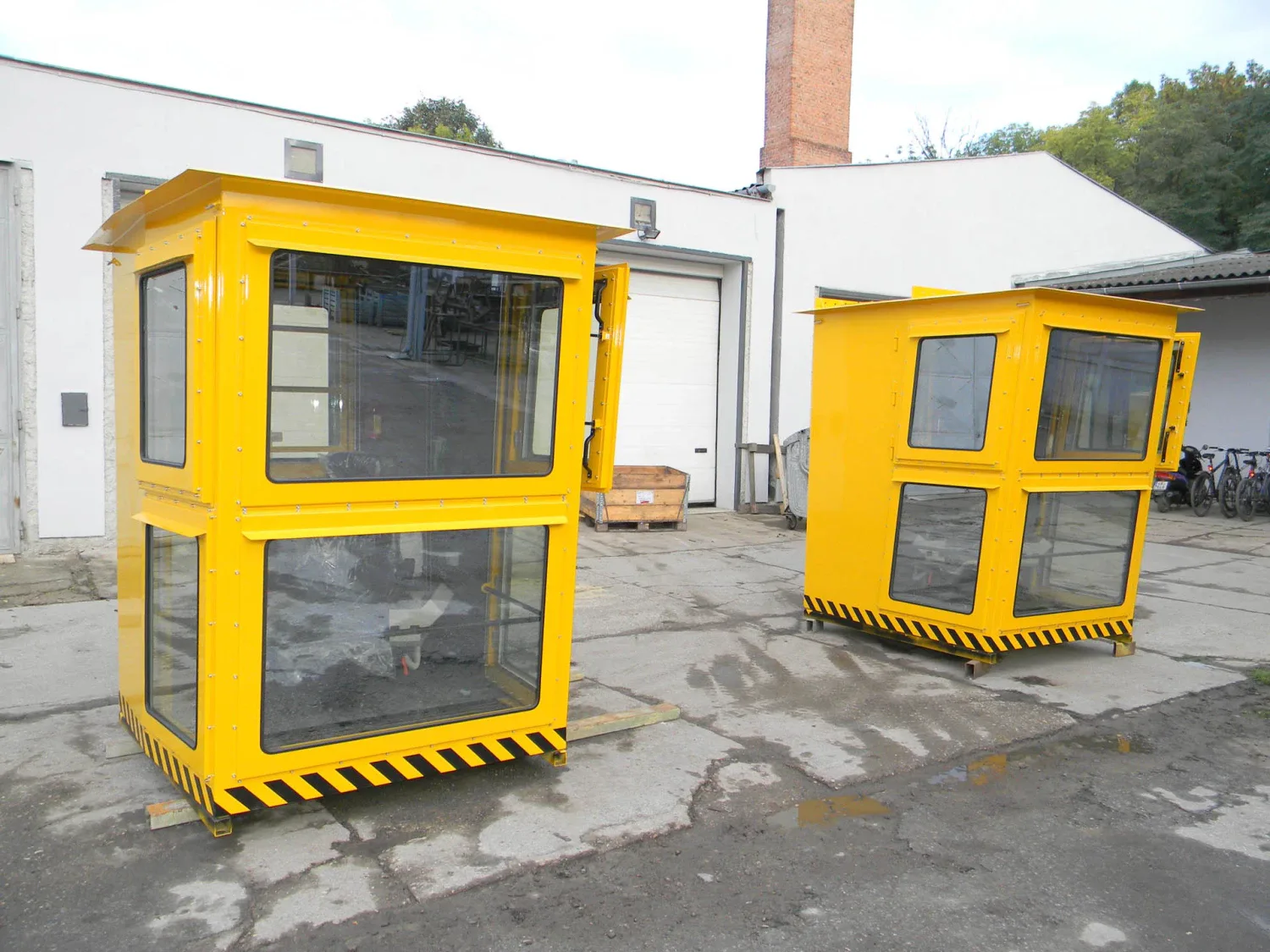
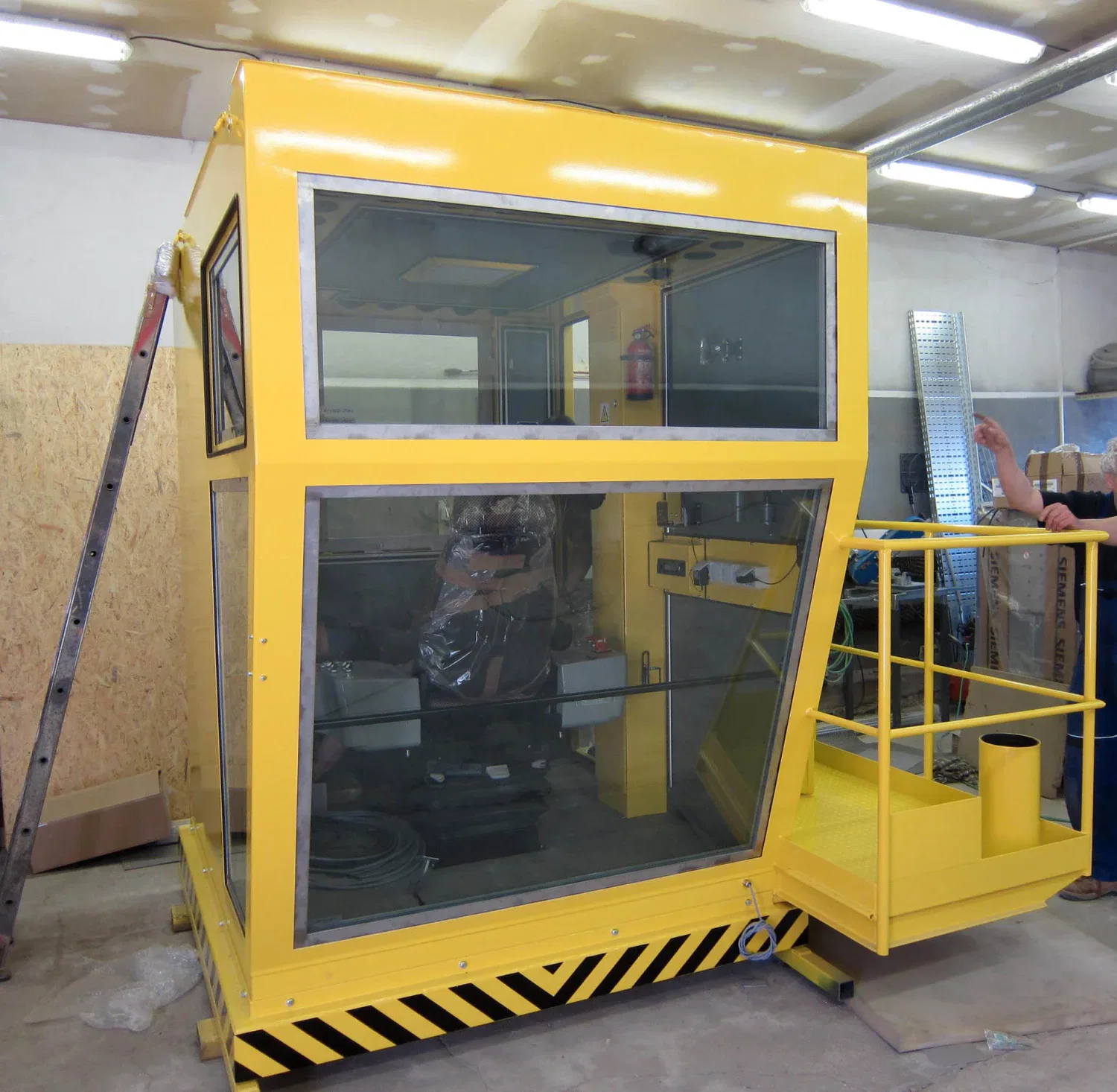
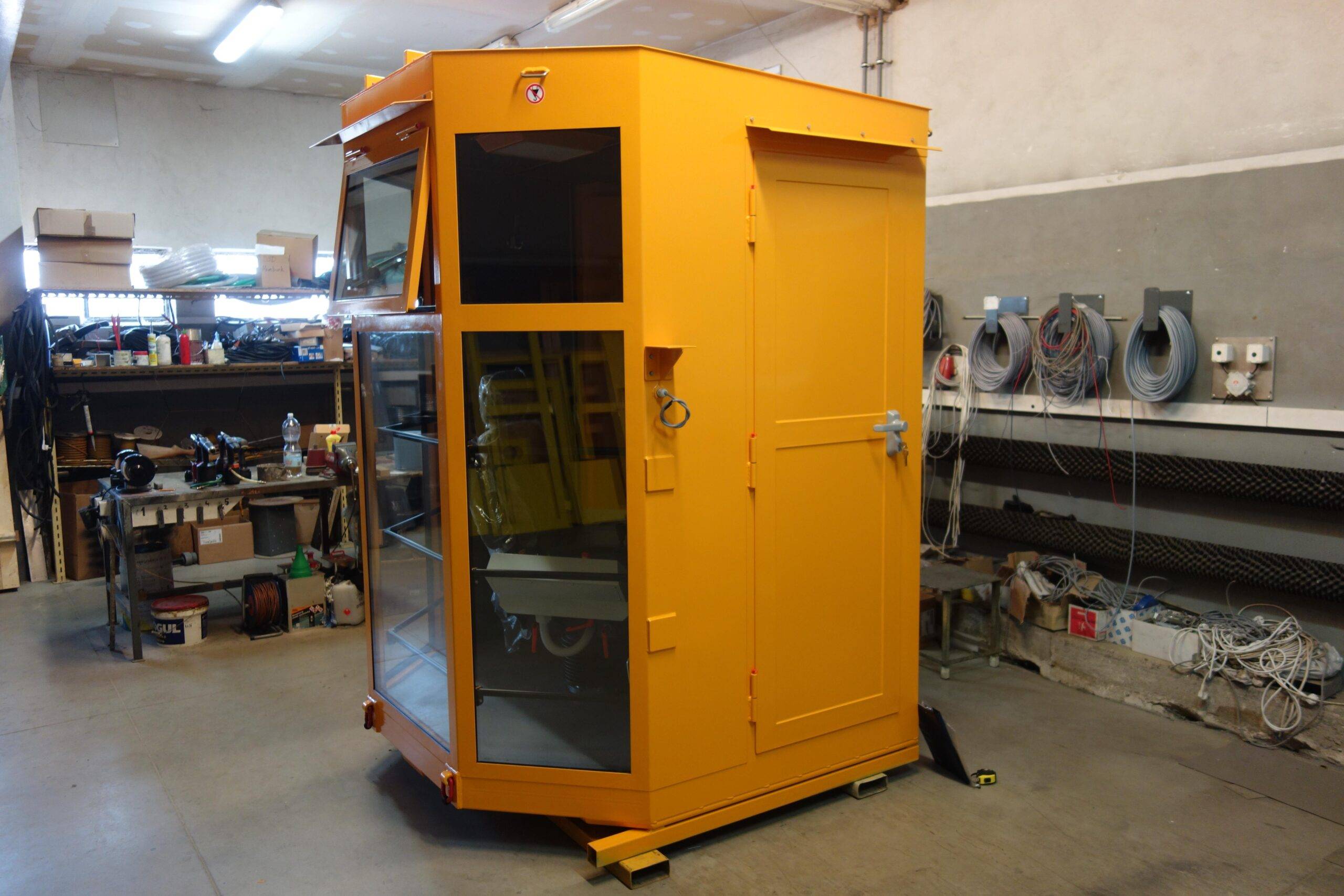
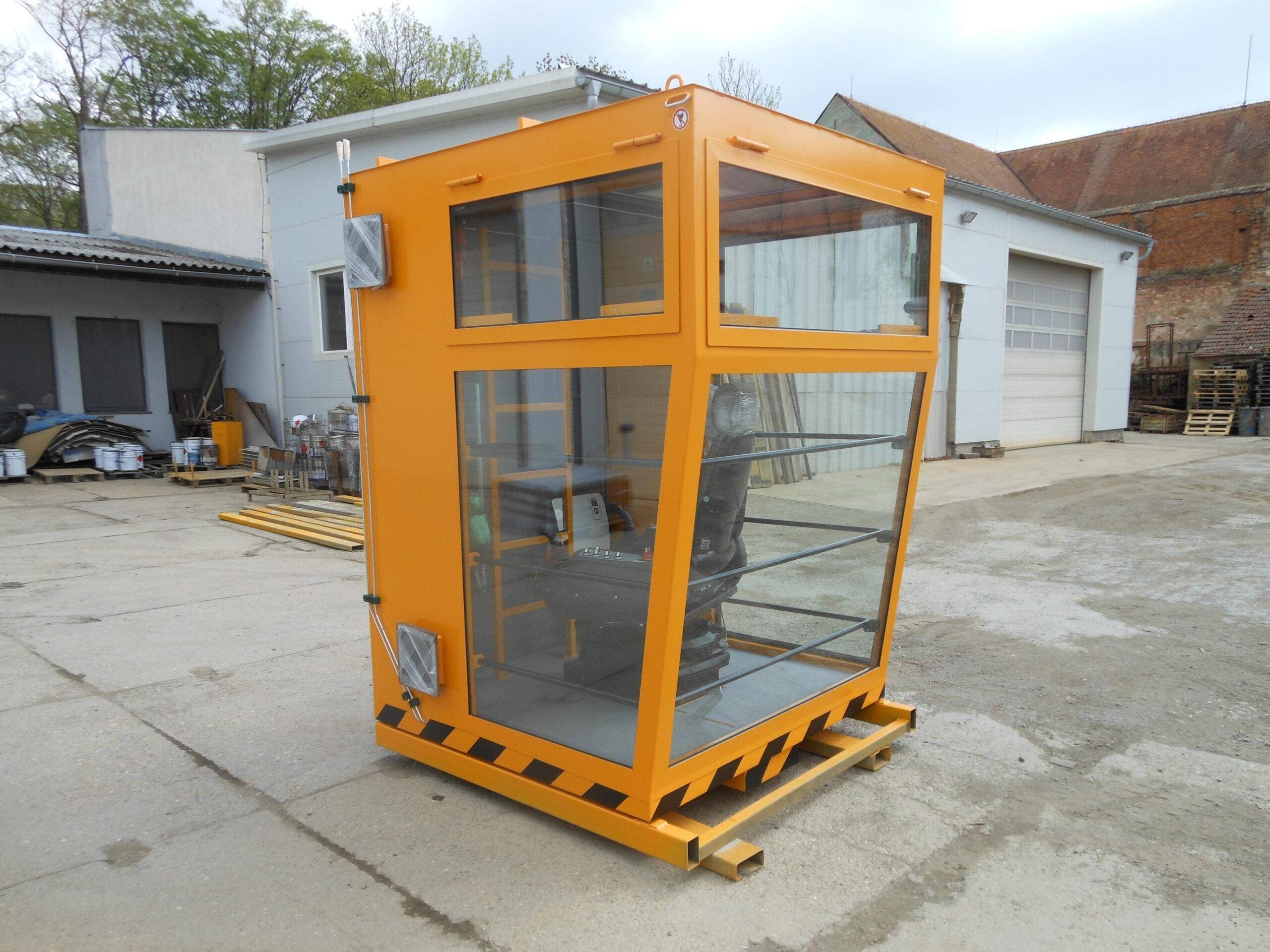
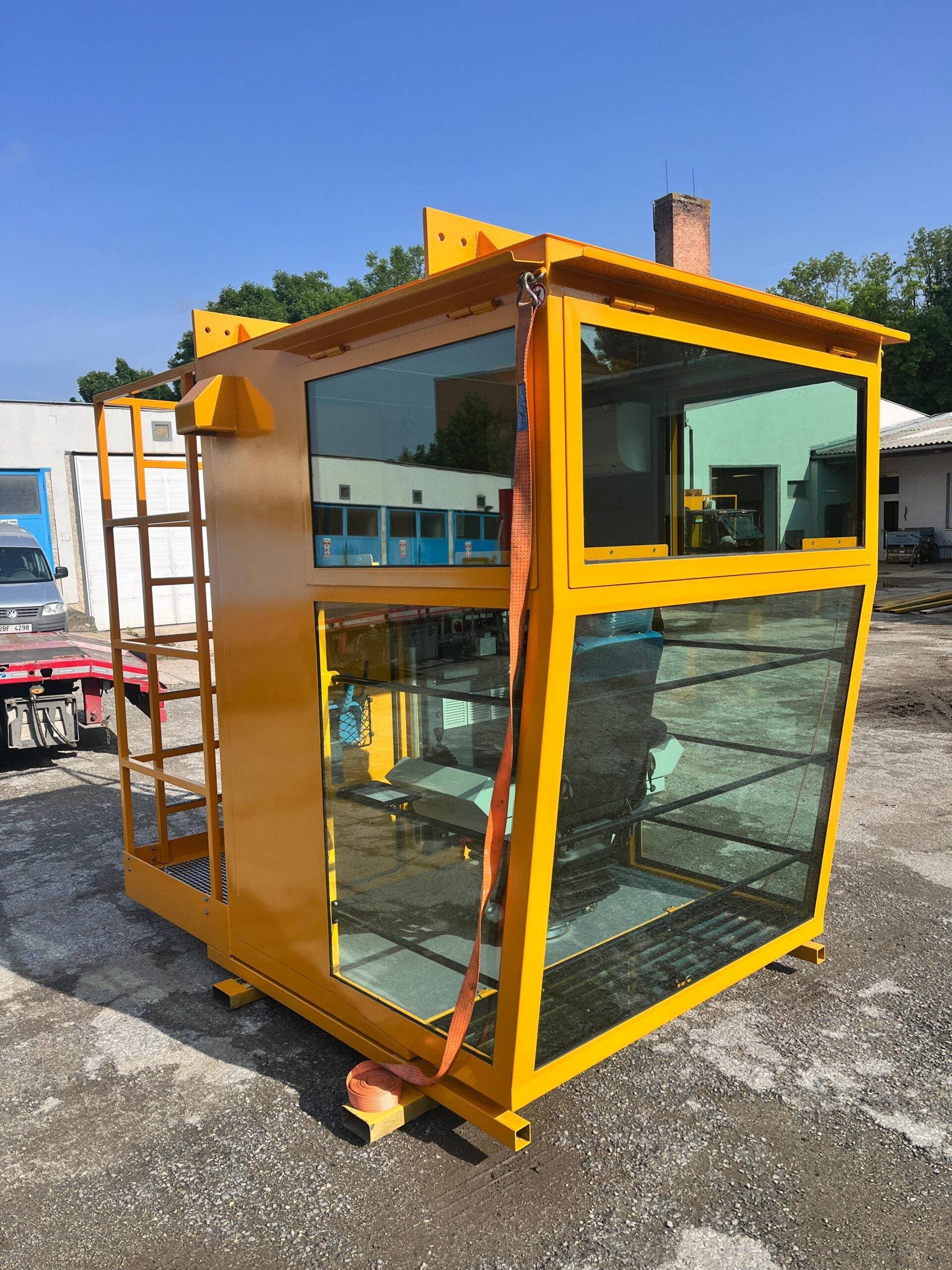
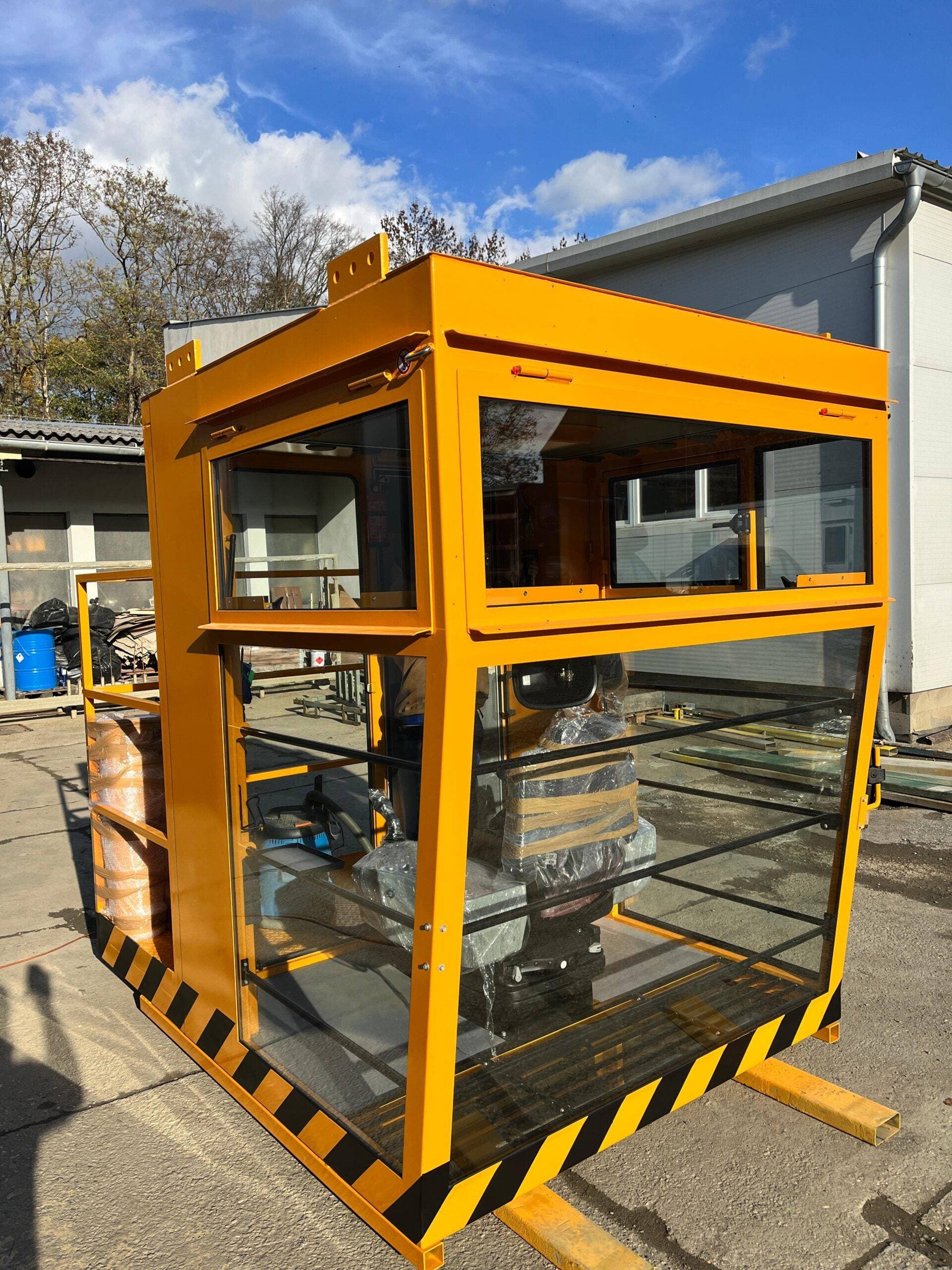
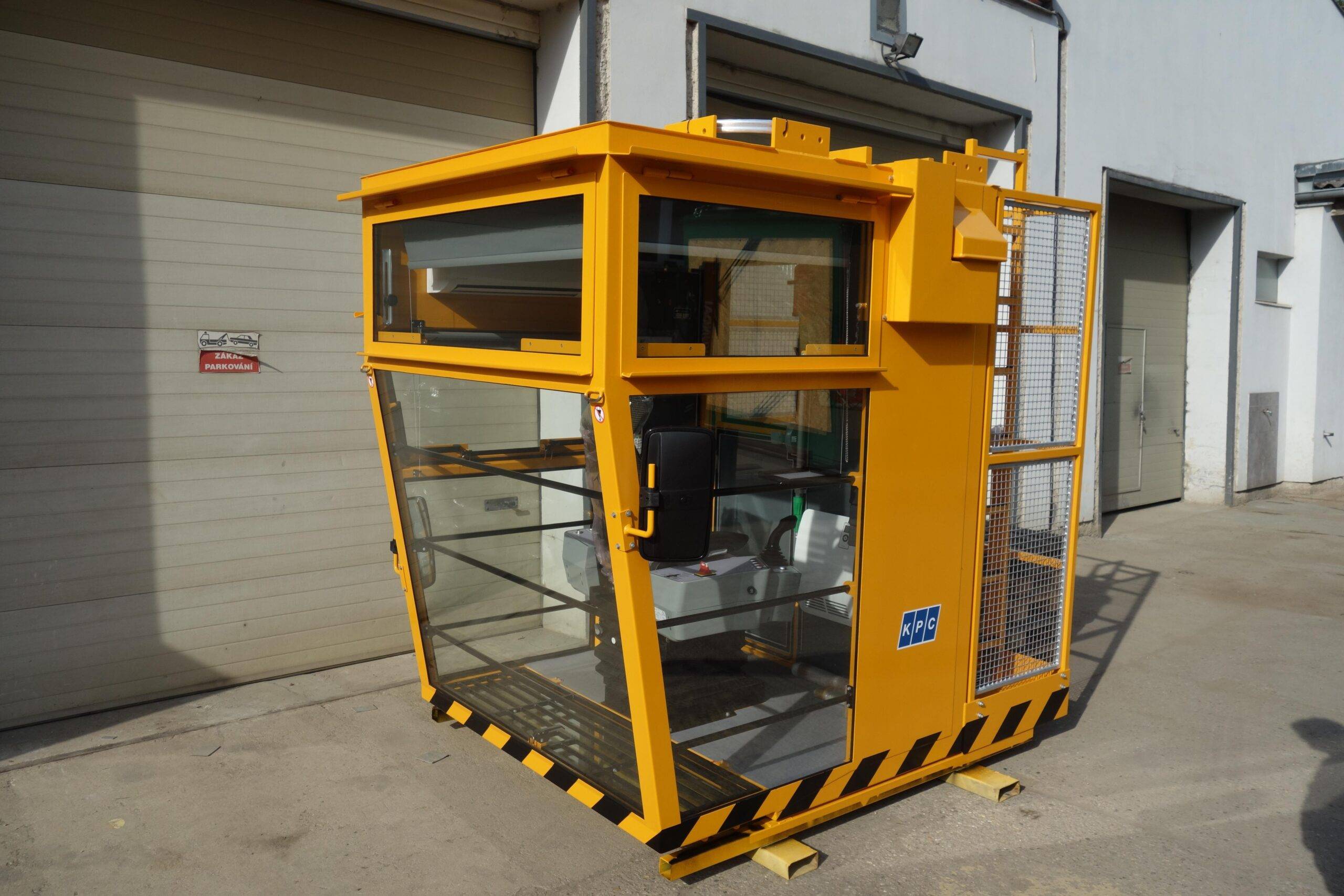
Standard lightweight crane operator cabins are primarily designed for general industrial applications, both indoors and on outdoor cranes, where good visibility, operator protection, and a comfortable working environment are essential for everyday material handling. The cabin design is tailored to the specific crane type, working area, control system, and the requirements for safe and convenient operator access.
For indoor applications, crane operator cabins are typically fitted with single glazing, while outdoor installations generally require double glazing combined with heating, ventilation, or air conditioning. Outdoor cabins can also be equipped with rainwater drainage systems, windscreen wipers and washers, and sun blinds. These features help maintain clear visibility during rain, temperature fluctuations, and direct sunlight, ensuring safe and efficient crane operation under varying environmental conditions.
We design crane operator cabins to integrate seamlessly with the specific crane structure while providing the operator with a safe, functional, and ergonomically organized workstation. Equal emphasis is placed on maintenance accessibility, allowing straightforward inspection and servicing of the glazing, doors, electrical systems, heating, ventilation, and control equipment.
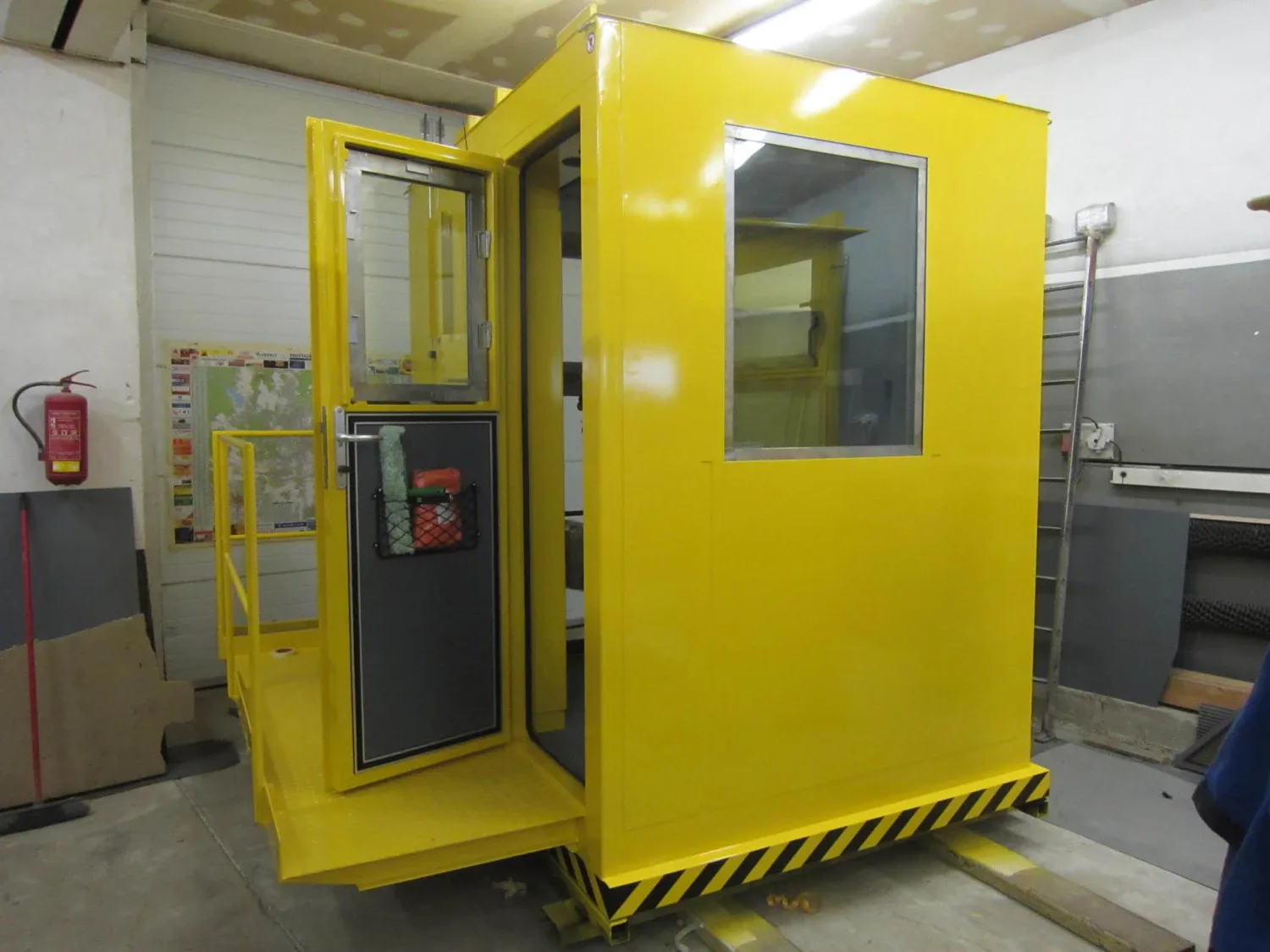
We design specialized crane operator cabins for applications with demanding or extreme operating conditions where operator safety and long-term durability are the highest priorities. Typical applications include steelworks, foundries, ladle cranes, and other industrial environments characterized by high temperatures, radiant heat, dust, airborne contaminants, or an increased risk of mechanical damage.
For casting cranes, we provide enhanced protection against molten metal splashes, while cabins used in slab or bloom handling areas are equipped with reinforced thermal insulation, radiant heat shields, and carefully designed protection for exposed surfaces. Depending on the operating environment, the cabin can also be fitted with additional safety and thermal shields, heavy-duty safety glazing, camera systems, air conditioning, ventilation, and other features that improve operator protection and enhance visibility and control during load handling.
For specialized crane operator cabins, it is essential to consider not only the cabin structure itself but also its position on the crane, operator sightlines, access arrangements, maintenance accessibility, and integration with the crane control system. The objective is to create an operator workstation capable of withstanding demanding industrial environments while enabling the crane operator to work safely, accurately, and efficiently.
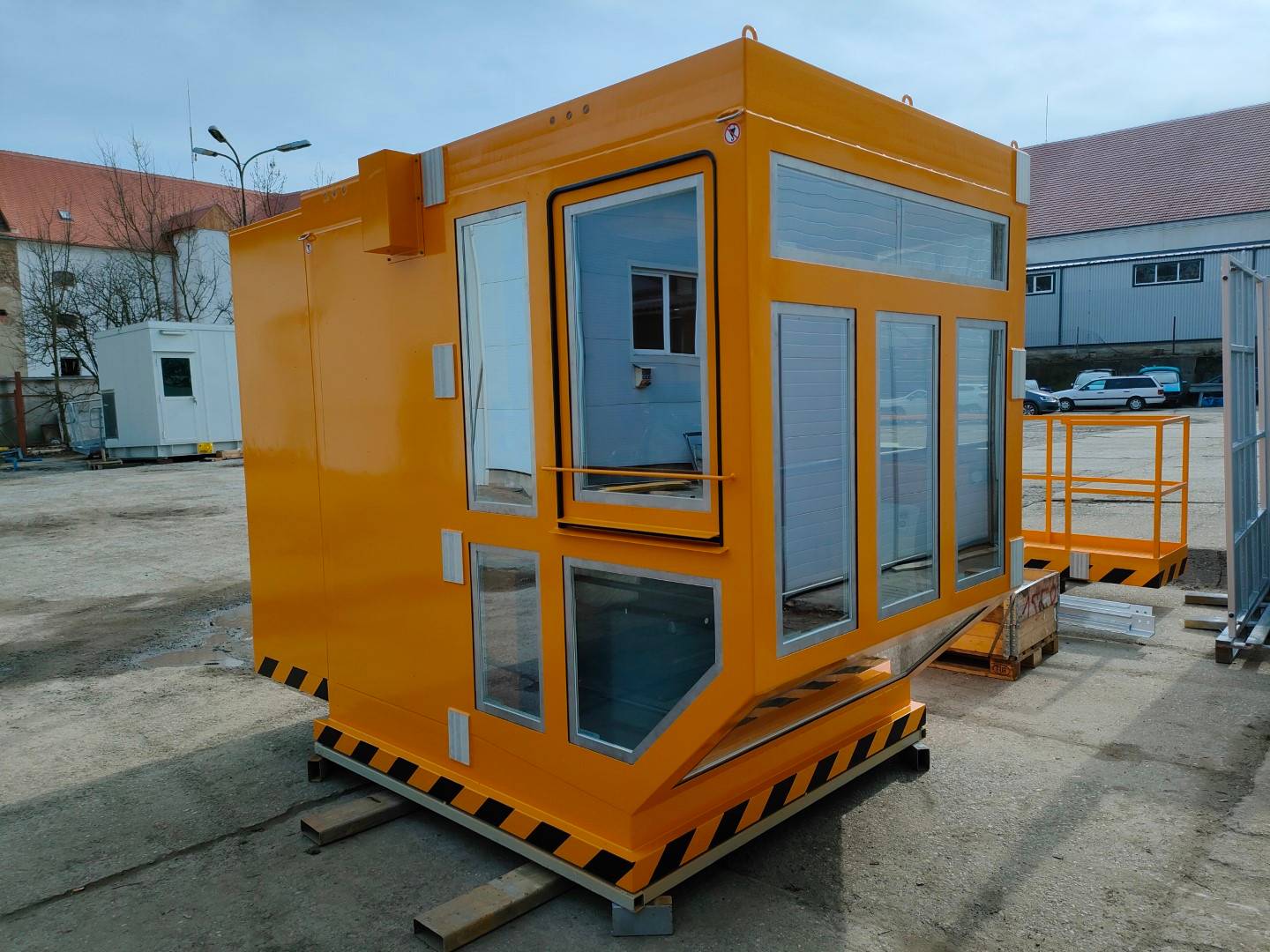
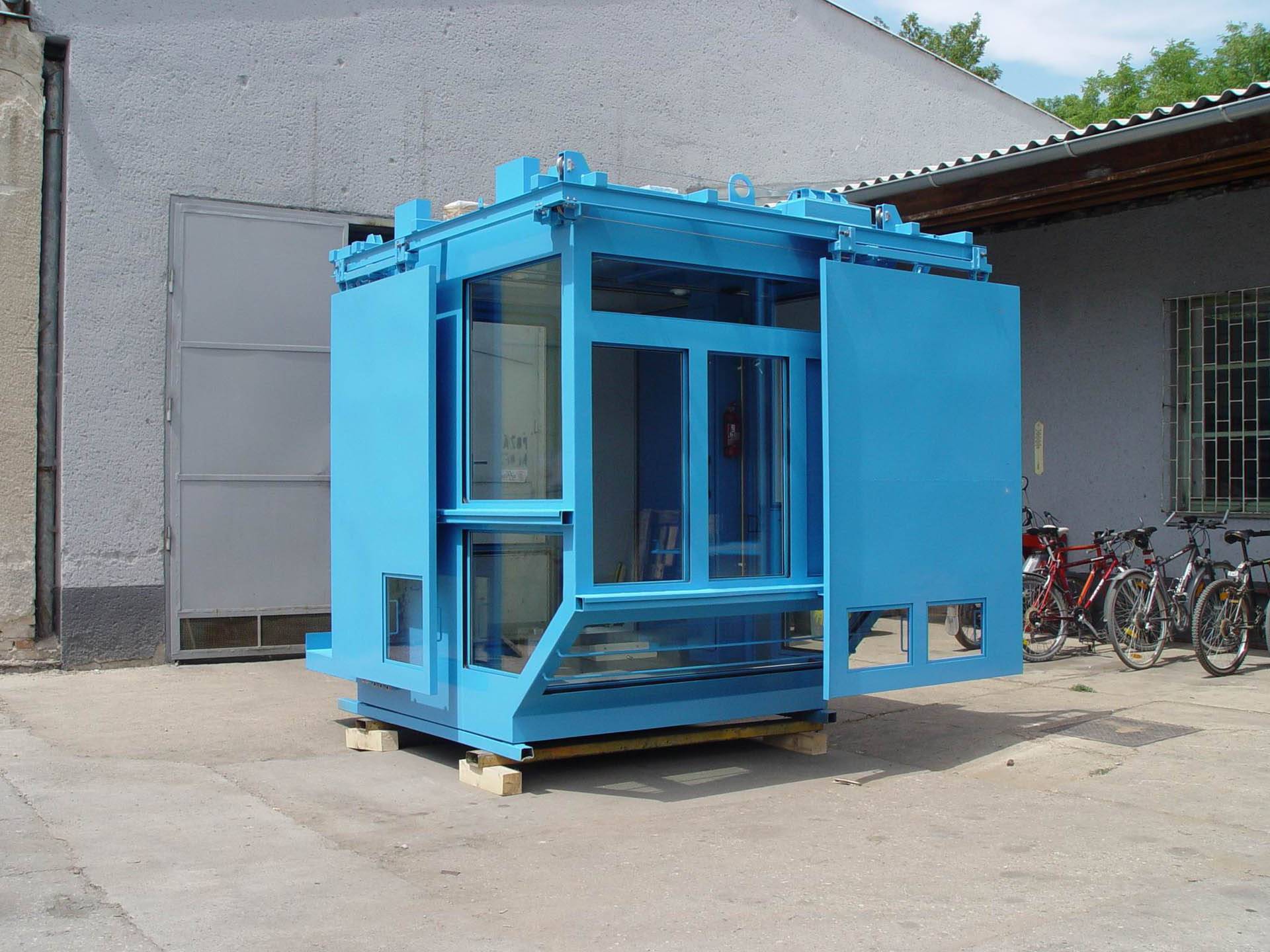

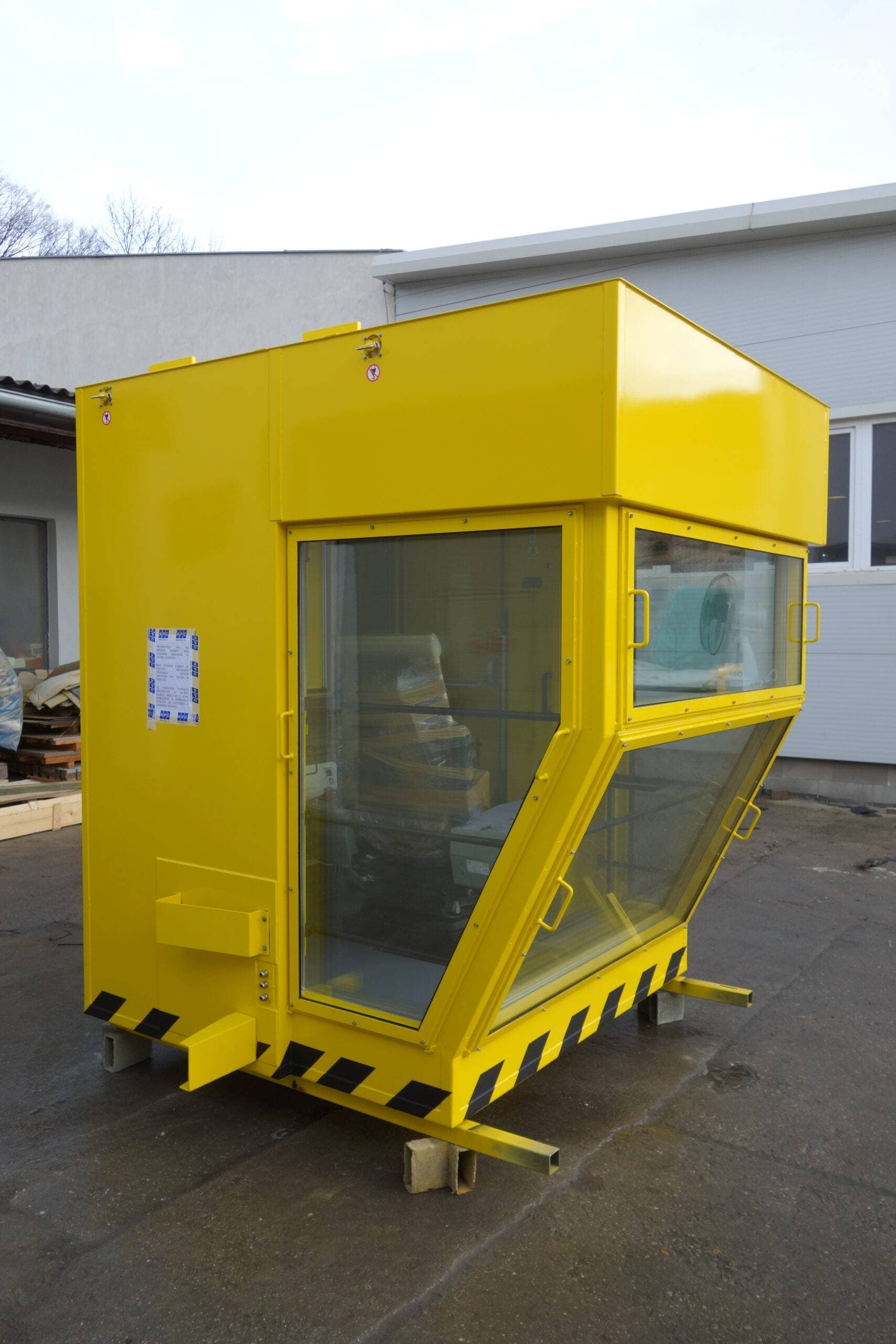
The new modular crane operator cabin is based on a modular construction concept. Individual cabin sections are assembled from standardized modules, which together form a complete cabin tailored to the customer's specific requirements. As operational needs evolve, the cabin can be reconfigured, modified, or expanded with additional modules and features, providing a flexible solution that can be adapted to future changes in the operating environment.
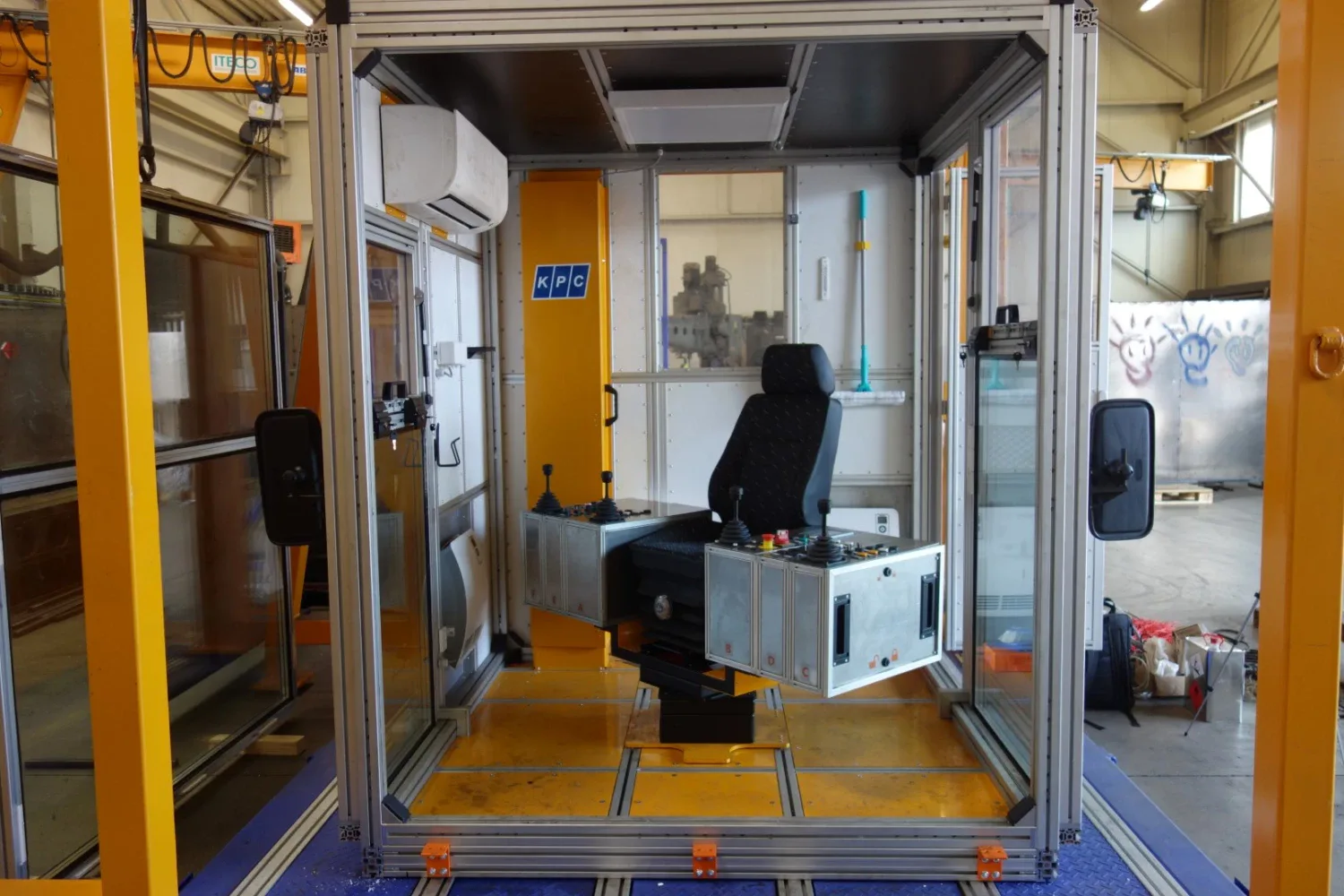
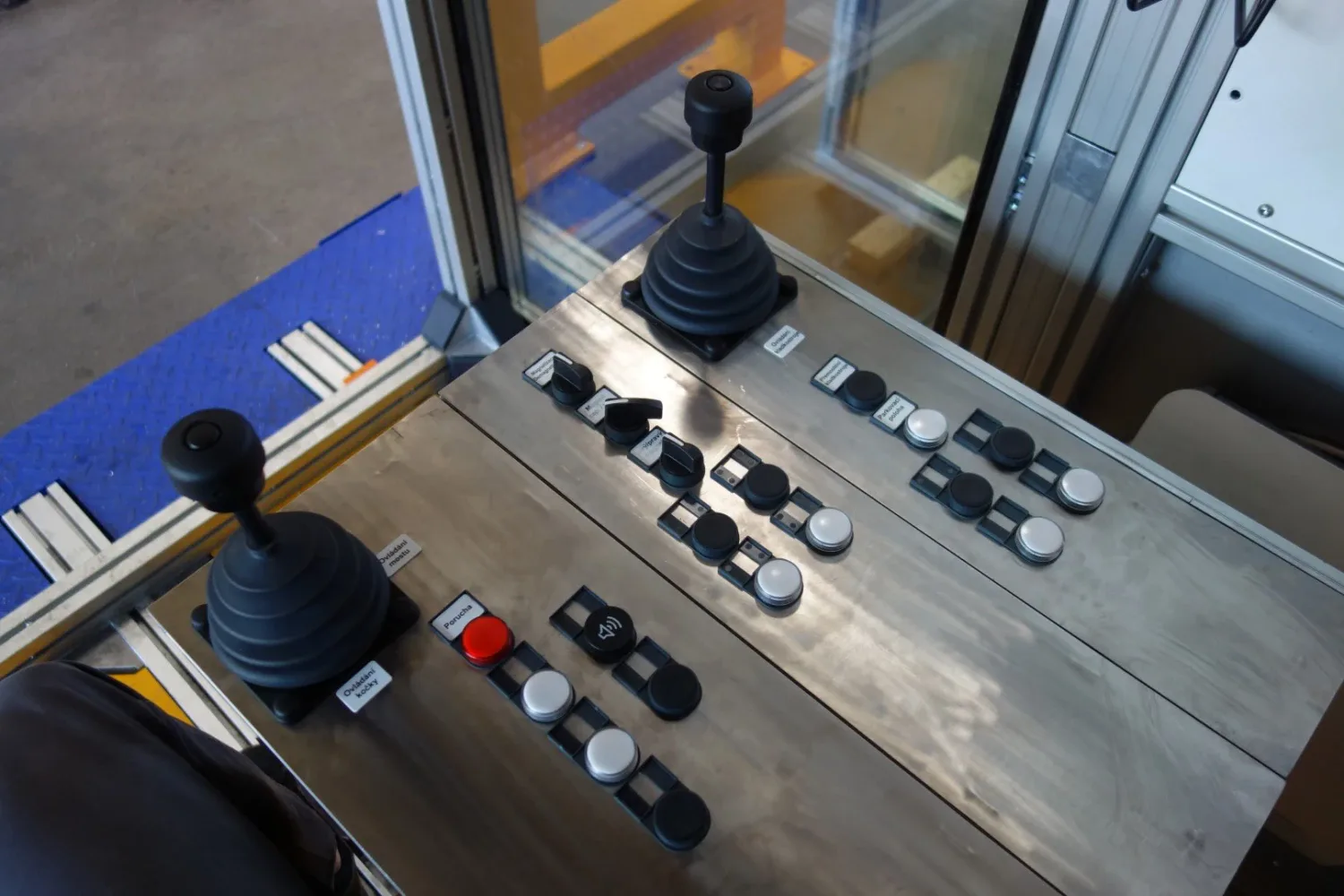
Segmented operator control consoles allow complete flexibility in the configuration and arrangement of control devices within individual console sections. This enables the operator workstation to be tailored to the specific crane control philosophy, operator preferences, and the requirements of the material handling application. Ergonomic design is particularly important in operations where crane operators spend long shifts in the cabin and require all controls to be clearly arranged and comfortably within reach, helping to improve efficiency, reduce fatigue, and support safe crane operation.
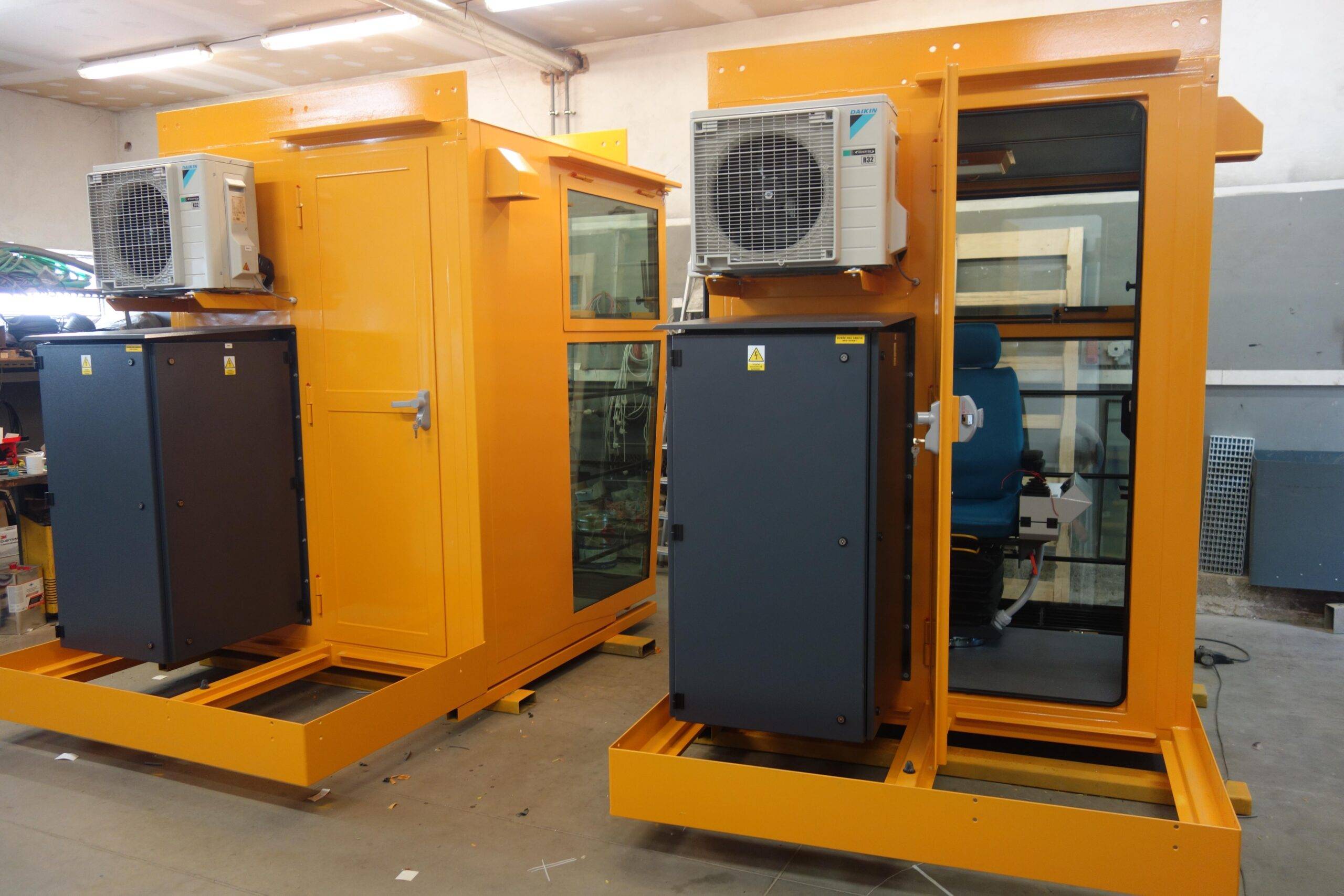
The cabin can be equipped with air conditioning, heating, LED floodlights, industrial camera systems, and a wide range of additional features tailored to the customer's specific requirements. This modular concept is suitable for both new crane installations and modernization projects where operator comfort, safety, flexibility, and the ability to accommodate future upgrades are required without the need to replace the entire cabin.