Crane End Carriages for Safe and Reliable Crane Travel
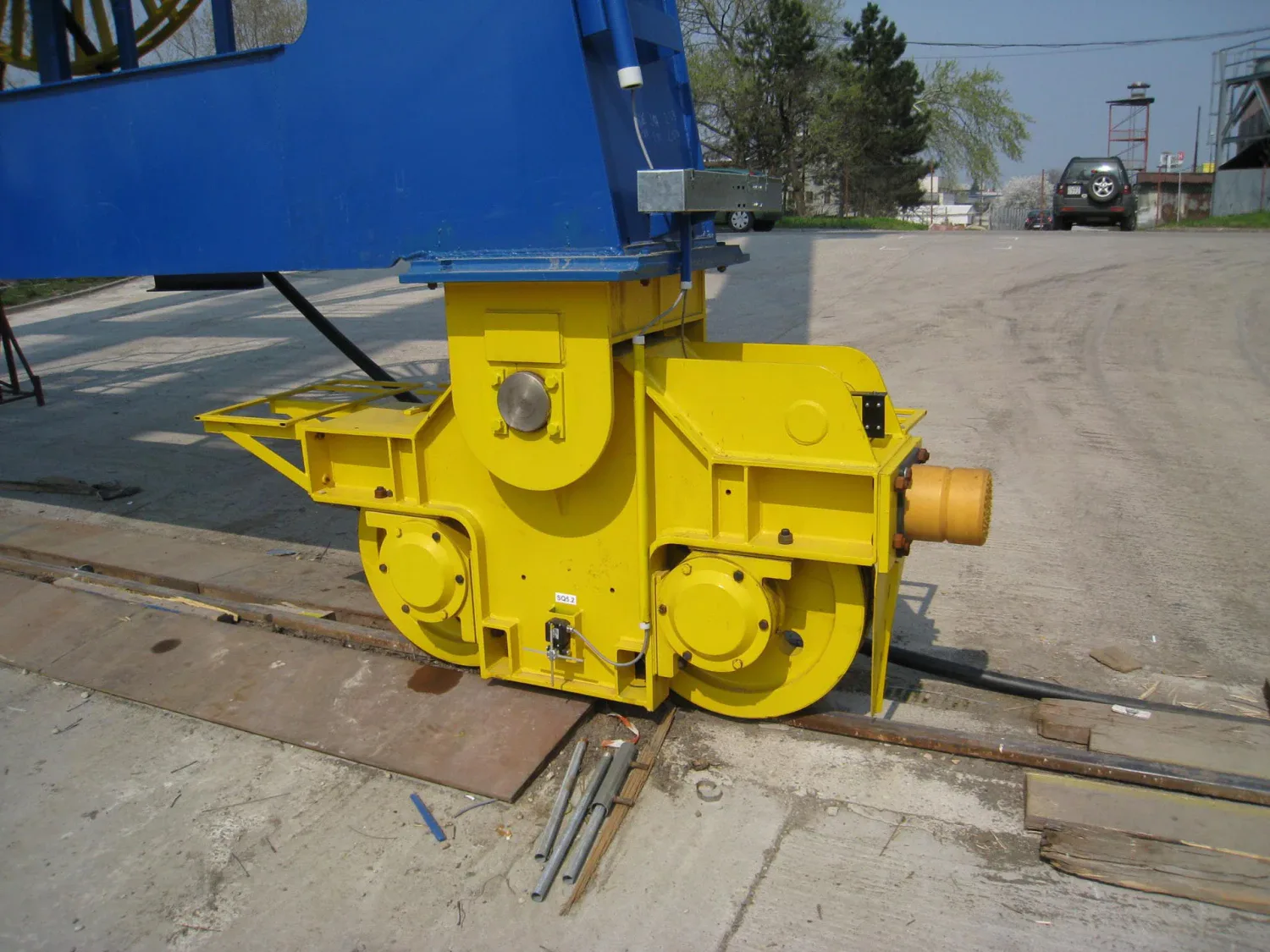
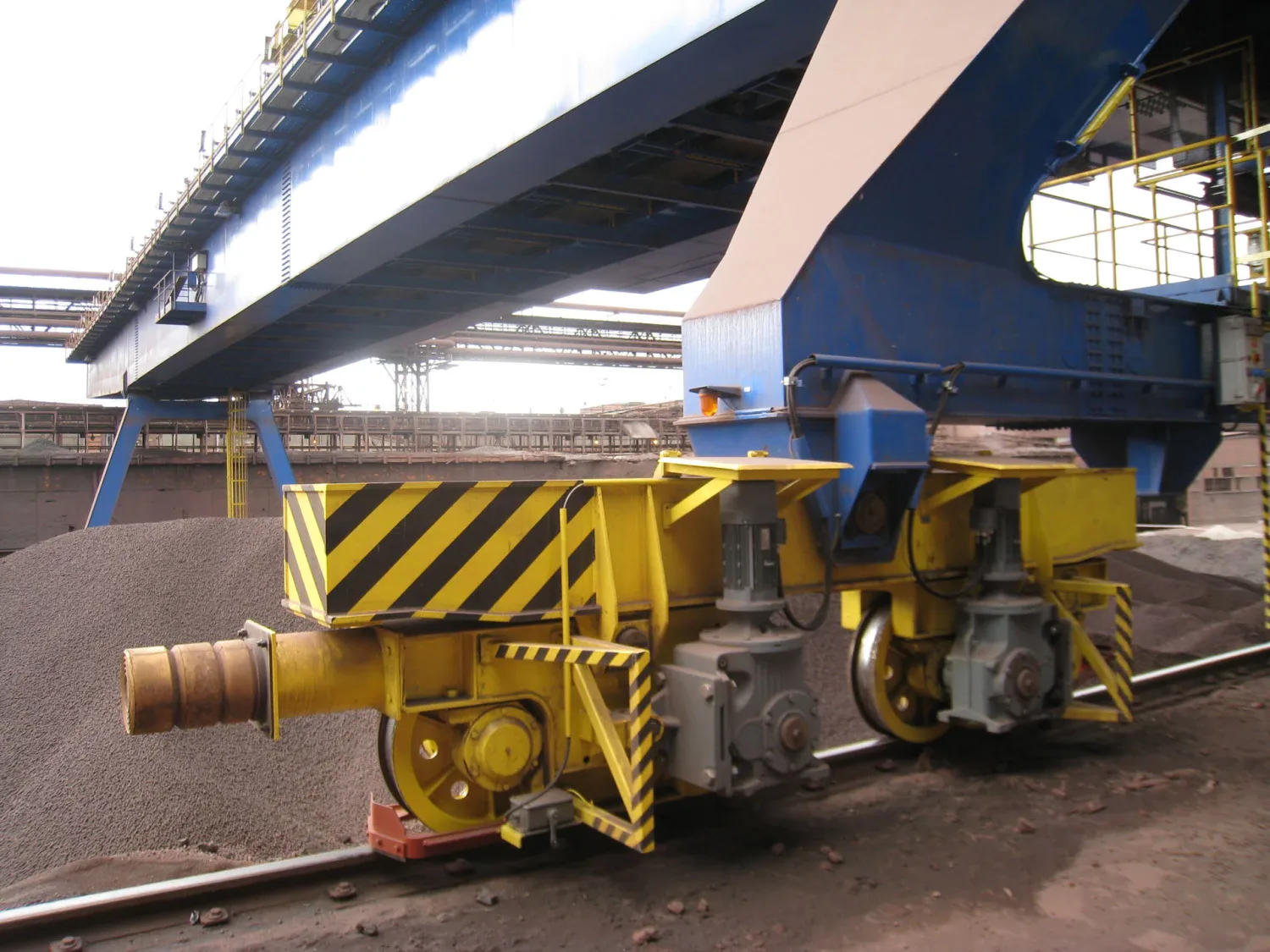
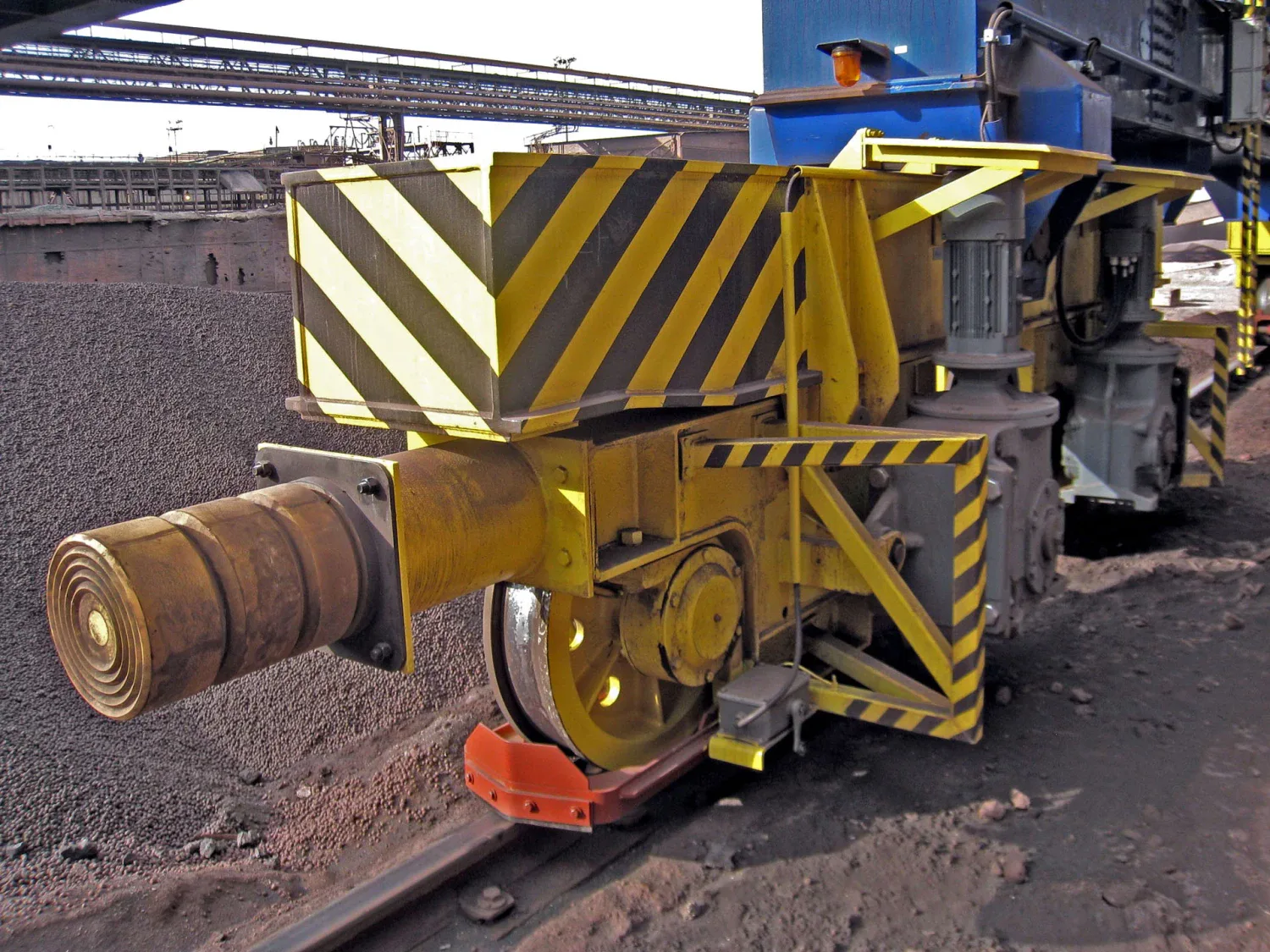
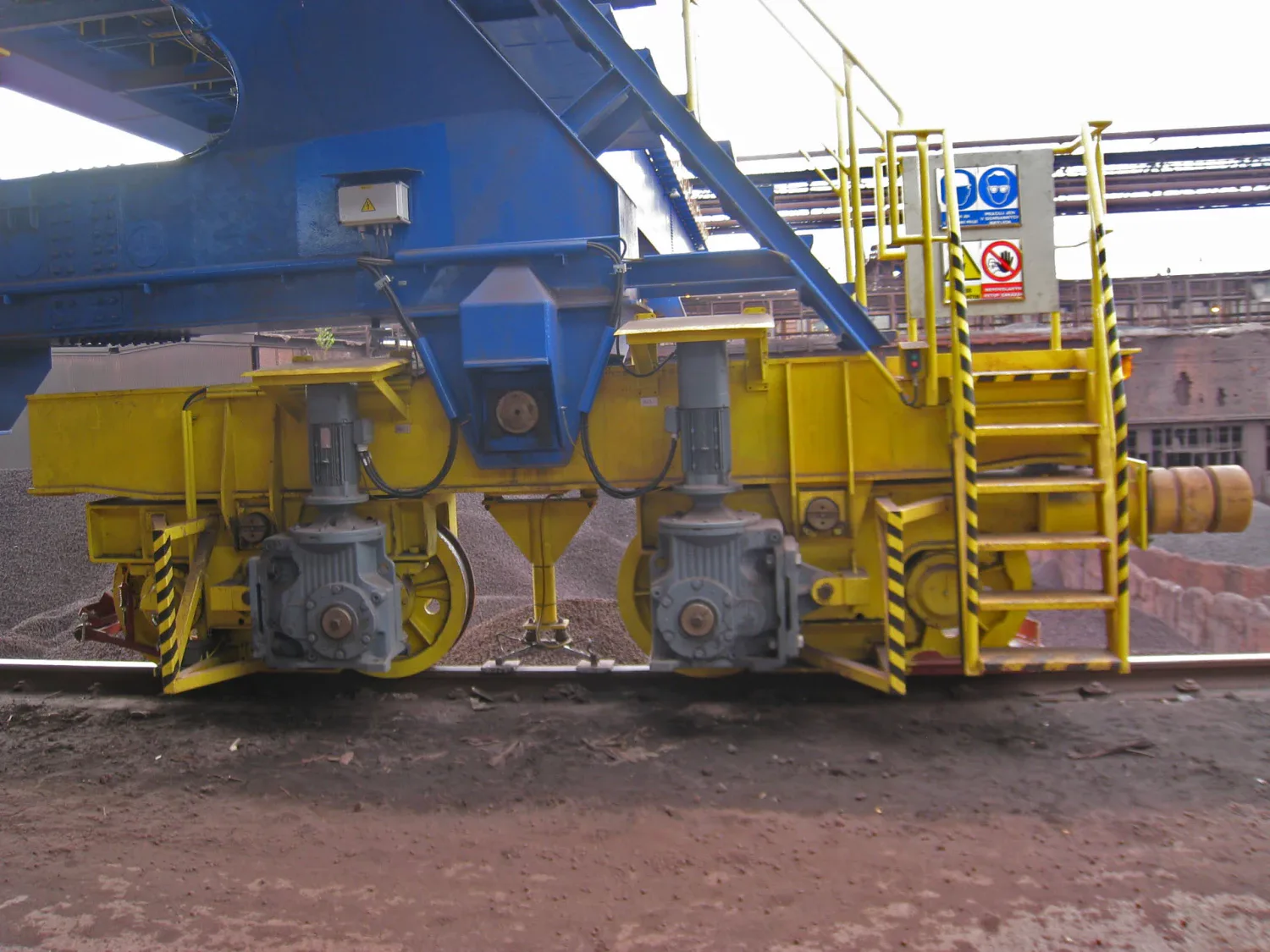
Crane end carriages are a key structural component that ensures the safe and reliable travel of overhead and gantry cranes. They consist of a steel frame incorporating crane wheels, bearings, and, depending on the design, drive units, gearboxes, and other associated components. Their primary function is to transfer crane loads to the crane runway rails while providing smooth, precise, and stable travel throughout the crane's entire operating range.
A properly engineered crane end carriage minimizes impact loads, vibration, operating noise, and excessive wear of both the crane wheels and the runway rails. If the end carriage is incorrectly sized, worn, or poorly matched to the runway system, it can result in irregular crane travel, increased structural loading, and more frequent maintenance requirements. For this reason, we design crane end carriages individually to suit the crane type, lifting capacity, span, operating duty, and the actual conditions of the building or outdoor installation.
Driven and Non-Driven Crane End Carriages
We supply crane end carriages both as components of new crane systems and as replacement units for the modernization, refurbishment, and repair of existing equipment. End carriages can be configured as either driven or non-driven, depending on whether they are required to provide the crane travel drive or simply guide the crane and transfer operational loads. For driven end carriages, proper integration of the motor, gearbox, wheels, and braking system is essential to ensure reliable and efficient operation. For non-driven end carriages, the primary focus is on precise wheel alignment, high-quality bearing assemblies, and accurate guidance of the crane wheels along the runway.
When designing crane end carriages, we also evaluate the runway configuration, rail profile, wheel diameter, tread width, wheel load, and the crane's operating duty. A crane used for occasional operation requires a different design approach than one operating in multi-shift production or demanding industrial environments. Future maintenance is also an important consideration, including easy access to bearings, wear inspection, and straightforward replacement of heavily loaded components.
Refurbishment and Replacement of Crane End Carriages
For older cranes, the replacement of crane end carriages is often carried out as part of a broader repair or modernization project. In such cases, we assess not only the condition of the end carriage itself but also the crane wheels, braking system, runway rails, runway geometry, and the supporting structure. Replacing only a single damaged component without addressing the underlying cause of the wear may result in the same issue recurring over time. A comprehensive technical assessment helps determine whether a straightforward replacement is sufficient or whether the entire travel assembly should be upgraded or redesigned.
High-quality crane end carriages contribute to a longer service life, lower maintenance costs, and safer crane operation. They ensure smooth acceleration, stable travel, more accurate load positioning, and reduced stress on related crane components. Whether you are dealing with excessive travel noise, vibration, wheel wear, the refurbishment of an older crane, or the design of a new crane system, we will provide crane end carriages engineered to meet your specific operational requirements.
Designed to Meet Your Operating Requirements
Our services can include technical assessment, engineering design, manufacturing, the supply of replacement parts, modification of existing assemblies, and integration with the specific crane installation. The objective is to deliver a crane end carriage that is safe, precisely engineered, easy to maintain, and capable of providing reliable long-term performance under everyday operating conditions.
For every project, we also consider the operating environment, including temperature, dust levels, humidity, the frequency of starts and stops, and the way the crane is used by operators. These factors directly influence the selection of wheel materials, bearings, seals, drive components, and other critical parts. A properly designed crane end carriage must not only withstand the maximum design load but also perform reliably under repeated operating cycles, impact loads, and long-term mechanical stress while minimizing the risk of unnecessary failures.
Future maintenance is another important design consideration. We engineer crane end carriages to provide easy access for inspecting wheels, bearings, and mechanical connections, allowing routine maintenance to be planned efficiently and worn components to be replaced quickly when required. This approach helps minimize downtime, reduce the risk of unexpected failures, and ensure the crane remains safe, reliable, and fully operational throughout its service life.
For both gantry cranes and overhead cranes, we take the specific operating conditions into account during the design process. Outdoor applications often require enhanced protection against moisture, dirt, and fluctuating temperatures, while indoor installations typically place greater emphasis on quiet operation, precise positioning, and low maintenance requirements. Based on these conditions, we select the most appropriate structural design, protective surface treatment, and associated components to ensure reliable long-term performance.
When modernizing a crane, it is important to compare the original technical design with the current operating requirements. If the production process, load weights, or frequency of operation have changed, the existing crane end carriage may no longer be suitable for today's operating conditions. In such cases, it may be appropriate to specify a more robust design, upgrade the travel drive, or optimize the end carriage to match the current condition and geometry of the crane runway.