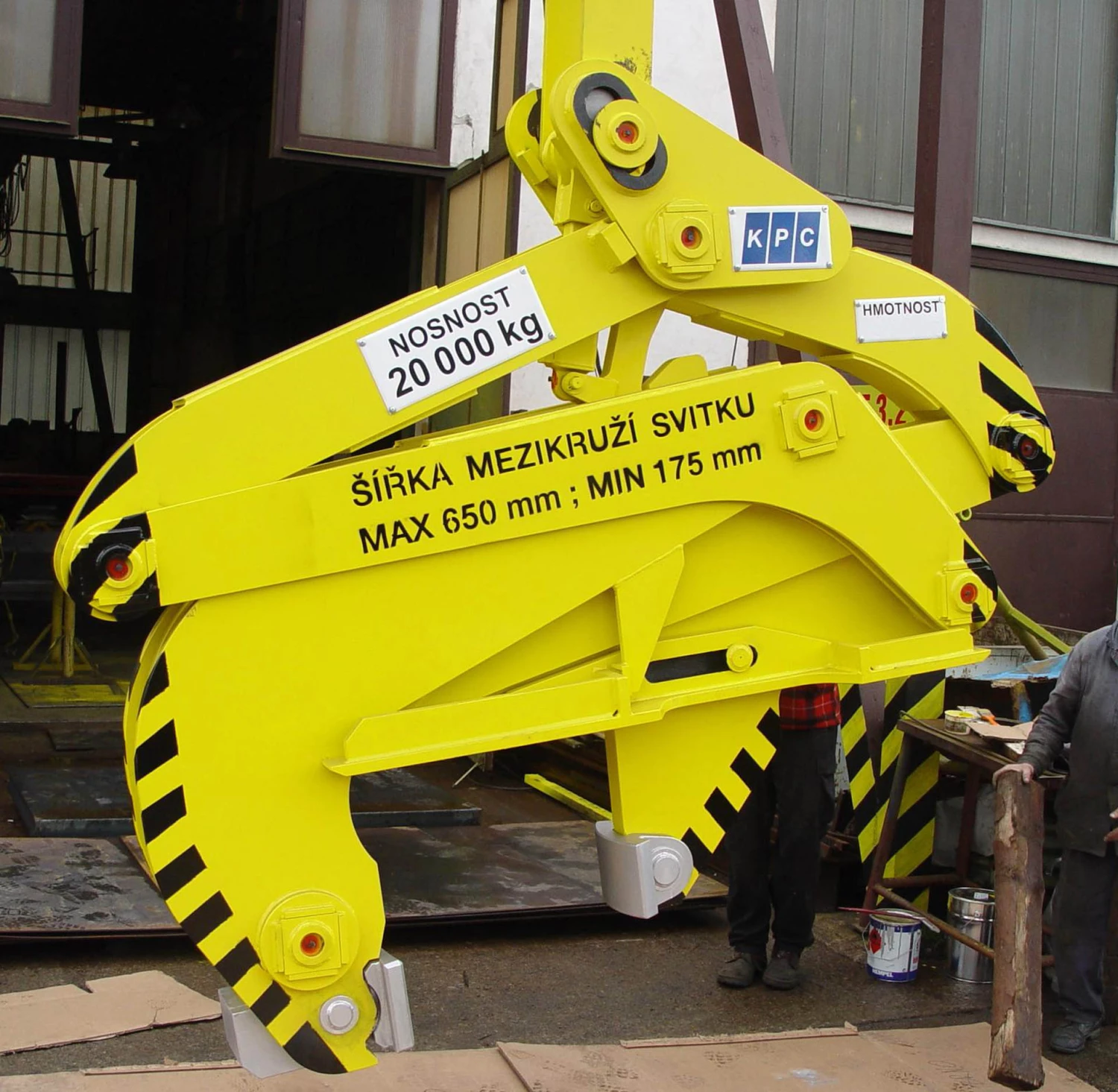
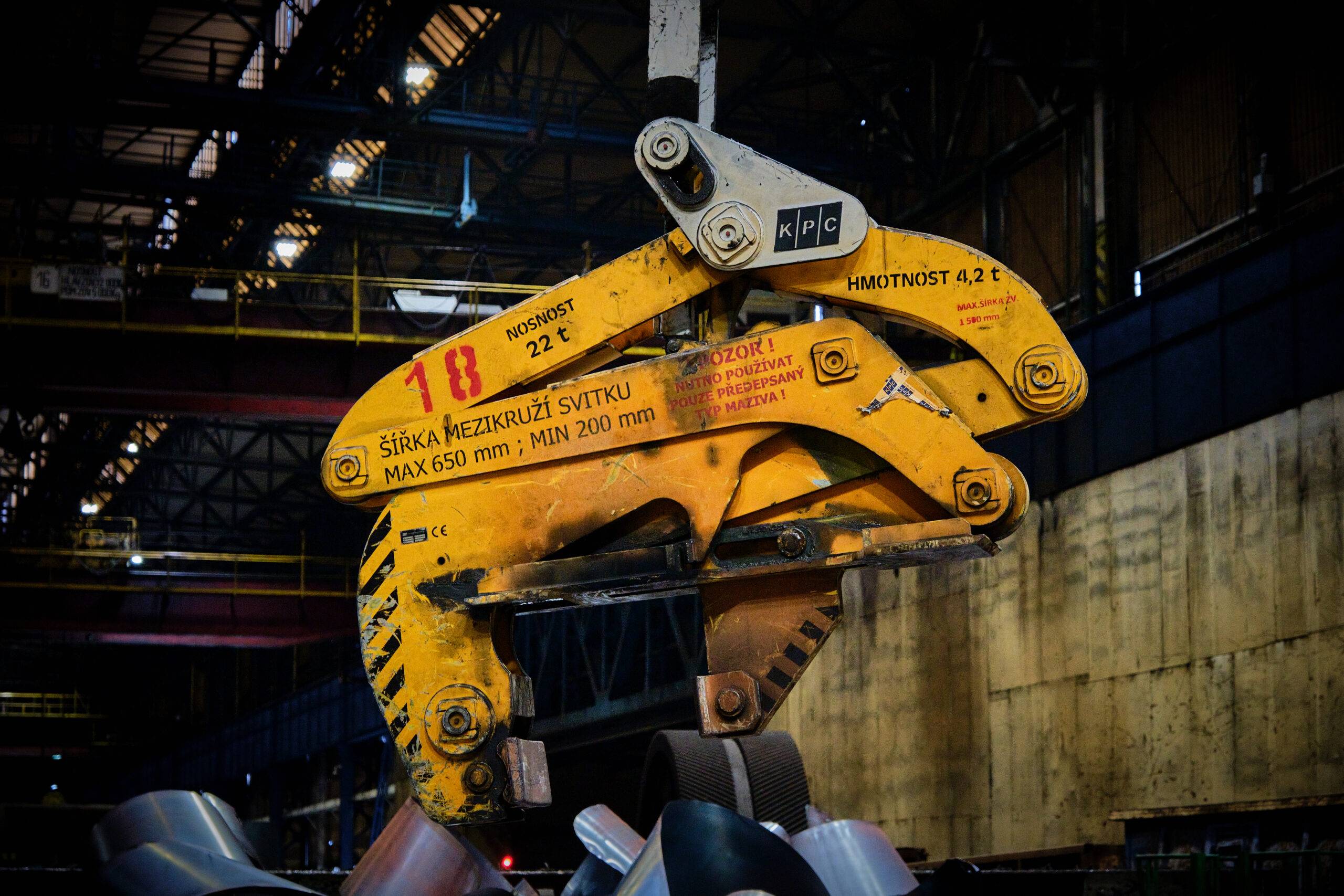
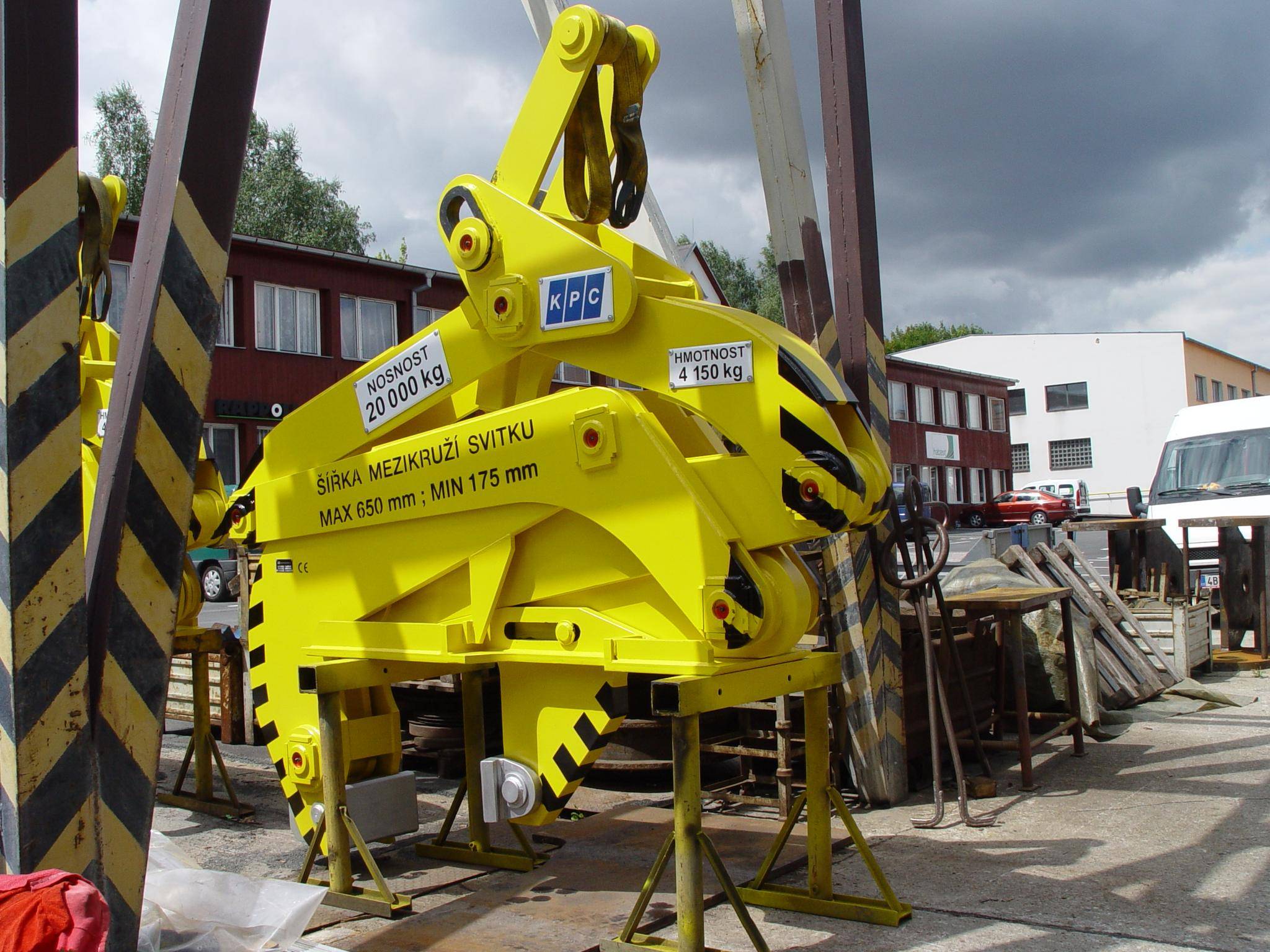
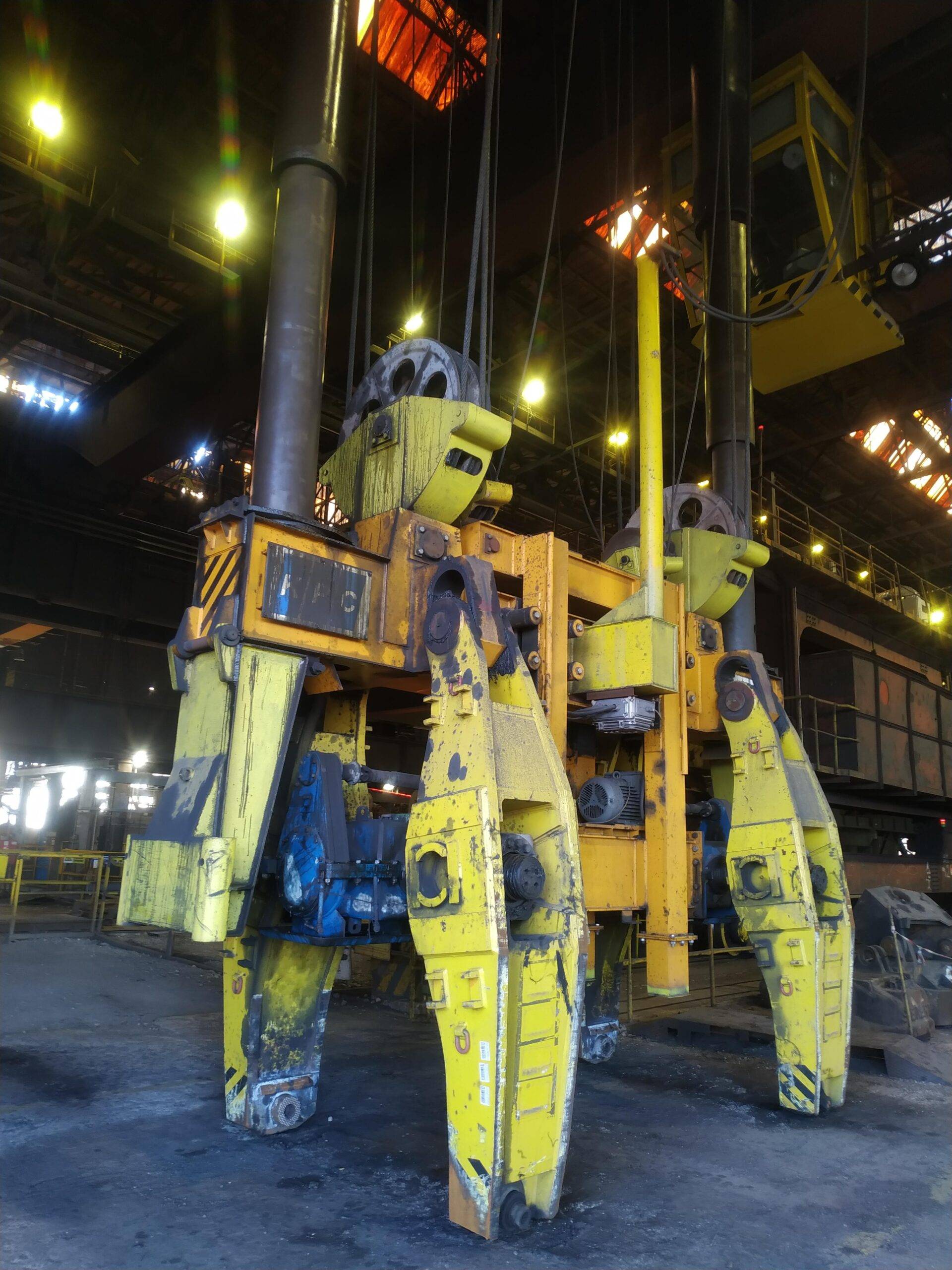
Single coil mechanical pliers are robust grippers for safe and efficient handling of a single coil with the axis in a vertical position.
The clamp is secured purely mechanically by the weight of the coil, so no external power supply is needed. The clamps are used for handling and transporting steel and aluminium coils in production lines, when loading and unloading cars, rail wagons or ships and for optimising warehouse management.
The main advantages are automatic gripping and positioning, high safety, low operating costs, the ability to handle very high temperature coils, abrasion-resistant seating plates and an optimised jaw shape to minimise coil damage.
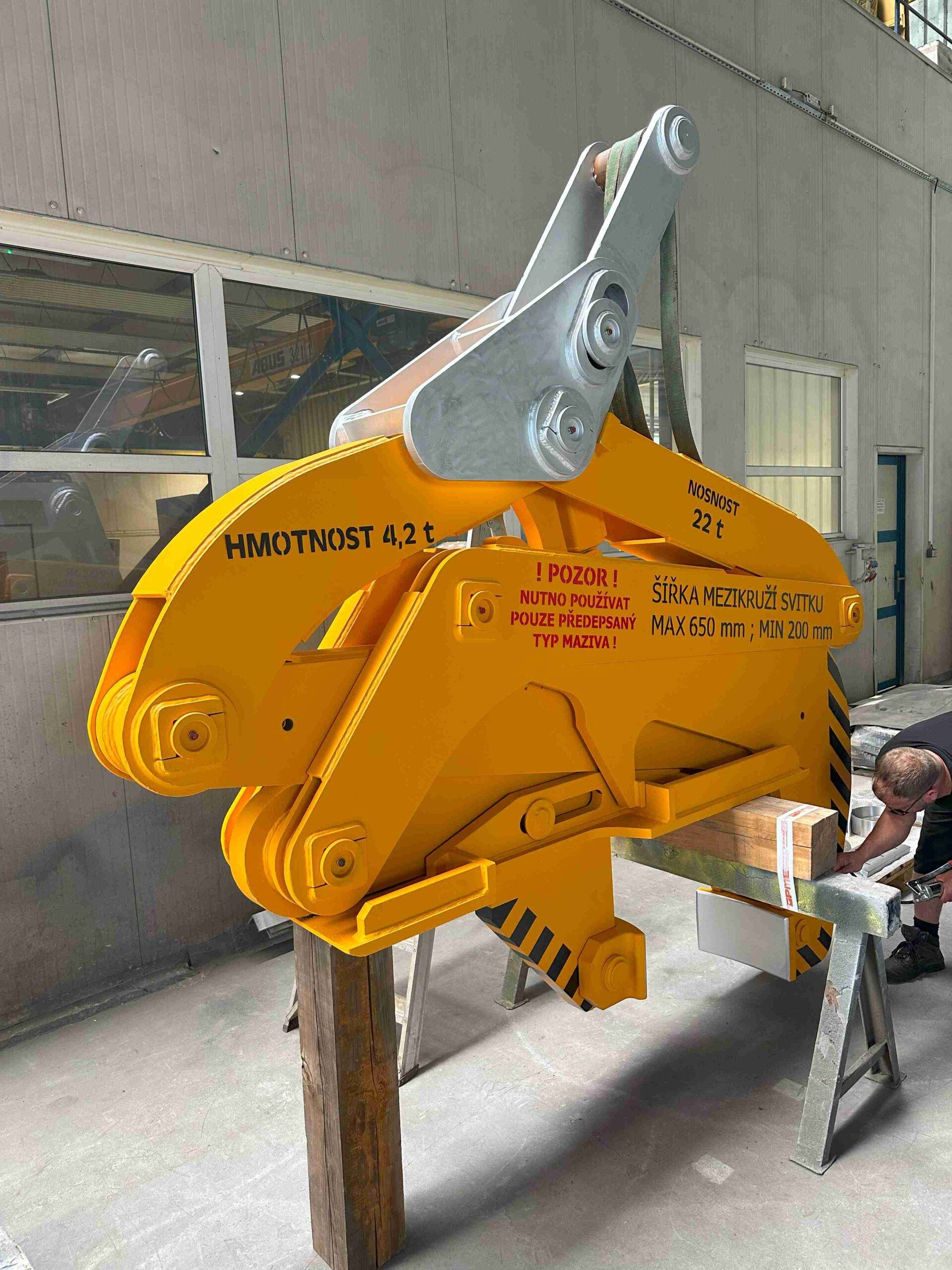
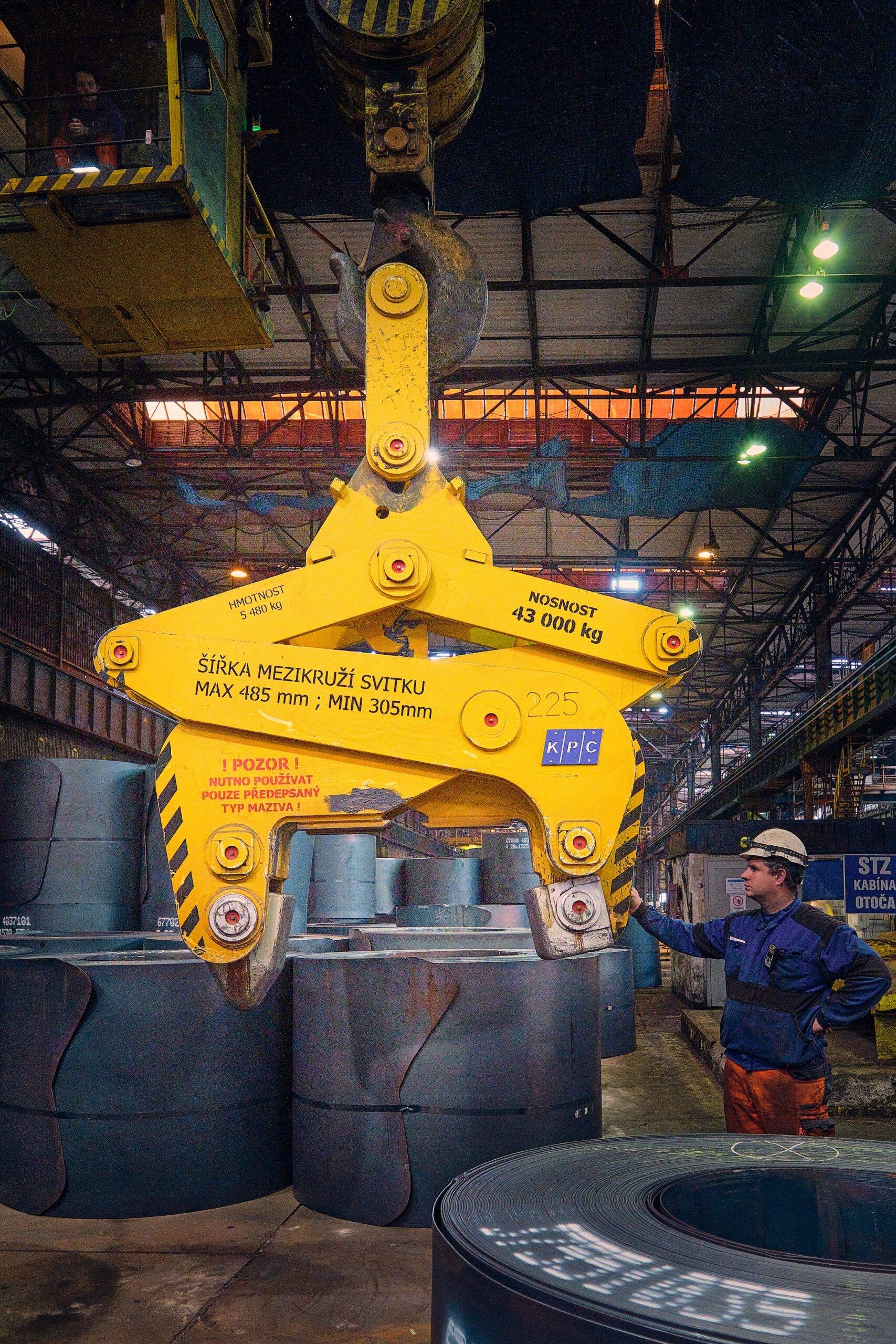
The two-roll mechanical pliers are designed for simultaneous manipulation of two rolls with axes in vertical position. The clamping of the coils is provided by a purely mechanical principle using their own weight, so that no external power source is required.
They are typically used for the handling and transport of steel and aluminium coils in production lines, for loading and unloading cars, rail wagons or ships and for optimising warehouse management.
The main benefits are automatic gripping and positioning, high safety, low operating costs, the ability to handle high-temperature coils, increased handling capacity and a jaw shape that reduces coil damage.
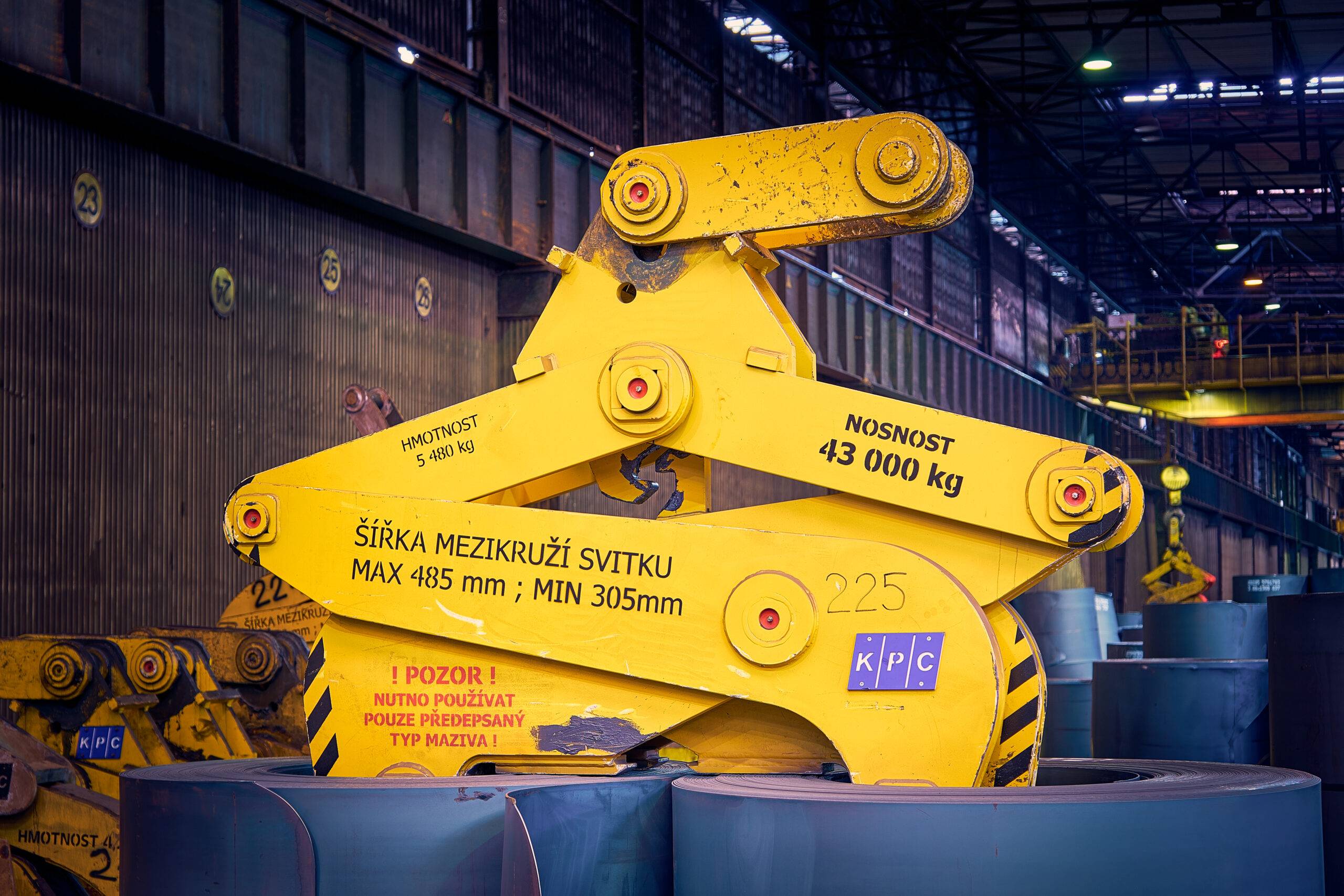
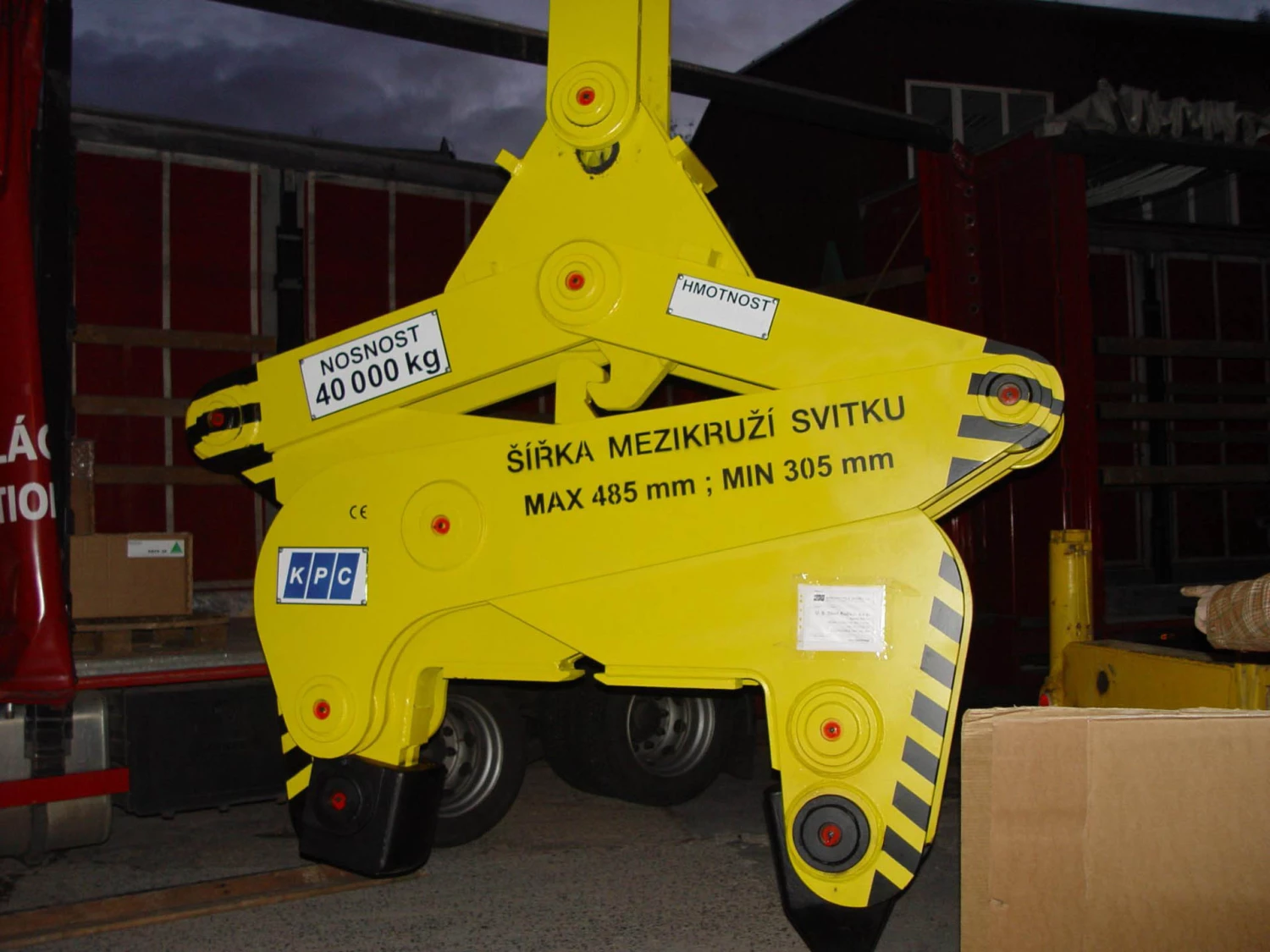
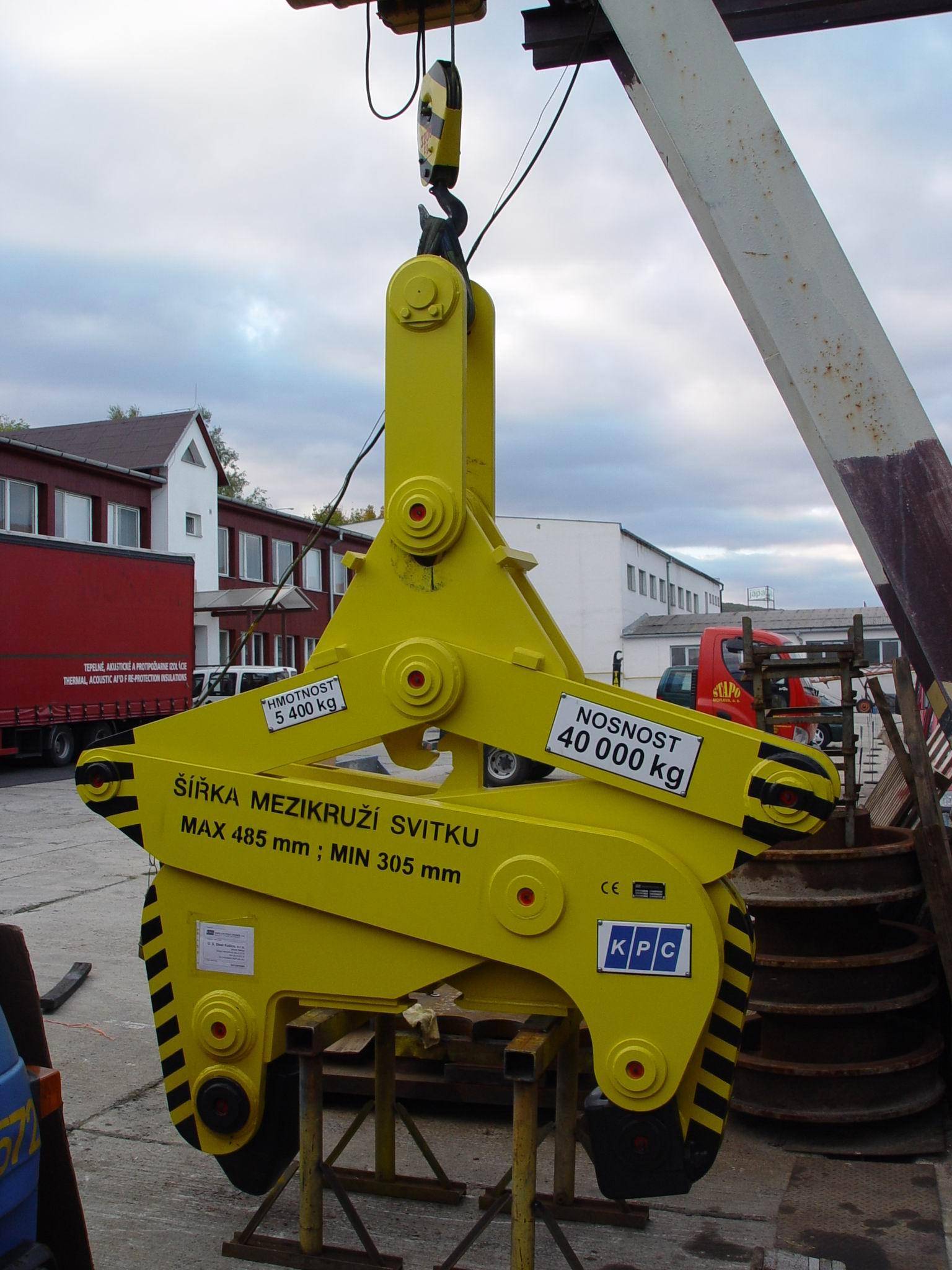
Telescopic tongs are hanging devices for handling horizontally stacked coils. They grip the roll from the face - the telescopic arms are mechanically inserted into the cavity of the roll and their movement automatically stops when the set grip is reached. Handling is fast, safe and minimizes damage to the outer layer of material.
Typical applications are warehouses and shipping halls for sheet metal coils, loading and unloading trucks and wagons in confined spaces or handling coils with sensitive surfaces. The design is sized for heavy coils, adapts to different widths and ensures both lifting stability and durability thanks to its robust design.
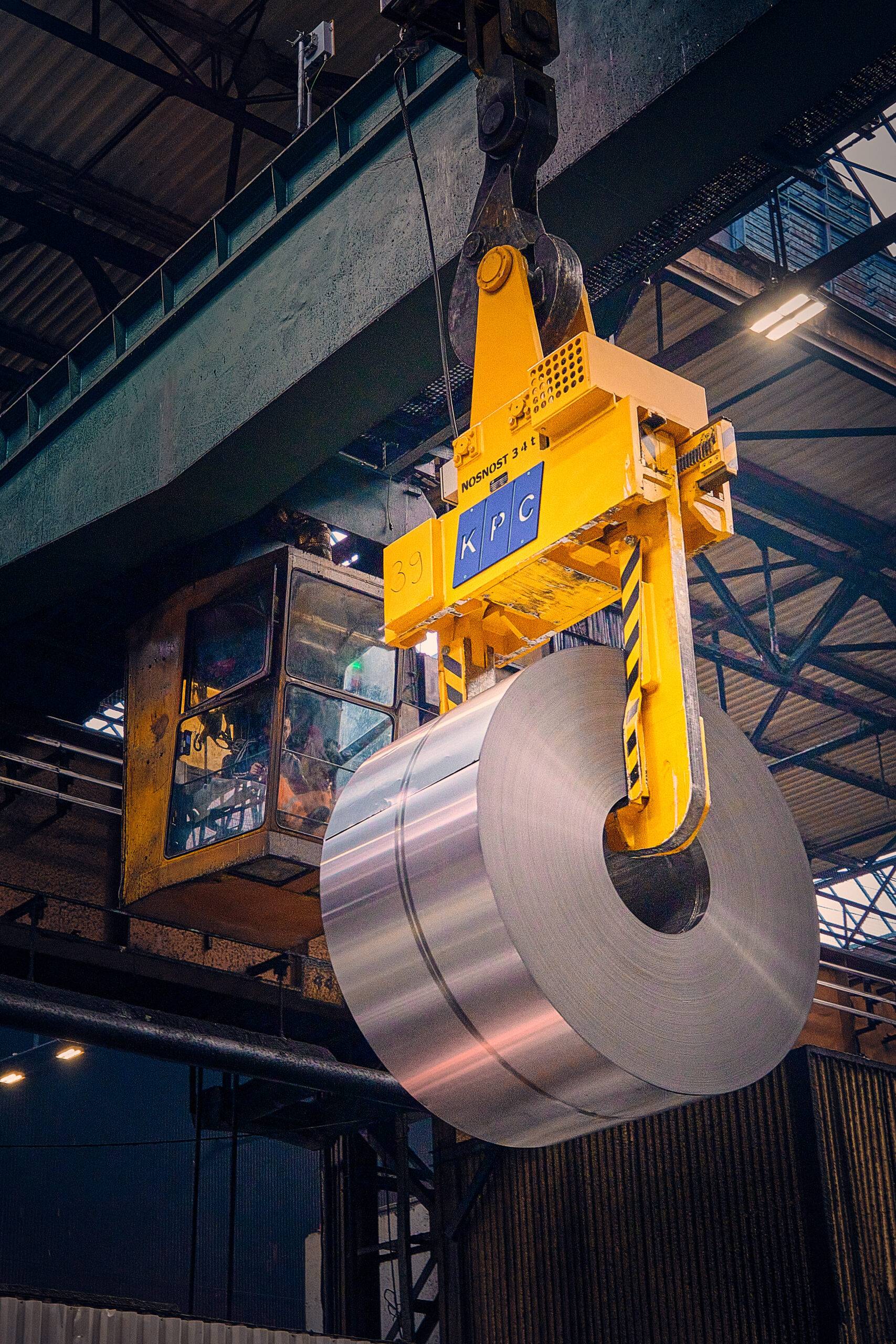
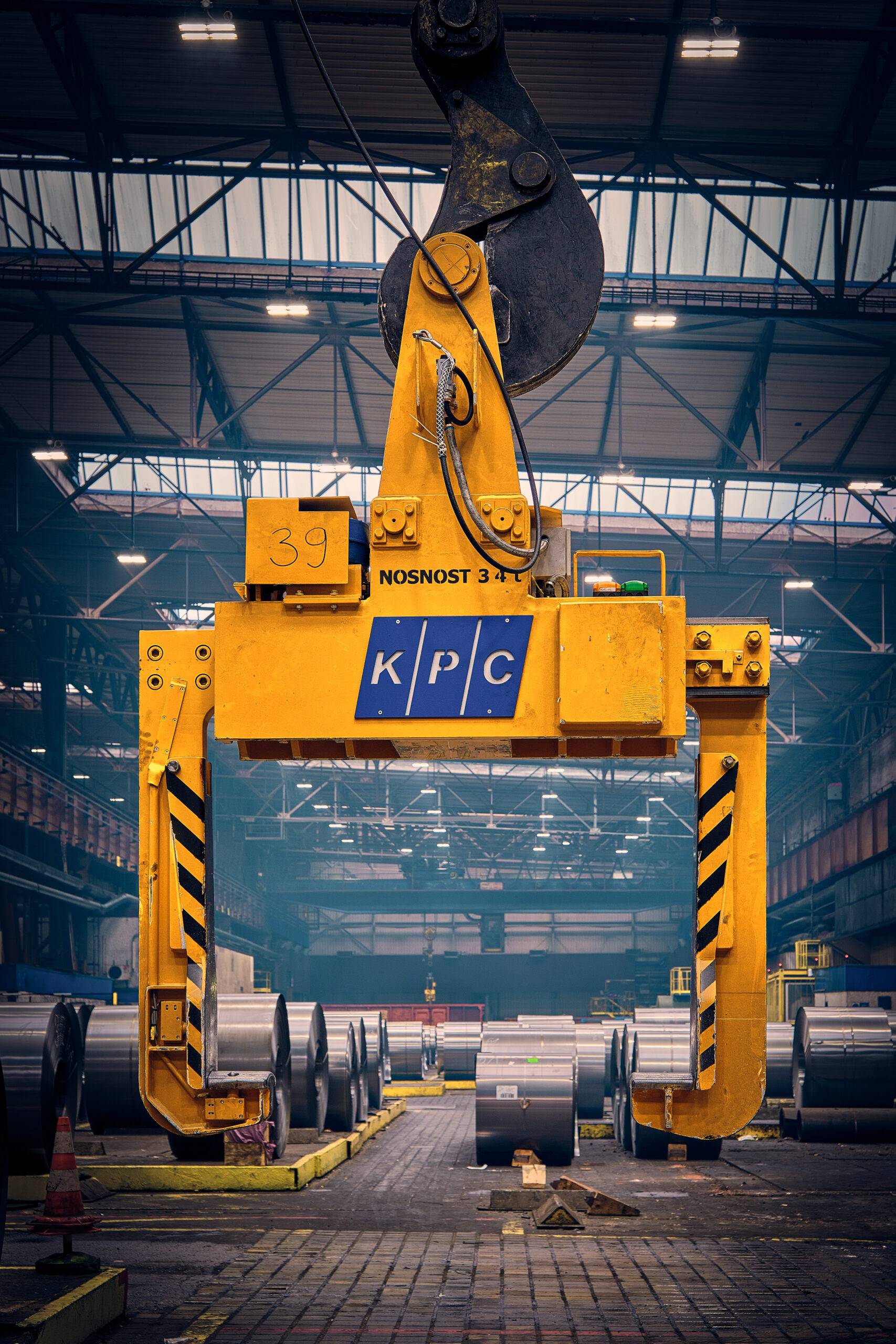
Mechanical clamp traverses are designed for handling heavy and bulky gates made of steel, aluminium or other metals. They allow the gate to be gripped from the side without the use of tie-downs, which significantly reduces handling time and limits personnel movement in the danger zone.
The traverse is equipped with two pairs of robust clamps that automatically clamp when lowered and then lifted, distributing the forces evenly over the load, reducing the risk of surface damage.
Typical applications are metallurgical and steel works, heavy engineering and loading or unloading of slabs from wagons and transport trolleys. The construction of high-strength materials is rated for very heavy gates and ensures a long service life even in harsh environments.
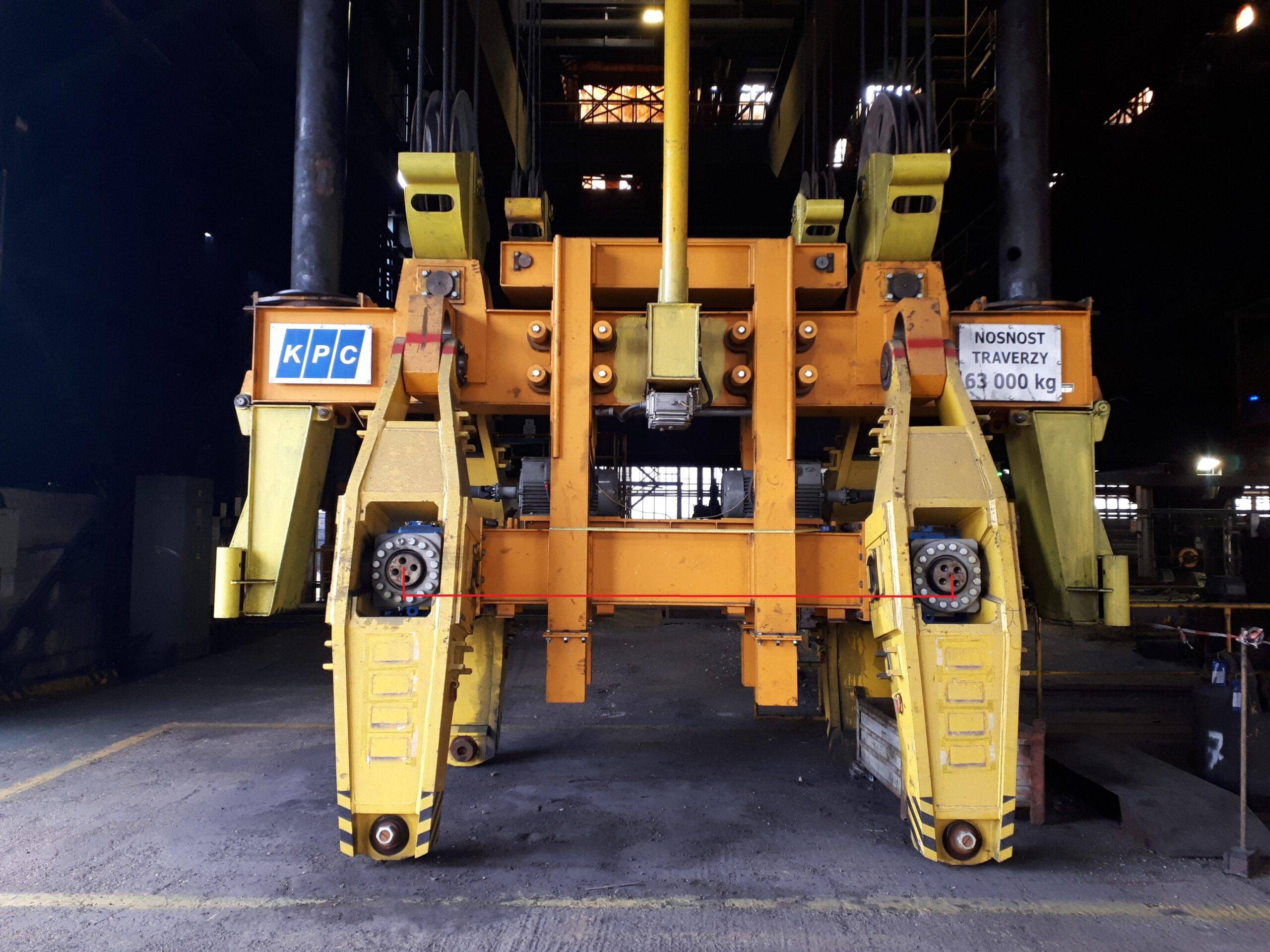
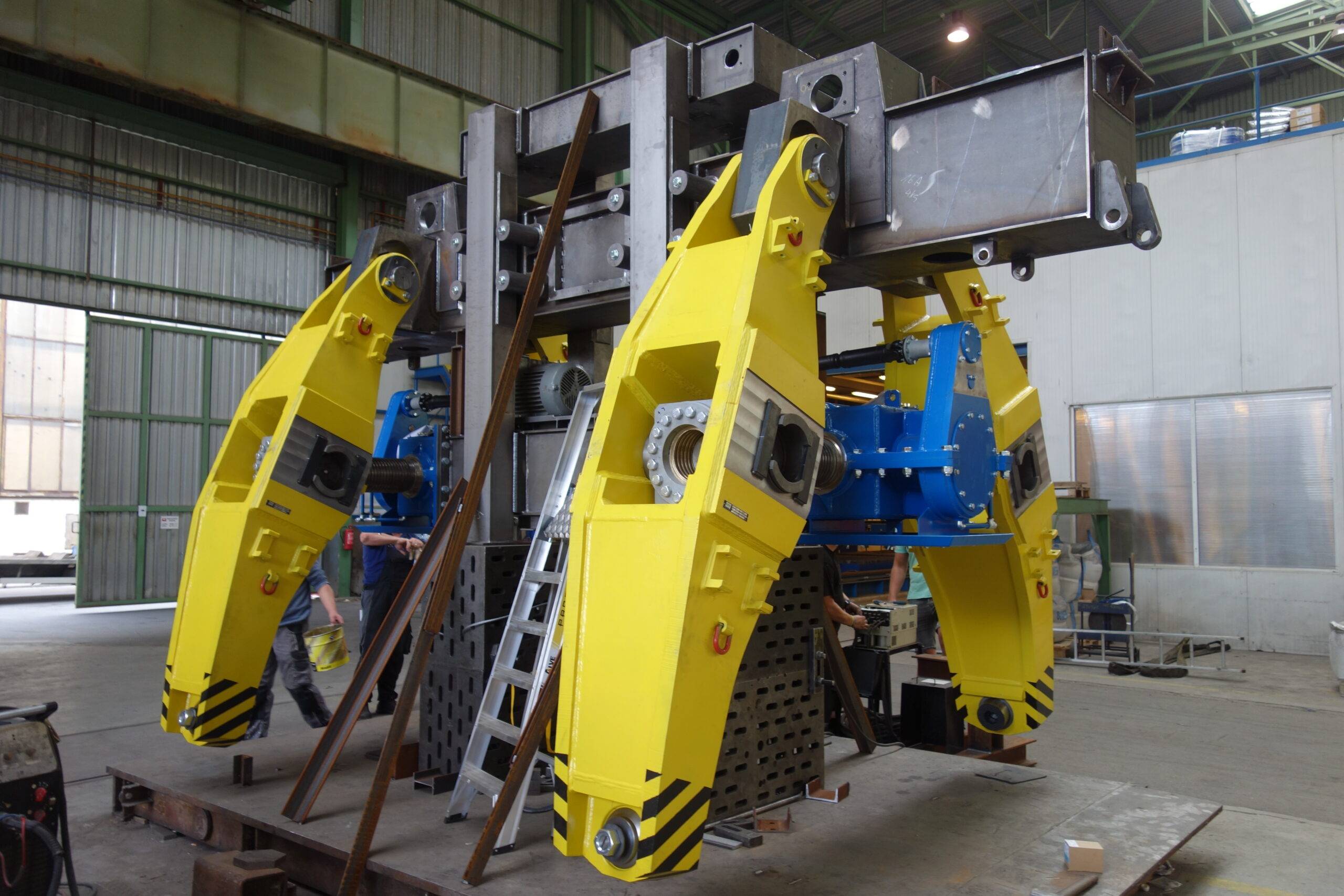
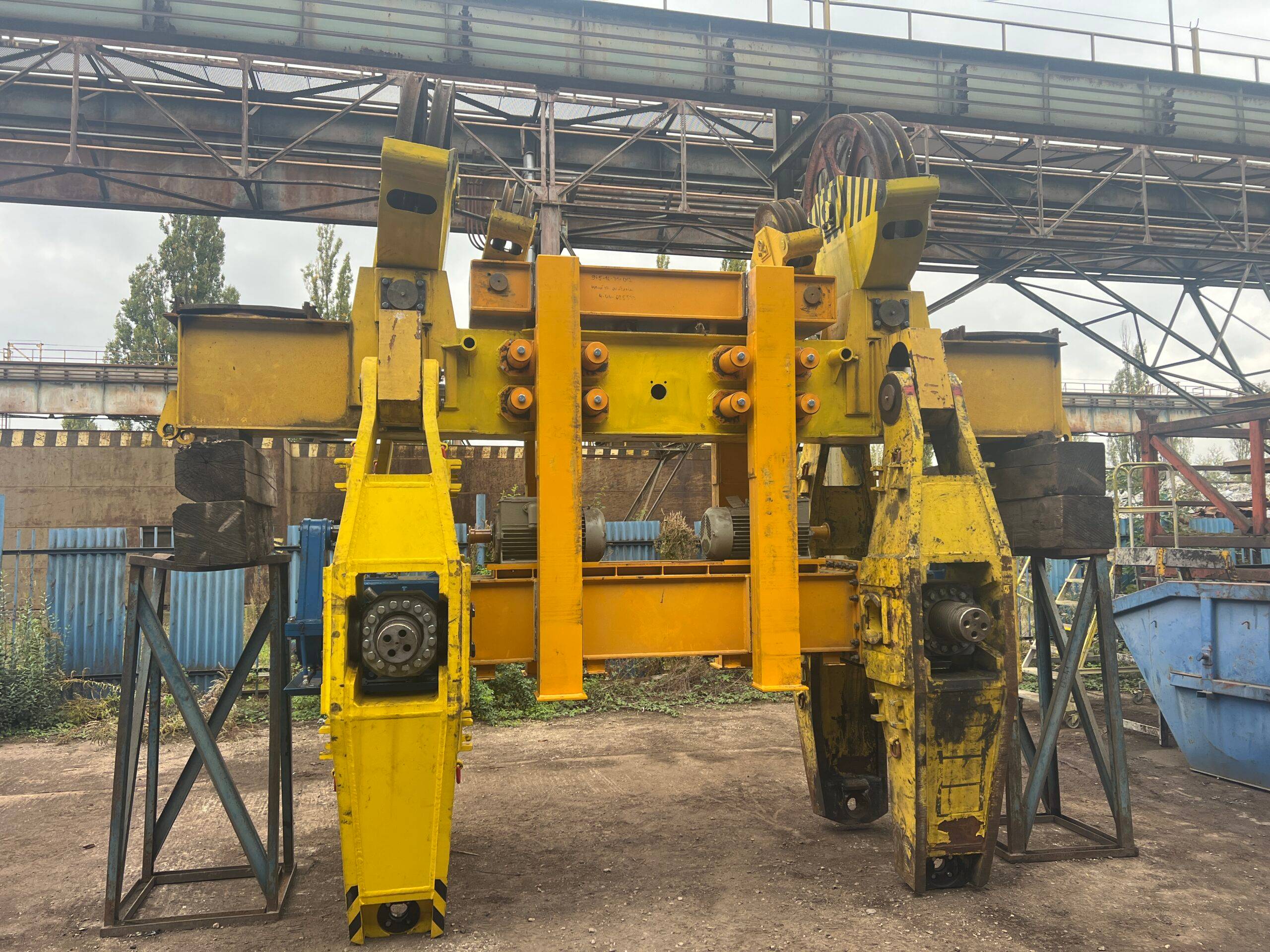
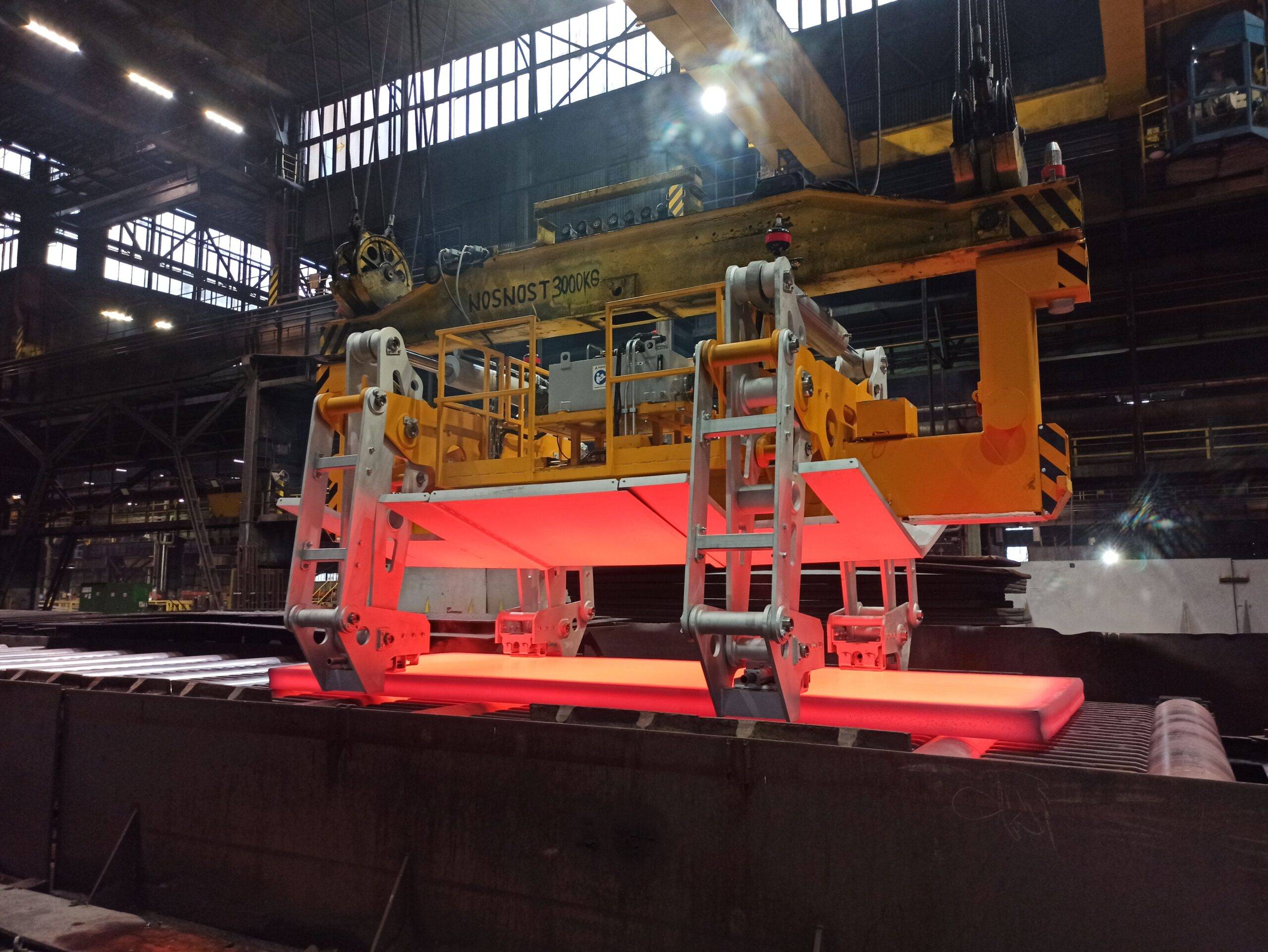
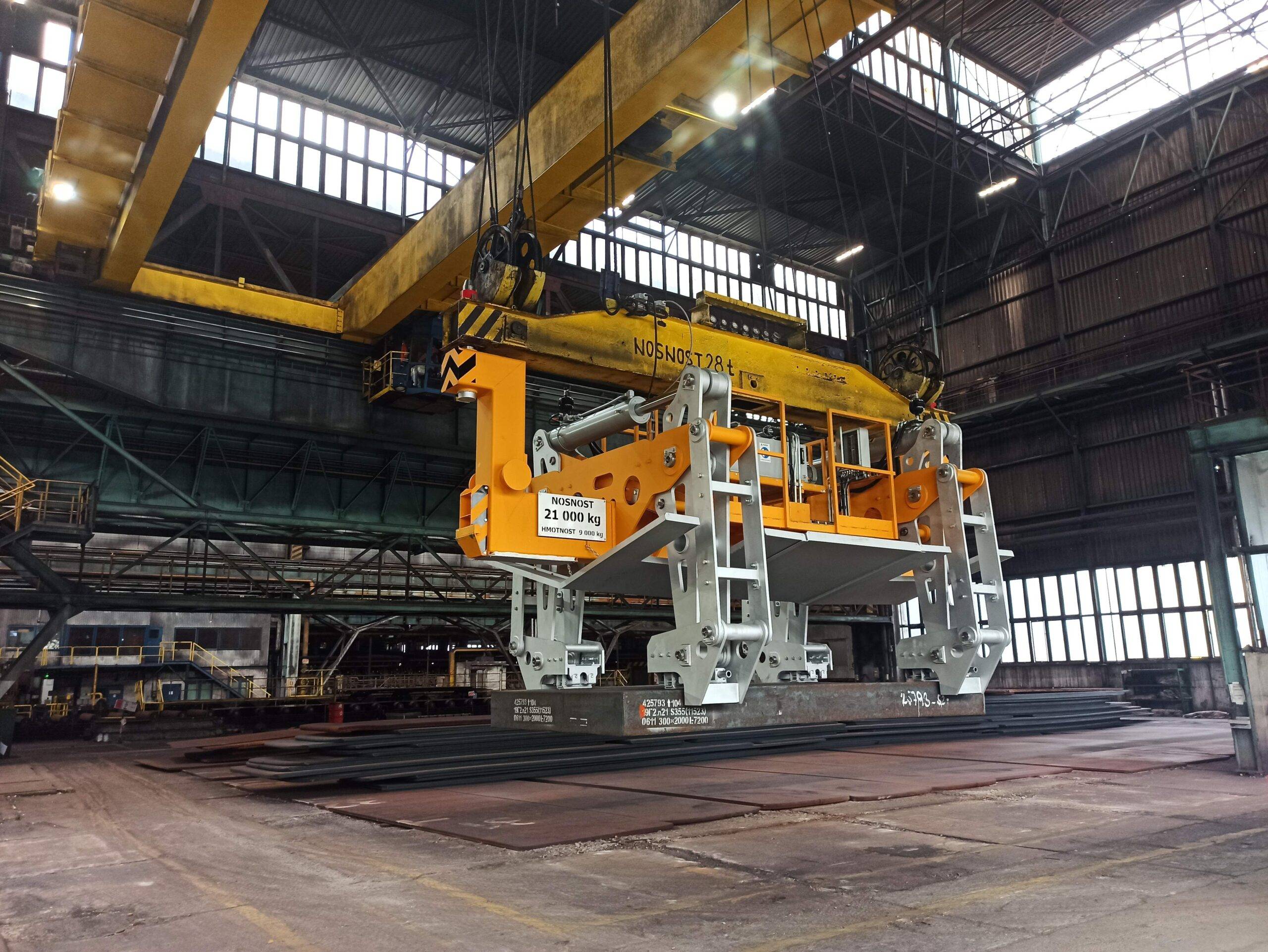
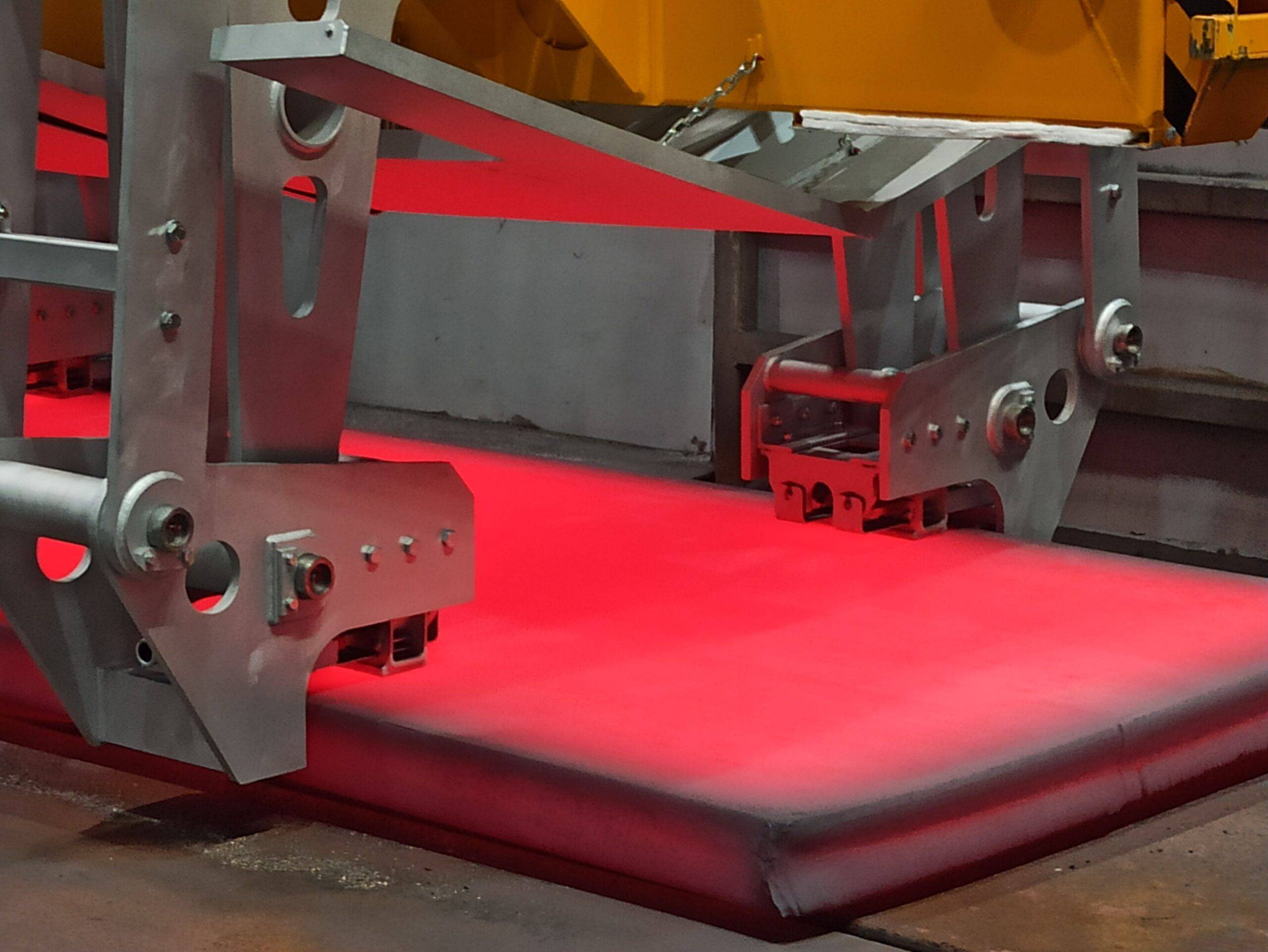
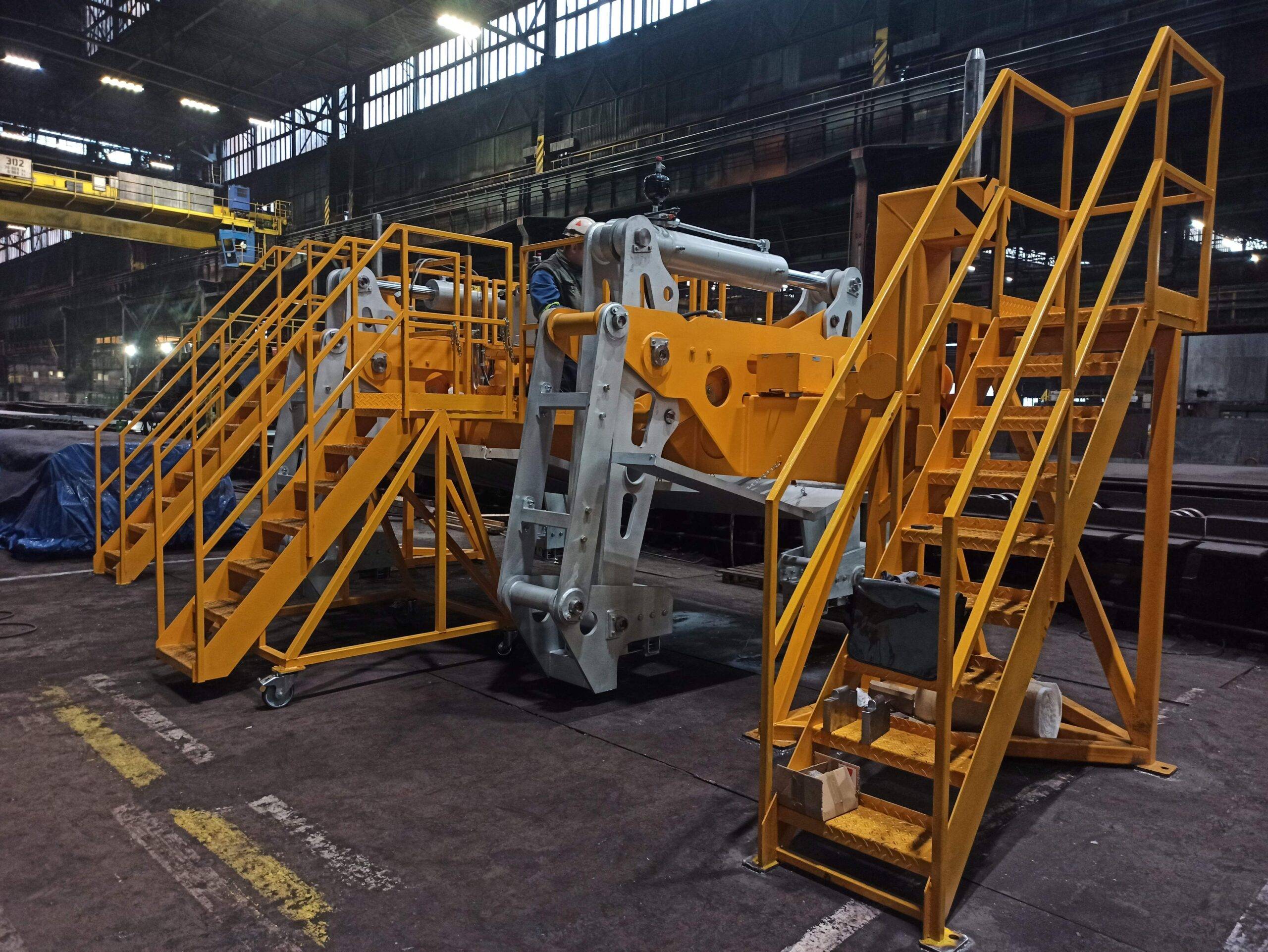
The hydraulically driven clamp traverses are designed to handle hot and cold slabs and sheets in a wide range of sizes. The hydraulically operated jaws ensure a constant clamping force and enable precise, safe gripping and load removal even under difficult operating conditions.
The traverses are suitable for operations with high handling intensity and a requirement for repeatability - they can be operated from the crane operator's cab or by remote control. The robust design is engineered for metallurgical environments, complete with jaw position sensors, clamp control and emergency load release safety.
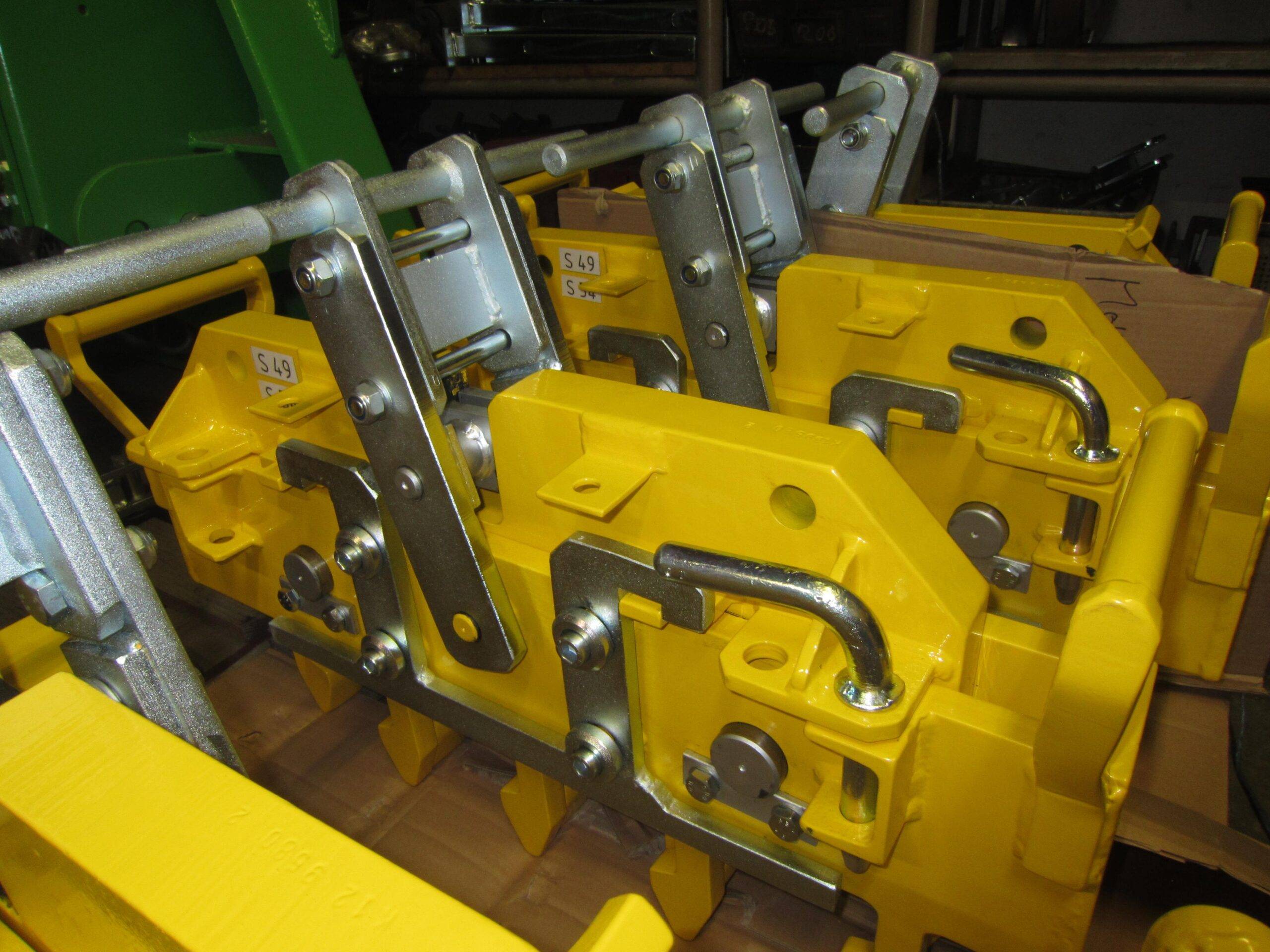
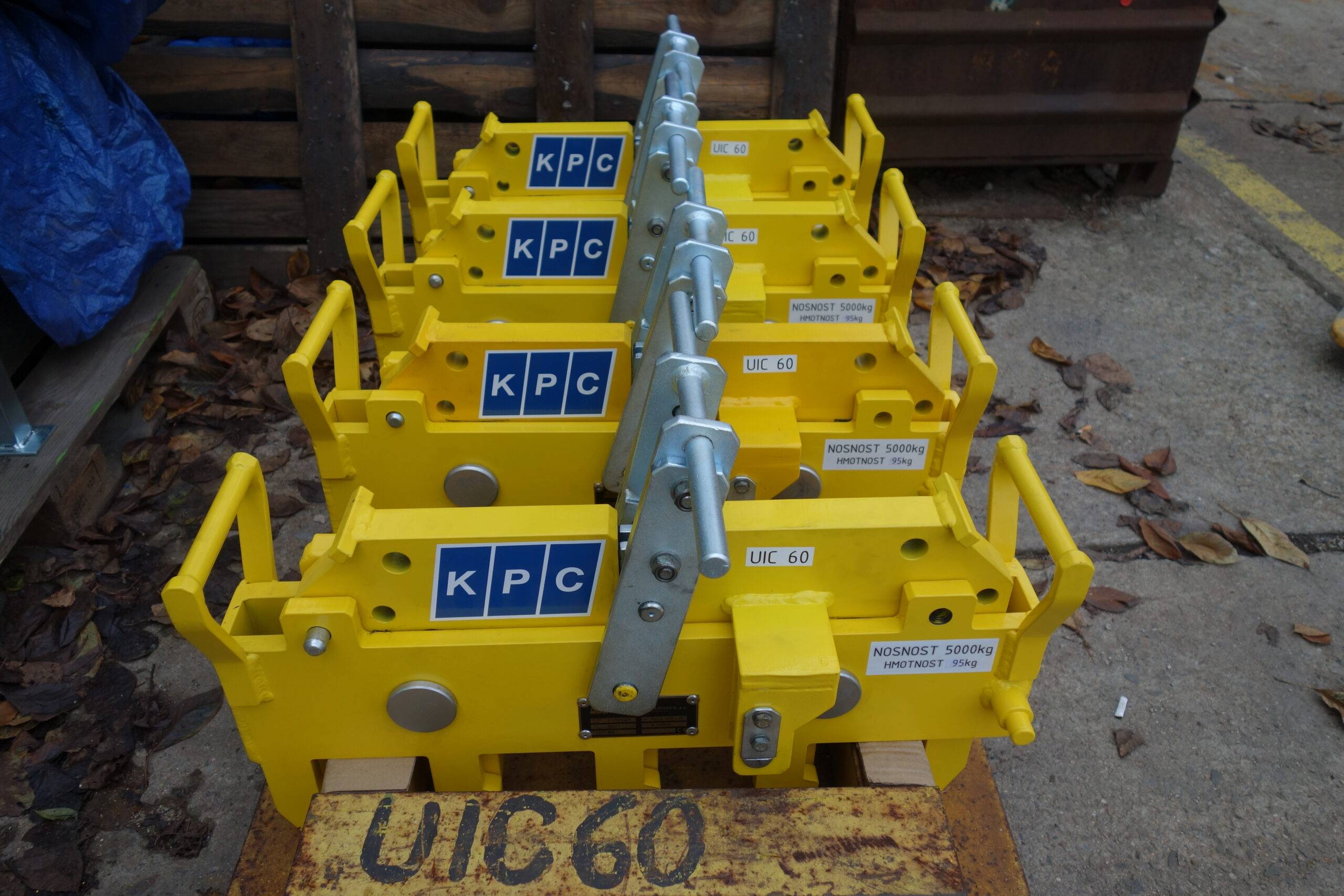
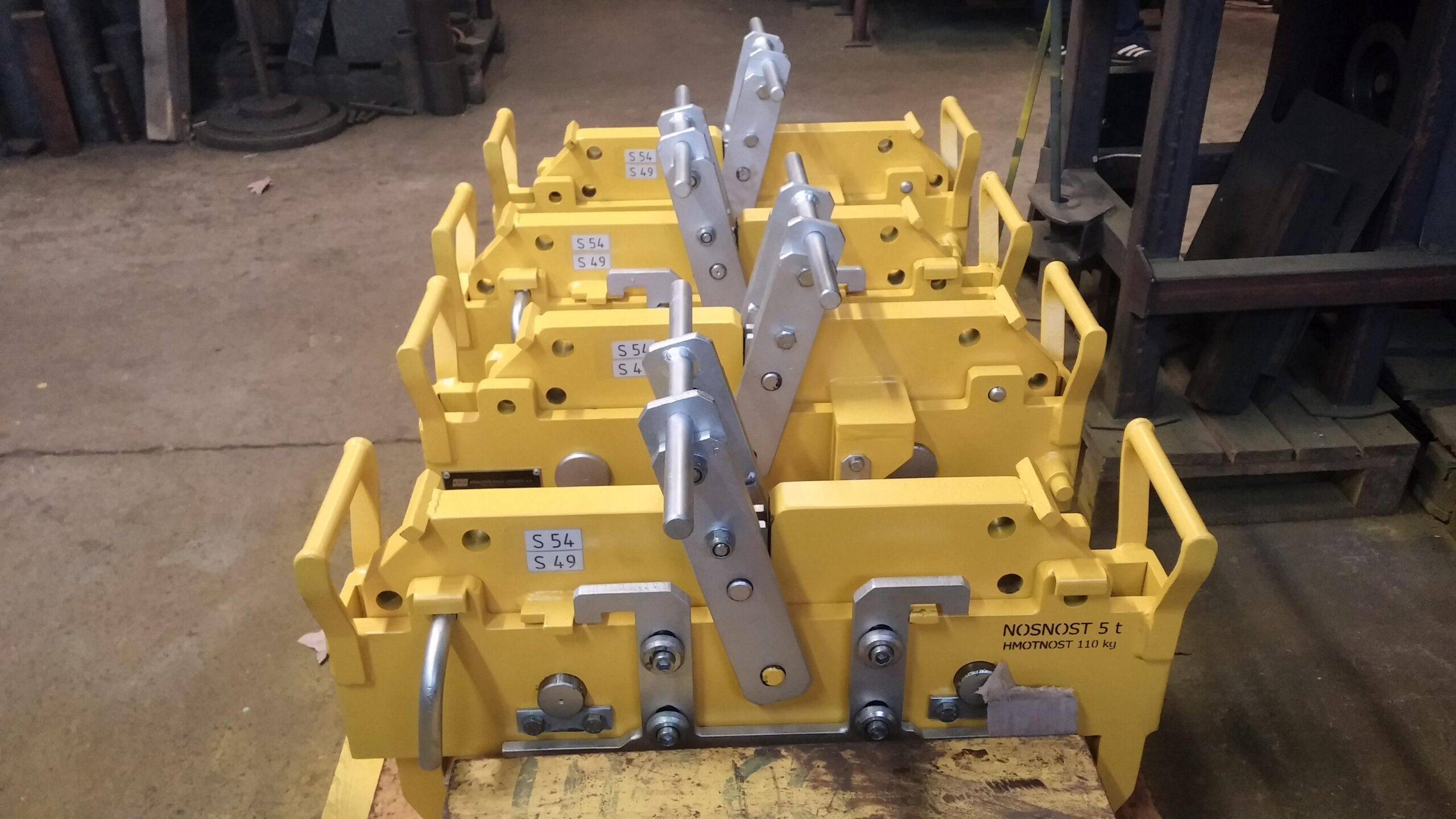
Pliers at rails are Removable gripping resource Designated For manipulation s by rail Profiles via of the crane. Construction is Founded at system Shape combs s By right-handers a by left-handed protrusions, which with towards wearing scroll a enabled by retract between heads rails a Their Followed by propping At Stroke. Railways are At manipulation Retrieved from always v position „heels u myself.“, Taking pliers enabled by Current manipulation with by four Pieces rails.
Pliers are hung at traverse Crane via Chainsaw vase a Their maximum carrying capacity is 5 000 kg. Construction made possible by simple operated by one by a is Designed by For manipulation s by rail to to lengths 75 m At conservation Their Horizontal positions.